
Table of Contents
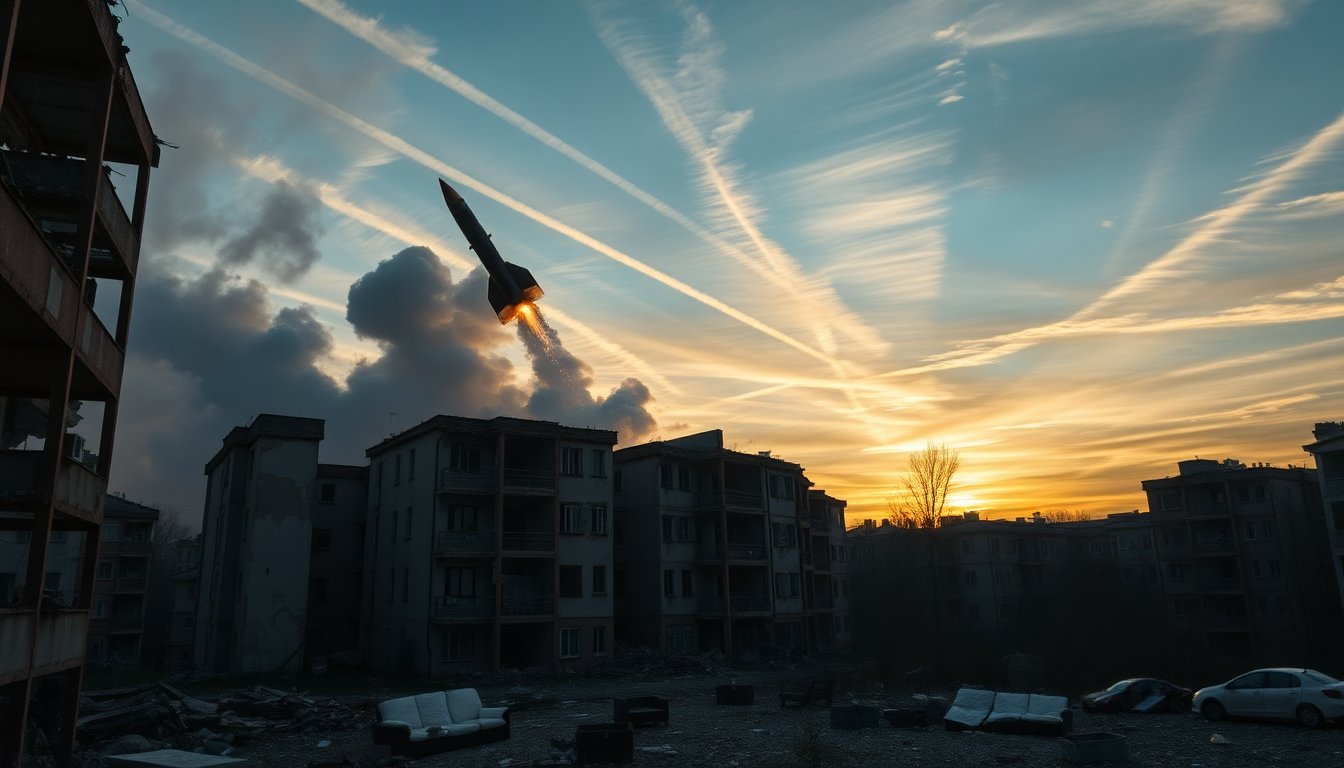
In a significant escalation of hostilities, Russia launched a large-scale assault on Ukraine using missiles and drones during the early hours of Saturday. This surge in violence coincided with ongoing diplomatic talks led by U.S. officials and Ukrainian representatives, aimed at addressing the conflict that has persisted for nearly four years.
The attacks occurred while discussions were taking place in Florida, where aides to U.S. President Donald Trump and Ukrainian officials met for a third consecutive day. After reporting advancements regarding a security framework for a postwar Ukraine, both sides acknowledged that substantial progress depends on Russia‘s genuine commitment to achieving lasting peace.
Details of the recent attacks
During the assault, Russian forces deployed an astonishing total of 653 drones and 51 missiles, triggering air raid alerts across Ukraine. This aggressive campaign coincided with Ukraine’s observance of Armed Forces Day, underscoring the significance of the timing.
The Ukrainian air force responded effectively, intercepting 585 drones and 30 missiles. Despite these defensive actions, the strikes caused damage to 29 locations and resulted in at least eight injuries, including three individuals in the Kyiv region.
Impact on energy infrastructure
The energy sector was a primary target during the assault, with Russian forces aiming at power stations and other critical infrastructure. The Ukrainian national energy operator, Ukrenergo, reported that the Russian military’s actions severely impacted energy supplies across various regions.
Notably, the Zaporizhzhia nuclear power plant temporarily lost all external power sources due to the attacks. This facility, under Russian control, is vital for cooling its dormant reactors. A loss of power could lead to catastrophic outcomes if not addressed swiftly. President Volodymyr Zelenskyy emphasized the intentional targeting of energy facilities, noting that a drone strike had devastated a train station in the Kyiv region.
Diplomatic efforts and challenges
Amid the heightened military actions, diplomatic discussions continue. U.S. negotiators, including special envoy Steve Witkoff and Jared Kushner, met with Ukrainian representatives for a second consecutive day, aiming to solidify plans for a post-conflict Ukraine. However, they stressed that any potential agreement will ultimately depend on Russia’s willingness to engage sincerely in the peace process.
As the dialogue evolves, the United States has altered its financial involvement, with Trump asserting that the U.S. is no longer significantly funding the war against Russia. He noted that substantial monetary aid had already been delivered to Ukraine, estimating that around $350 billion had been dispensed, primarily in cash and military equipment.
Geopolitical implications
The ongoing conflict has major repercussions for the geopolitical landscape, particularly regarding energy resources and military support. Ukraine’s Western allies, recognizing the challenges posed by Russia’s military strategy, have indicated their intent to increase aid and impose stricter sanctions should peace talks fail.
In light of recent developments, NATO officials have stated that while the situation around cities like Pokrovsk remains precarious, the resilience of Ukrainian defenses is expected to endure against current Russian advances. Furthermore, discussions about enhanced military assistance are underway to ensure Ukraine’s continued resistance against Russian aggression.
The attacks occurred while discussions were taking place in Florida, where aides to U.S. President Donald Trump and Ukrainian officials met for a third consecutive day. After reporting advancements regarding a security framework for a postwar Ukraine, both sides acknowledged that substantial progress depends on Russia‘s genuine commitment to achieving lasting peace.0