
Table of Contents
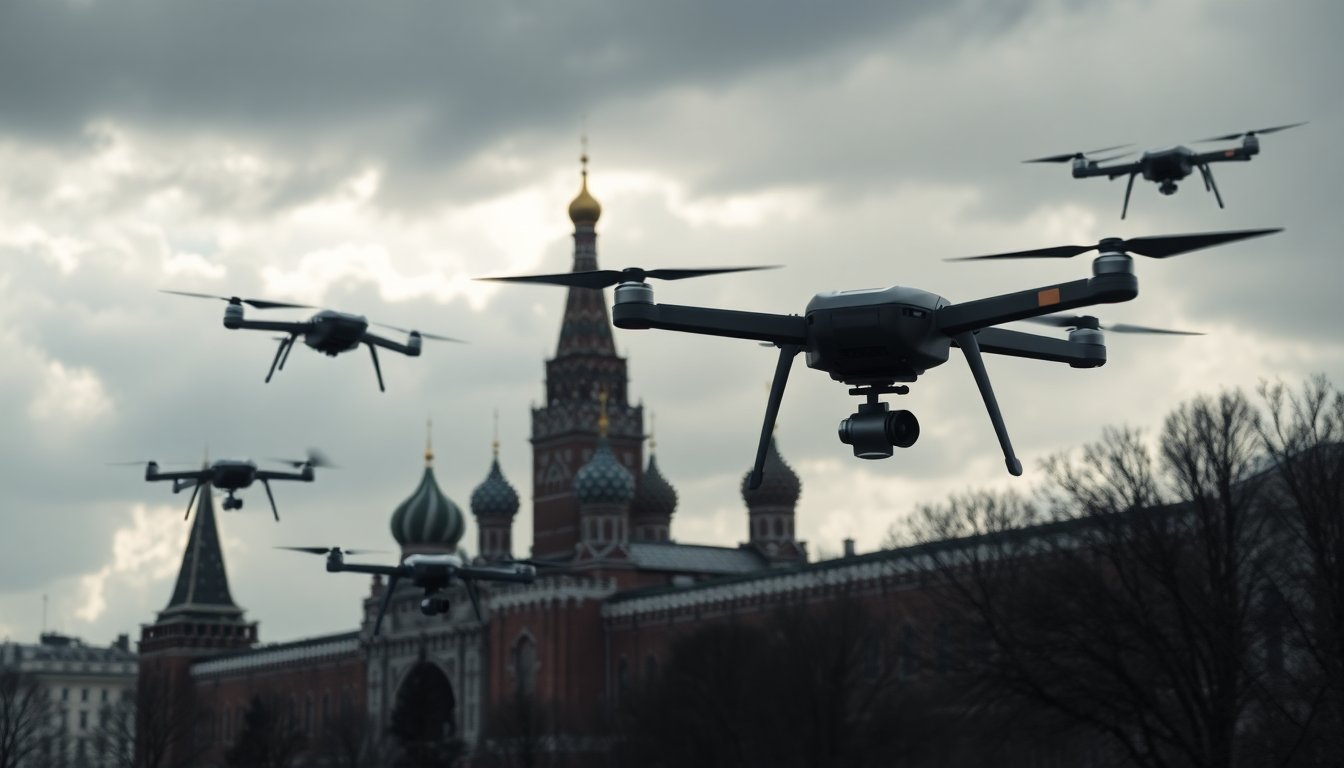
The Kremlin has reiterated its assertions that Ukraine conducted a drone attack targeting the official residence of President Vladimir Putin. This declaration is not merely a reaction to an incident; it serves as a strategic maneuver in the ongoing conflict between the two nations. With these allegations, Russian officials are leveraging claims of aggression to bolster their military posture and influence the dynamics of peace negotiations.
The implications of such claims are profound, as they could hinder diplomatic efforts aimed at resolving the ongoing war. The escalation of rhetoric from Moscow highlights a pattern often seen in international conflicts, where accusations serve as tools to justify military actions or strengthen negotiating positions.
Understanding the accusations and their context
Moscow characterizes the alleged drone strike as a terrorist attack aimed not only at Putin but also intended to disrupt peace talks involving key international stakeholders, including the United States. Dmitry Peskov, a spokesperson for the Kremlin, stated that this incident represents a significant escalation in hostilities, further complicating the already tense atmosphere surrounding negotiations.
Ukraine, however, has vehemently denied Russia’s claims, with President Volodymyr Zelenskyy labeling them as fabrications. He argues that such allegations are tactical maneuvers designed to distract from the Kremlin’s military objectives and to justify future escalations against Ukraine. The Ukrainian government asserts that Russia has a history of leveraging misinformation to misrepresent realities on the ground.
The role of international responses
The international community’s reaction to these developments is crucial. Various leaders, including those from Europe and the United States, are closely monitoring the situation. The potential for renewed diplomatic efforts hinges on the credibility of the claims and the willingness of both parties to engage in constructive dialogue. In the aftermath of the drone allegations, political leaders are emphasizing the importance of maintaining open channels for communication, despite rising tensions.
In a notable response, India’s Prime Minister Narendra Modi expressed concern over the situation. He emphasized the need for all involved parties to focus on diplomatic solutions rather than military escalation. This sentiment reflects a growing anxiety among global leaders regarding the potential for conflict to spiral further out of control.
Strategic implications for negotiations
The Kremlin’s claims may not only affect the current state of negotiations but also shape future interactions between the involved nations. Analysts suggest that both sides are engaged in a strategic game where they attempt to project strength while simultaneously seeking to portray the other as an obstacle to peace. This dynamic complicates the pursuit of a resolution to the conflict.
Mark Galeotti, a prominent Russia analyst, highlighted that both Putin and Zelenskyy aim to present themselves as advocates for peace, placing the blame for ongoing hostilities squarely on the other. Such a strategy might resonate with domestic and international audiences, yet it risks entrenching positions rather than fostering compromise. The interplay of these narratives could either facilitate or hinder future negotiations.
The potential for renewed conflict
As the situation evolves, the risk of renewed conflict looms large. Observers note that the rhetoric from both sides suggests a willingness to escalate military actions if diplomatic avenues fail. The Ukrainian government remains wary of potential retaliatory strikes, especially in light of past incidents where Russia has targeted civilian infrastructure. Zelenskyy’s warning about possible strikes on government buildings underscores the precarious nature of the current environment.
While hopes for a peaceful resolution remain, the challenges posed by mutual distrust and the strategic interests of both nations complicate the path forward. The situation continues to be fluid, and the international community remains vigilant as it seeks to mediate an end to the hostilities.