
Table of Contents
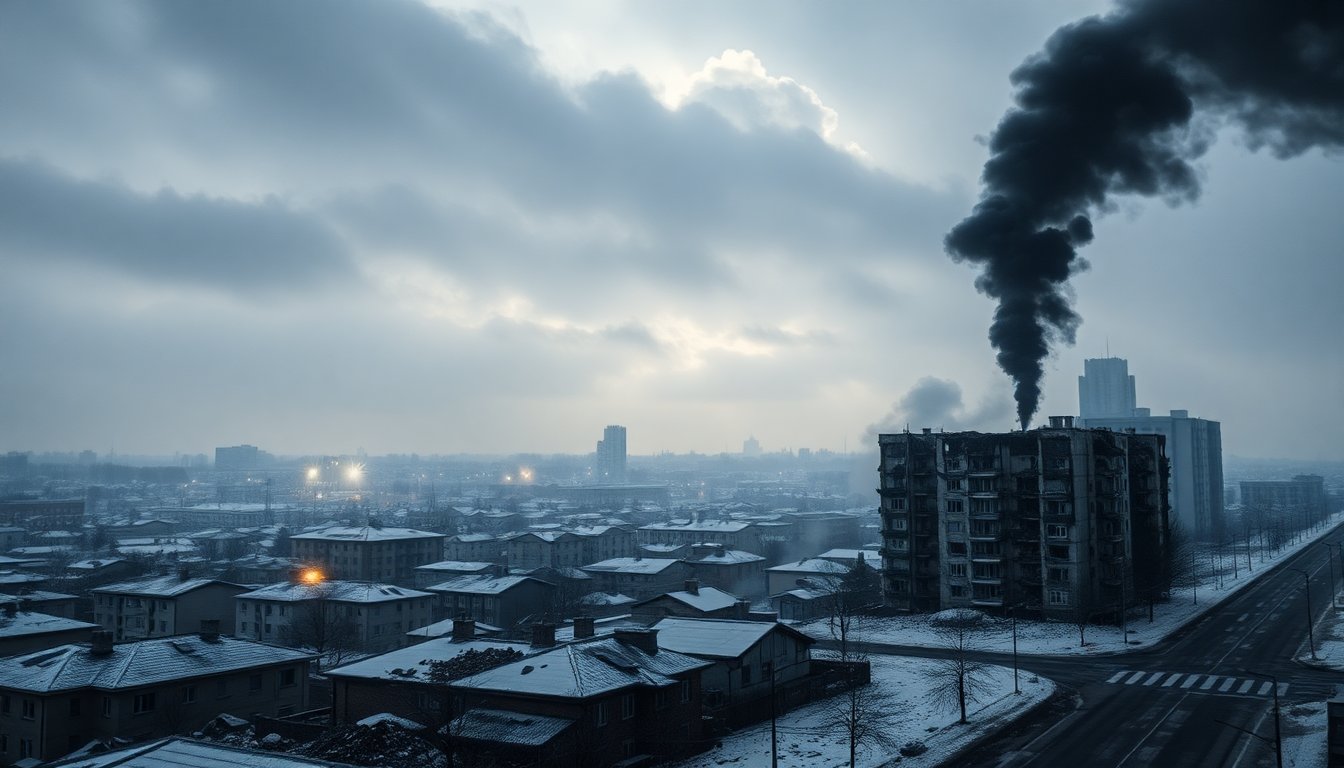
As winter grips Ukraine, the nation faces severe challenges from escalating Russian attacks on critical energy infrastructure. On the night of February 2-3, Kyiv and other key regions experienced a wave of drone and missile strikes, intensifying the crisis. Local officials reported damage to residential areas and essential facilities, further complicating the lives of civilians.
In Kyiv, military administration head Tymur Tkachenko confirmed significant damage across several districts, including Darnytskyi and Dniprovskyi. Three individuals sustained injuries from the strikes, which also affected non-residential buildings and a gas station. Mayor Vitali Klitschko emphasized the need for vigilance as the city confronts ongoing threats.
The impact of attacks on Kharkiv
To the east, Kharkiv has become a primary target for Russian assaults aimed at crippling its energy infrastructure. Mayor Ihor Terekhov highlighted the strategic intent behind these attacks: to maximize damage and deprive residents of heat amid subzero temperatures that can reach -20°C (-4°F). This harsh reality forced city officials to drain water from heating systems connected to critical power plants, leaving over 800 apartment buildings without heating.
Emergency shelters and community resilience
In response to the crisis, Terekhov announced that all of Kharkiv’s designated ‘Points of Invincibility’—emergency shelters—will remain operational 24/7. These facilities offer warm refuge, hot beverages, and charging stations for mobile devices to those affected by the cold and ongoing conflict. Additional heating sites are also planned to ensure residents have access to warmth during these perilous times.
As conditions evolve, the community’s resilience is being tested. Local authorities are working tirelessly to restore essential services and support those in need, while residents are adapting to the bitter winter conditions. The mayor reported that two men were injured during the recent strikes, underscoring the personal toll of the conflict.
Conflicting reports and international attention
In the days before the attacks, a concerning trend emerged as Ukraine’s Energy Ministry reported a rise in strikes against vital energy infrastructure. Regions such as Kharkiv, Sumy, and Dnipropetrovsk faced power outages, raising alarms about public safety. In contrast, President Volodymyr Zelensky claimed there had been no targeted strikes on energy facilities in the previous 24 hours, revealing discrepancies in reporting.
The Kremlin’s unwillingness to clarify its position on the supposed ceasefire regarding energy infrastructure adds complexity to the situation. Kremlin spokesperson Dmitry Peskov provided little insight, reiterating previous statements without addressing the current escalation.
Continuing violence and humanitarian concerns
The violence extends beyond infrastructure strikes. A tragic drone attack on February 2 hit a civilian bus in Dnipro, claiming the lives of at least 15 individuals, many of whom were miners returning home after their shifts. President Zelensky condemned this act as a blatant crime, calling for accountability and justice.
The humanitarian crisis is exacerbated by relentless attacks targeting not only military facilities but also civilian lives. Everyday Ukrainians face devastating challenges as they navigate a harsh winter with dwindling resources and increased vulnerability. The international community is closely monitoring the situation, with diplomatic discussions scheduled for early February in Abu Dhabi aimed at finding a resolution.
The escalating conflict and targeted assaults on Ukraine’s energy systems have left the nation grappling with severe challenges. As temperatures drop, the resilience of the Ukrainian people is put to the test against the backdrop of a harsh winter and ongoing hostilities. The need for immediate support and a resolution to the crisis has never been more pressing.