
Table of Contents
The ongoing conflict
The conflict between Russia and Ukraine continues to escalate, highlighted by a recent missile attack on the city of Lviv. This attack, attributed to Russia’s Oreshnik ballistic missile, is said to be a response to a reported Ukrainian drone strike on one of President Vladimir Putin’s residences. The significance of this incident cannot be understated, as it contributes to the ongoing hostilities that have characterized the conflict since the invasion began.
Details of the missile strike on Lviv
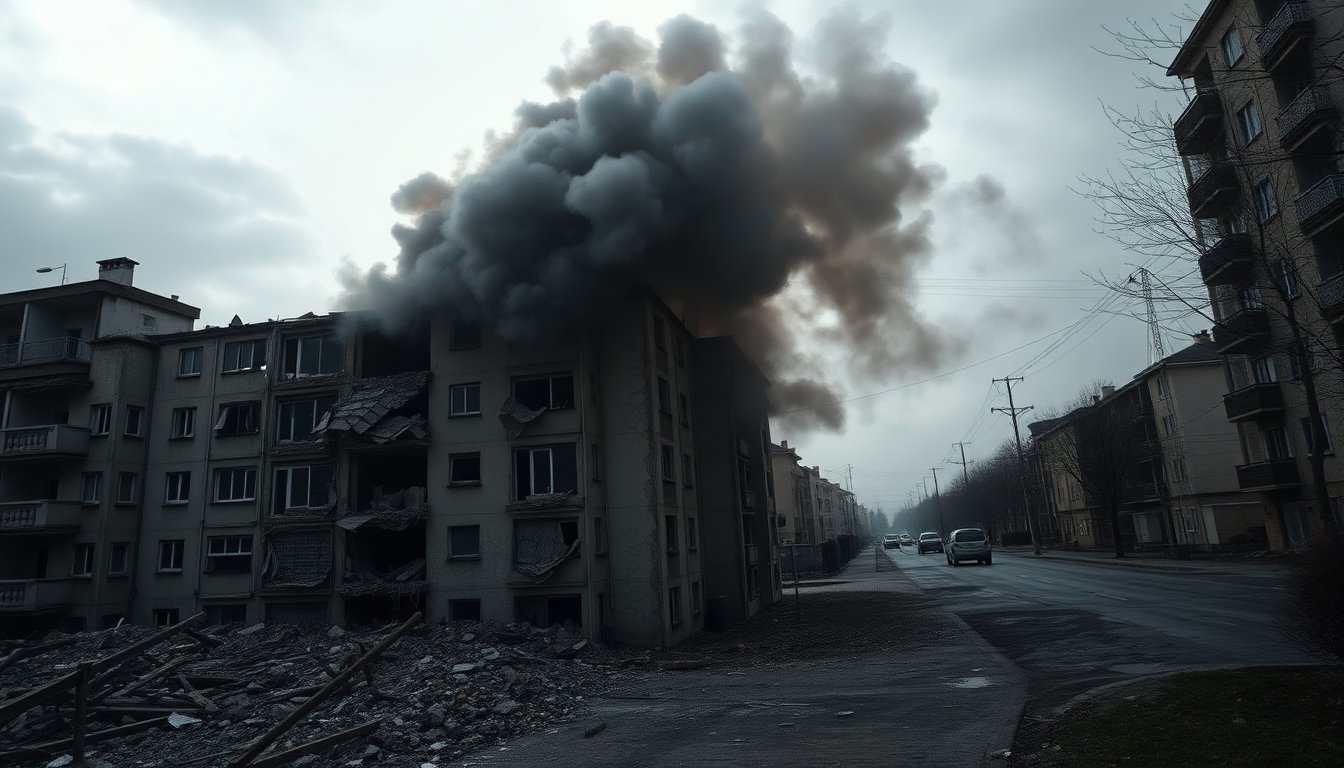
On the morning of January 8, powerful explosions were reported in Lviv. Ukrainian authorities confirmed these explosions resulted from a missile strike targeting vital infrastructure. The Mayor of Lviv, Andriy Sadovyi, stated that the attack specifically aimed at critical facilities in the region, with the Stryi gas field and its storage capabilities identified as primary targets. Regional Governor Maksym Kozytskyi supported these claims, highlighting the damaging effects of the strike.
Preceding warnings and international response
Before the recent assault, the U.S. Embassy in Ukraine issued a security alert regarding a potential airstrike, signaling a significant risk of missile attacks in the days ahead. This warning echoed previous alerts from November, which preceded a similar strike in Dnipro. Such notifications reflect the heightened awareness and concern for civilian safety in Ukraine amid ongoing military conflicts.
Ukrainian President Volodymyr Zelensky confirmed that the missiles deployed included the Oreshnik, among various other munitions. This missile is recognized for its ability to evade defense systems, rendering it particularly lethal. Zelensky emphasized the necessity for a robust international response to Russia’s aggression, urging the United States and other allies to take decisive action against these violations of sovereignty.
The implications of the ongoing conflict
The missile strike on Lviv reflects a larger strategy by Russia to demonstrate its military strength while delivering a clear message to Ukraine and its international allies. The Russian Defense Ministry described these attacks as necessary responses to what they label terroristic actions by Ukraine, a claim that Ukraine firmly denies. Analysts view this narrative as an attempt to rationalize ongoing military aggression.
This incident highlights the complexities of the conflict, where narratives of victimization and aggression are intertwined. The Kremlin’s justification for the strike connects to an alleged drone attack on President Putin’s residence, which Ukraine categorically dismisses as a fabrication intended to garner support for increased military operations. The situation is further aggravated by the ongoing humanitarian crisis in Ukraine, with relentless airstrikes resulting in loss of life and significant damage to critical infrastructure.
Technological and strategic advancements in warfare
The deployment of the Oreshnik missile signifies a significant evolution in military capabilities. This intermediate-range ballistic missile can attain speeds exceeding 13,000 km/h, making it particularly difficult to intercept. Such characteristics raise serious questions about the efficacy of current air defense systems. Experts note that the missile’s capability to release multiple warheads, each able to target distinct locations, enhances its destructive potential and complicates defense strategies.
As the conflict progresses, both Russia and Ukraine are adjusting their military tactics. Russia’s increasing dependence on sophisticated missile technology contrasts with Ukraine’s initiatives to strengthen its defensive measures, illustrating a continuing arms race. The international community remains vigilant, aware that any escalation in hostilities could lead to significant repercussions beyond Ukraine’s borders.
The implications
The missile strike on Lviv highlights the persistent tensions between Russia and Ukraine. Each military engagement raises the stakes, with severe consequences for civilian populations. As Ukraine endures ongoing aggression, the need for a coordinated international response grows more pressing. The situation demands careful management to avert further escalation and to explore potential avenues for peace.