
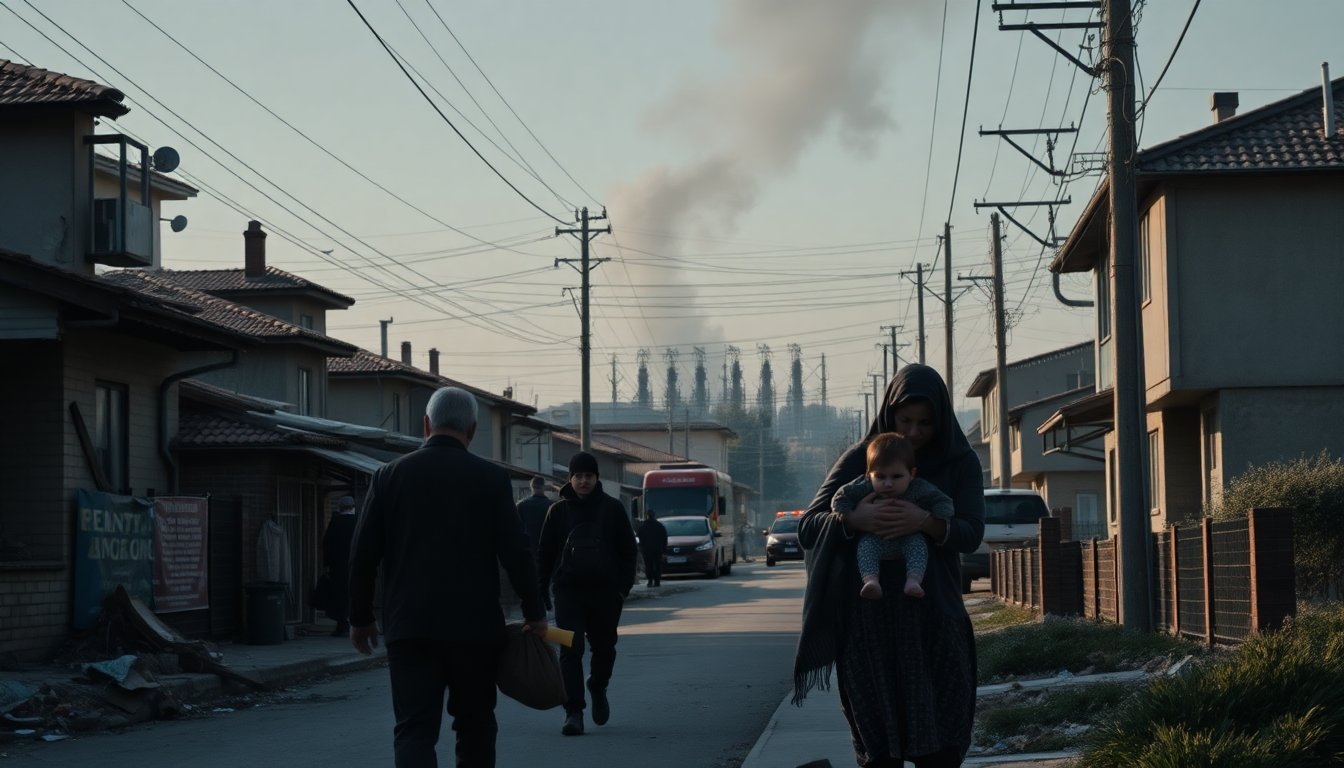
Headline: New strikes across Ukraine damage homes and energy sites as diplomacy heats up ahead of Feb. 24 anniversary
Lead
On February 21, fresh fighting along the frontline sent missiles, guided munitions and drones into towns and energy infrastructure, leaving civilian neighborhoods scorched and power links at greater risk. Emergency services reported injuries, fires and displaced families as Kyiv and European capitals scrambled through high-stakes talks on military aid, energy repairs and reconstruction money.
What happened, in brief
– Frontline exchanges used missiles, drones and precision munitions, according to local and regional authorities. – Residential buildings in Komyshuvakha caught fire after a strike; at least two civilians were wounded. A warehouse in Malynivka (Kharkiv region) also sustained hits. – Heavy shelling was reported near the occupied Zaporizhzhia nuclear plant. Russian border regions Belgorod and Bryansk reported strikes on settlements and alleged damage to hospitals. Independent verification is limited.
Who’s affected
Civilians in frontline towns are the immediate victims: families forced from homes, emergency crews battling blazes, and communities facing interrupted water, heat and power. Energy operators warn that damaged pipelines and storage sites make fuel and electricity supply fragile across the region.
Energy infrastructure under threat
European officials and Kyiv flagged growing danger to repair crews. The European Commission warned that restoring pipelines and power links remains hazardous: repaired sites have been re-targeted in the past, and any on-site work needs secure corridors and real-time threat checks.
Naftogaz thanked State Emergency Service teams for working under fire to stabilise operations, but contractors are deferring full repairs until security assessments guarantee safer conditions. Brussels urged coordination with Ukrainian authorities before any unilateral attempts to restore lines such as the Druzhba pipeline, which once fed oil to Hungary and Slovakia.
Diplomacy, politics and looming deadlines
With the fourth anniversary of the invasion on February 24, diplomatic activity is intensifying. French and British leaders have scheduled a video conference to coordinate Ukraine’s coalition response. But political friction is rising: Hungary signalled it might block a large EU loan to Ukraine until oil transit resumes, framing the issue as a breach of trade commitments — a claim EU officials reject, pointing to Russian aggression as the root cause.
At the same time, a group of European nations announced work on lower-cost air-defence munitions to stretch existing stocks and bolster continental protection. Other temporary measures under discussion include sanctions waivers and asset-management arrangements to keep critical facilities running.
Human impact and immediate response
Reporters on the ground say access to some damaged areas is limited and official casualty figures remain provisional. Emergency teams continue to prioritise life-saving work: securing sites, fighting fires, protecting storage facilities and trying to limit fuel supply disruptions for civilians.
Why this matters next month and beyond
– Politics: Hungary’s stance could slow EU financial support, complicating timely aid to Kyiv. – Energy: Repair timetables hinge on verified security conditions and coordination among operators and national authorities. – Military: Continued use of long-range, asymmetric weapons increases the risk to civilian infrastructure and makes restoration work dangerous. – Defence industrial base: If the air-defence munition project speeds up, it could relieve pressure on allied stocks; timelines and production capacity remain unclear.
Lead
On February 21, fresh fighting along the frontline sent missiles, guided munitions and drones into towns and energy infrastructure, leaving civilian neighborhoods scorched and power links at greater risk. Emergency services reported injuries, fires and displaced families as Kyiv and European capitals scrambled through high-stakes talks on military aid, energy repairs and reconstruction money.0
Lead
On February 21, fresh fighting along the frontline sent missiles, guided munitions and drones into towns and energy infrastructure, leaving civilian neighborhoods scorched and power links at greater risk. Emergency services reported injuries, fires and displaced families as Kyiv and European capitals scrambled through high-stakes talks on military aid, energy repairs and reconstruction money.1