
Table of Contents
The quest for peace in Ukraine is at a critical juncture as diplomatic negotiations progress between the United States and Russia. A U.S. delegation, including prominent figures associated with former President Donald Trump, met with Russian President Vladimir Putin in Moscow. This meeting follows Russia’s announcement of military achievements, suggesting it can attain its goals without relying on diplomatic solutions.
Despite the Kremlin’s claims of battlefield successes, the situation remains volatile for Ukraine. President Volodymyr Zelenskyy, currently on a diplomatic mission in Ireland, expressed concerns about the U.S.’s ongoing commitment to the peace process. He warned that a reduction in American involvement could encourage Russia and complicate efforts to reach a resolution.
Escalating tensions amidst diplomatic dialogues
Ukrainian President Volodymyr Zelenskyy expressed a critical concern in his recent speech in Dublin regarding potential fatigue among allied nations. He remarked, “If somebody from our allies is tired, I’m afraid,” suggesting that Russia may be attempting to sow disinterest among its opponents. This apprehension is set against the backdrop of ongoing military operations, during which Russian forces claim to have secured key locations in Ukraine, including Pokrovsk. However, these assertions remain unverified and have been met with skepticism from Ukrainian officials.
Responses from Ukrainian leadership
Ukrainian Foreign Minister Andrii Sybiha has reacted to President Vladimir Putin’s recent assertive comments, asserting that such rhetoric indicates Russia’s unwillingness to pursue peace. Sybiha stated, “Russia must end the bloodshed it has started. If this doesn’t happen and Putin just spits into the world’s face once again, there must be consequences.” This statement underscores Ukraine’s demand for accountability and an end to hostilities that have led to significant suffering.
In a related diplomatic effort, Ukrainian President Volodymyr Zelenskyy held discussions with French President Emmanuel Macron, reaffirming Ukraine’s commitment to international cooperation. Zelenskyy emphasized the importance of maintaining a united front against Russian aggression, urging global leaders to remain aware of the consequences stemming from the invasion initiated in 2025.
American involvement and the path ahead
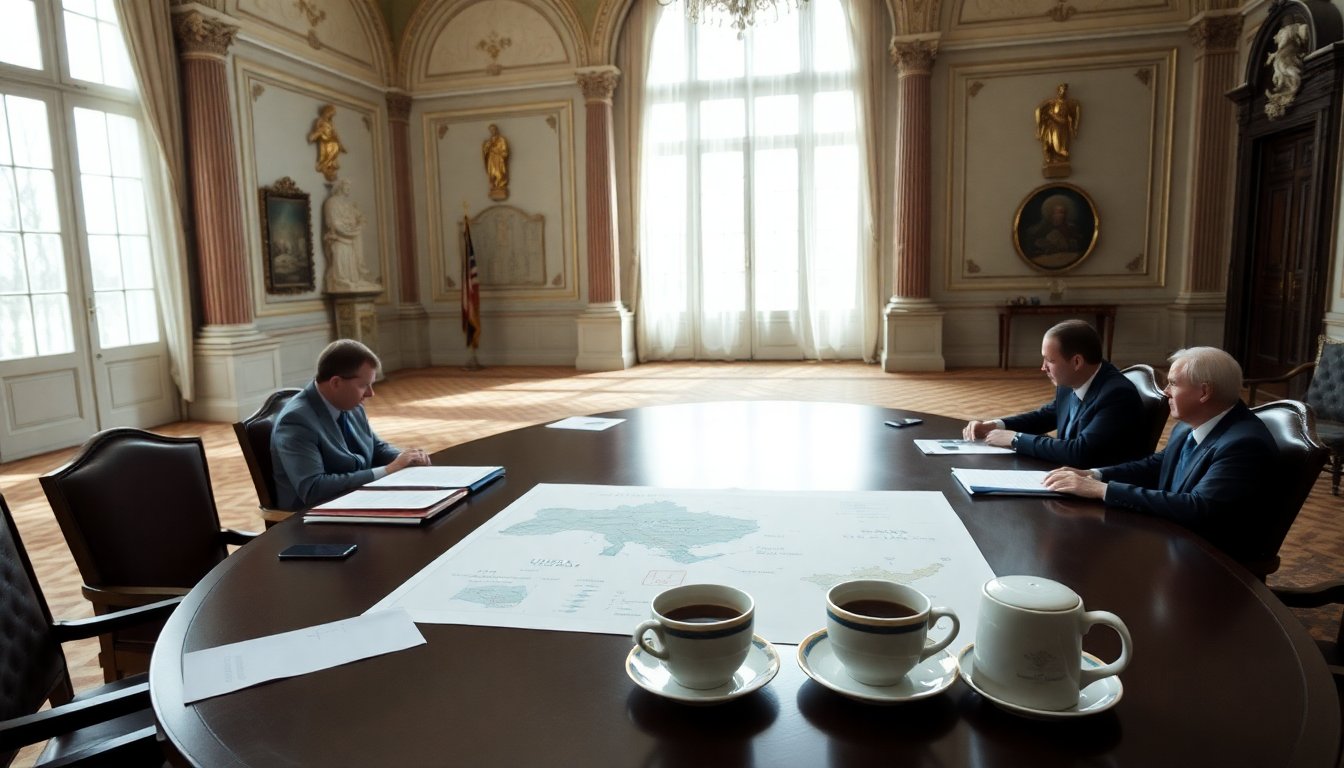
As discussions continue in Moscow, representatives for Trump, including Jared Kushner and negotiator Steve Witkoff, are working to present a revised peace proposal. This proposal aims to reflect recent negotiations with Ukrainian officials. The United States seeks to highlight its role in mediating a resolution. Witkoff’s sixth visit to Moscow underscores the ongoing commitment to achieving a diplomatic solution. These talks occur as Ukraine aims to soften the terms of earlier proposals, which were seen as favoring Russian interests.
International reactions and future implications
International reactions and Ukraine’s quest for justice
The situation remains fluid, with international reactions to ongoing military developments playing a critical role in shaping diplomatic outcomes. Ukrainian President Volodymyr Zelenskyy’s advocacy for justice and accountability resonates as he calls for a tribunal to hold Russian aggressors accountable. He implores the global community to remember the unprovoked nature of the invasion and the need for continued support for Ukraine in its struggle for sovereignty.
The stakes in diplomatic talks
As diplomatic talks unfold, the stakes are high. The balance between military realities and the political will of international allies will significantly influence the trajectory of peace negotiations. Both sides remain entrenched in their positions, leaving the hope for resolution dependent on the ability of negotiators to navigate these complex dynamics and foster a climate conducive to lasting peace.