
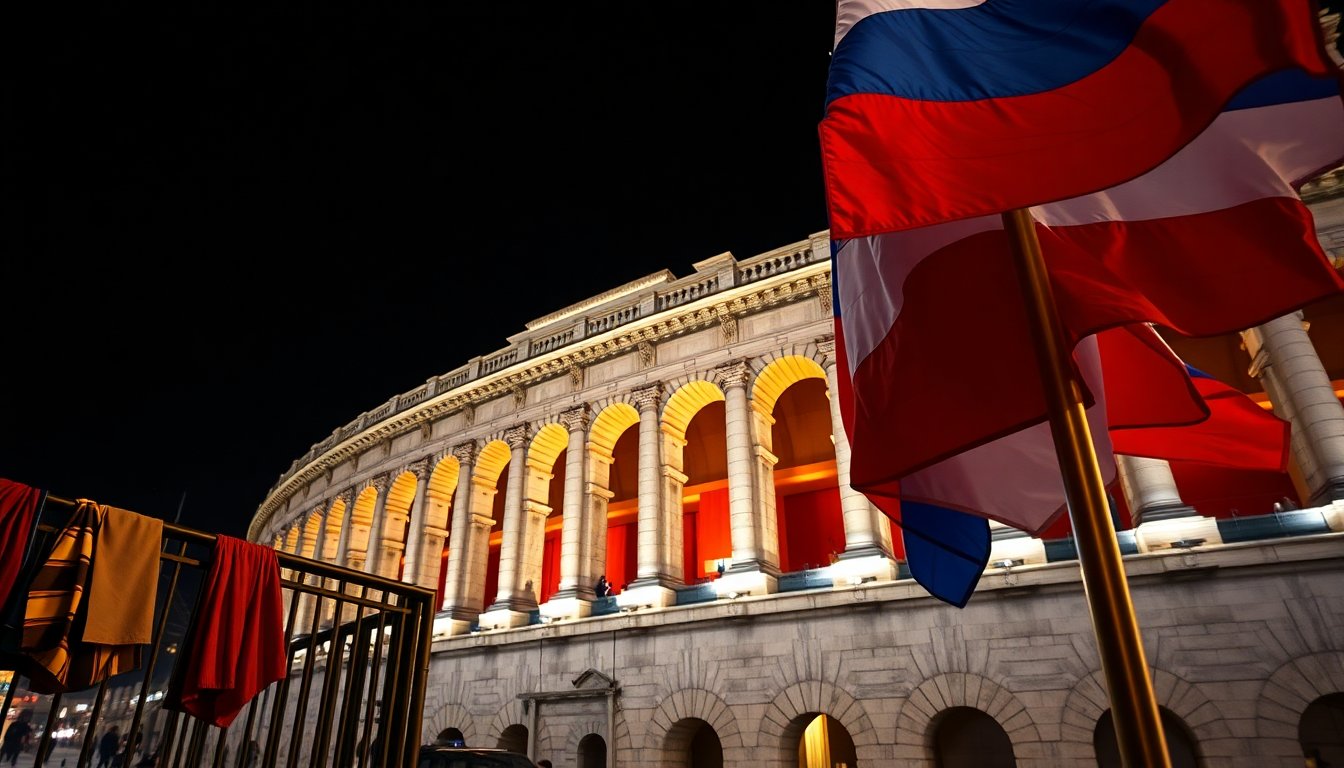
The Milano–Cortina Winter Paralympics opened in Verona with a ceremony that mixed celebration and unease. The ancient Arena di Verona — alive with light, music and hundreds of years of history — hosted the parade of nations and a sequence of performances, but the evening was also punctuated by protests, boycotts and a heightened security presence.
A multi‑hub Games
Organisers lit two cauldrons — one in Milan and one in Cortina d’Ampezzo — to underscore the split‑site nature of the Games. Officials called this the largest winter Paralympics to date: roughly 612 athletes from 56 countries are expected to compete across six sports. Still, what should have been a simple pageant of inclusion and sport took place against a tense political backdrop.
Flags, protests and absent delegations
The most contested moment came when Russian and Belarusian flags appeared in the procession — the first time a Russian state flag has been visible in a Paralympic opening parade since Sochi 2014. Some spectators booed. In response, seven national delegations — Ukraine, the Czech Republic, Estonia, Finland, Latvia, Lithuania and Poland — chose not to take part in the march as a form of protest. Other teams declined the parade for operational reasons, saying athletes were staying near competition sites to protect training routines.
Those decisions left only about 45 competitors to walk in person at the ceremony, and volunteers, pre‑recorded videos and substitute footage stood in for missing delegations on screen. Broadcasters adjusted camera work and commentary in real time, balancing live coverage with the ceremony’s fraught political elements.
Security and logistics under strain
Organisers faced immediate logistical headaches. With protests nearby and some teams refusing to process through public routes, security teams tightened controls and stewards increased screening at access points. Local authorities confirmed contingency plans were active to keep the competition calendar on track.
For national committees and athletes, the split between ceremonial participation and competitive readiness raised practical questions: accreditation handovers, movement between clusters, access to training facilities and the chain‑of‑custody for credentials. Officials say they prioritised secure transport and clear communications so athletes could focus on performance rather than travel disruptions.
A real‑world impact on competitors
Security concerns already had concrete consequences. Iran’s sole scheduled cross‑country skier withdrew after organisers and the delegation deemed travel unsafe amid regional tensions, shrinking the field in that event. Several other athletes limited their public appearances, preferring to remain in athlete villages or training venues rather than risk transit delays or disturbances.
Leaders, culture and accessibility
IPC president Andrew Parsons urged focus on athletes, framing the Games as a forum for competition and inclusion rather than state politics. The cultural programme continued in adapted form, with internationally recognised musicians performing inside the upgraded Arena di Verona. Organisers also highlighted accessibility improvements — ramps and enhanced facilities — intended to make the site more welcoming to competitors and spectators alike.
What organisers and teams are doing next
Behind the scenes, organisers and authorities are tightening contingency protocols: remote accreditation where needed, more secure transit corridors, stricter venue access rules and clearer lines of communication with national delegations. Teams, for their part, have adjusted arrival procedures, limited hospitality access and emphasised staying close to competition sites — pragmatic moves aimed at preserving performance readiness.
Why this matters
These Games arrive at a moment when geopolitics and security concerns are reshaping how large multisite sporting events are run. The opening night demonstrated how quickly symbolism — a flag, a procession, an absent team — can upend ceremony and force operational trade‑offs between safety and spectacle. Over the next days, broadcasters, rights‑holders and organisers will be watching whether the Paralympics can sustain an athlete‑first focus while managing the external pressures that have shadowed the start.
A multi‑hub Games
Organisers lit two cauldrons — one in Milan and one in Cortina d’Ampezzo — to underscore the split‑site nature of the Games. Officials called this the largest winter Paralympics to date: roughly 612 athletes from 56 countries are expected to compete across six sports. Still, what should have been a simple pageant of inclusion and sport took place against a tense political backdrop.0