
Table of Contents
In a significant incident that has reverberated through military and political circles, Lieutenant General Vladimir Alexeyev, first deputy head of Russia’s military intelligence agency (GRU), was shot multiple times in a residential building in Moscow. The shooting occurred on a Friday, and details are still emerging.
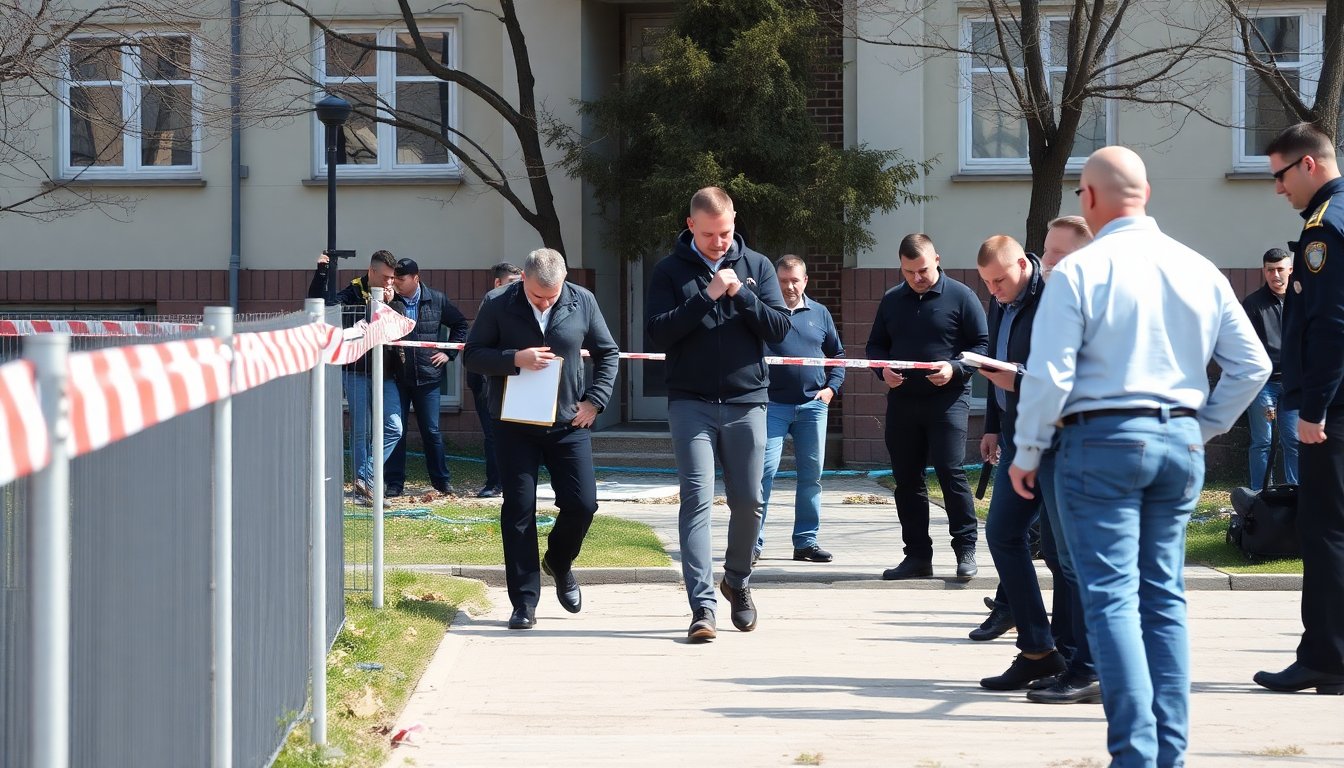
The investigation, led by Russia’s Investigative Committee, indicates that an unknown assailant targeted Alexeyev before fleeing the scene. He was swiftly transported to a Moscow hospital. While his medical condition remains undisclosed, law enforcement sources report that he is in serious condition.
The facts
Reports from various Telegram channels linked to Russian security services, including Mash and Baza, suggest that Alexeyev was shot in the back. Authorities have initiated a criminal investigation, charging the shooter with attempted murder and illegal possession of firearms.
Alexeyev’s career and significance
Since 2011, Alexeyev has served as the first deputy head of the GRU, a role critical to Russian military operations. He oversees the so-called “volunteer” formations involved in the conflict in Ukraine. Investigative reports from Radio Free Europe have connected him to key military decisions impacting the conflict.
Moreover, Alexeyev played a role in discussions with Yevgeny Prigozhin during the Wagner mutiny in June, addressing the situation alongside Deputy Defense Minister Yunus-Bek Yevkurov. His ties to the Wagner group and other paramilitary organizations have been significant, as he coordinated various operations and military strategies.
International implications and sanctions
Alexeyev’s actions have drawn international attention. In December 2016, the United States government sanctioned him for his alleged involvement in cyber operations targeting the U.S. presidential election. In 2019, the European Union imposed sanctions due to his role in the Skripal poisonings in the UK, escalating tensions between Russia and Western nations.
Accusations against Ukraine
Following the shooting, Russian officials accused Ukraine of orchestrating an assassination attempt. Russian Foreign Minister Sergei Lavrov labeled the incident a “terrorist act” aimed at sabotaging peace negotiations. Kremlin spokesperson Dmitry Peskov confirmed that Russia’s secret services are managing the investigation, with President Vladimir Putin kept informed of developments.
While Kyiv has not responded to the accusations, Ukrainian forces have claimed responsibility for targeting several high-ranking Russian officials since the onset of the full-scale invasion in February. This context intensifies the current situation, as tensions between the two nations remain high.
As the investigation continues, the implications of this shooting could affect military strategies and diplomatic relations. The outcome may significantly influence future political and military maneuvers in the region.