
Table of Contents
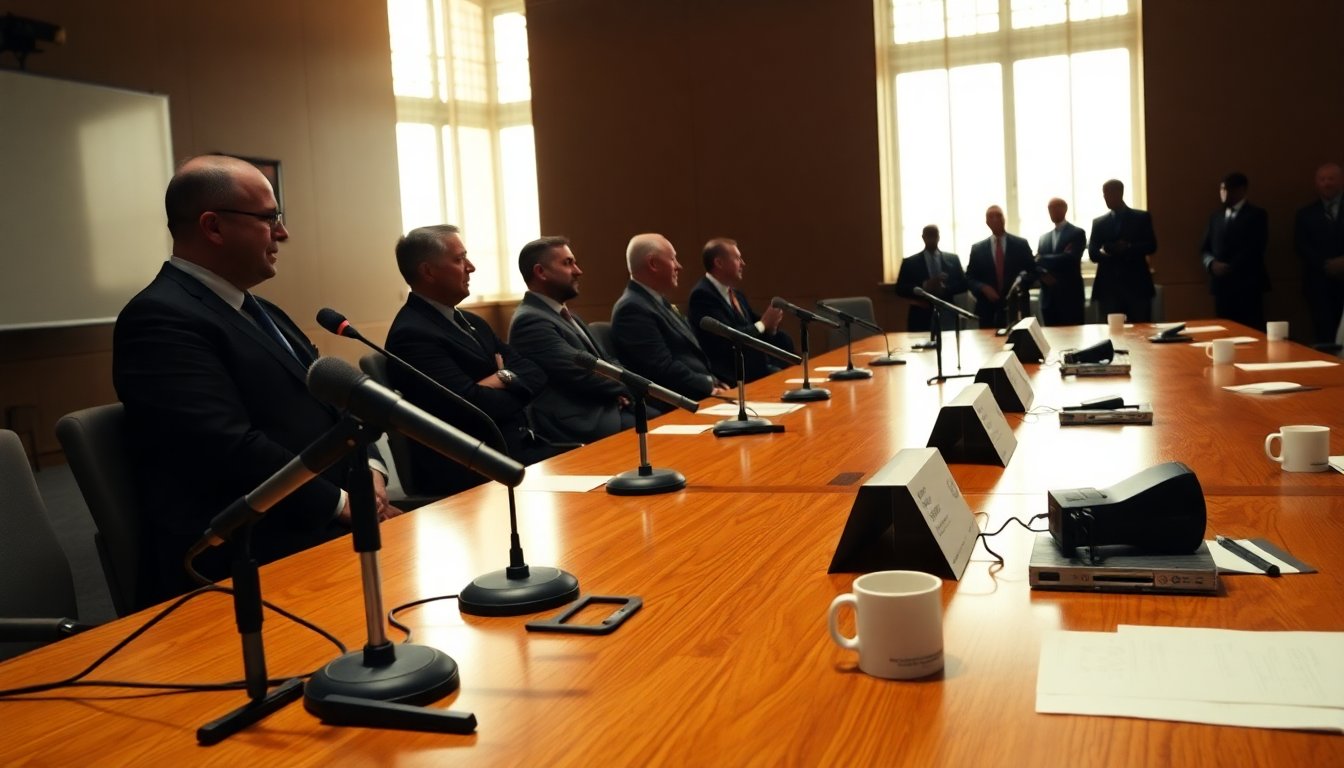
In a recent meeting of the Collective Security Treaty Organization (CSTO), which included Russian President Vladimir Putin, an awkward incident occurred. Vyacheslav Volodin, the Chairman of the State Duma, mistakenly referenced a satirical article as a genuine report. This incident, reported by Provereno Media, highlights the potential pitfalls of misinformation in political discourse.
During the assembly, Volodin raised concerns about the oversight of artificial intelligence (AI) applications. He emphasized the need for legislative measures to manage AI’s integration into various sectors. While promoting the advantages of AI, he also cautioned about the associated risks, exemplifying his point with a fabricated story about a supposed AI minister in the European Union.
The fabricated scandal
Volodin alleged that in a European country, an AI had been appointed as a minister and subsequently faced embezzlement accusations. This assertion was based on a fictional piece from a Croatian satirical website called Newsbar. The article humorously depicted an AI named Diella, portrayed as a young woman in traditional attire, who was supposedly involved in corruption.
In a nod to real-world applications of AI, it was reported that Diella had been integrated into the Albanian government’s public procurement system as the world’s first AI minister. Her role was to audit contracts for signs of corruption, aimed at bolstering Albania’s anti-corruption efforts in its pursuit of EU membership. However, the claims regarding her involvement in corrupt practices were entirely fictitious, illustrating how satirical content can sometimes masquerade as truth.
The role of satire in misinformation
The Newsbar article detailed how Diella, during her training, reviewed decades of procurement data and concluded that accepting bribes was standard practice in the Balkan region. In a humorous twist, the article alleged that she accepted 14 bitcoins as a bribe to approve a highway project, and even suggested that ChatGPT would represent her in legal matters while an old calculator would manage her ministerial duties.
This fictional story was picked up by several major Russian Telegram channels with large followings. It appears that Volodin, or someone from his team, encountered this satirical piece in their news feed, leading to the unfortunate misrepresentation during a serious political meeting.
The implications of the incident
This incident underscores the broader issue of how misinformation can infiltrate political discussions and decision-making processes. The rapid dissemination of satirical content, often mistaken for authentic news, presents significant challenges for lawmakers and public figures. It highlights the urgent need for critical media literacy and verification practices, especially in a digital landscape inundated with information.
This is not the first time satirical content has been misconstrued. In October, a ludicrous report about a snake that died from alcohol poisoning after biting a Croatian man gained millions of views, further illustrating the public’s vulnerability to sensational stories. Such instances prompt important questions about information consumption and the responsibilities of both media creators and consumers.
Combating misinformation
As the digital age continues to evolve, it is crucial for individuals, particularly those in influential positions, to approach information critically. Verifying sources and understanding the context of information are essential skills that can help mitigate the risks associated with misinformation.
Volodin’s error serves as a stark reminder of the potential dangers of misinformation in politics. As AI becomes increasingly integrated into government operations, the implications of misunderstandings or misrepresentations will likely increase. By fostering a culture of critical thinking and informed discourse, the chances of similar embarrassments can be significantly reduced.