
Table of Contents
Russia announces military budget amid ongoing conflict
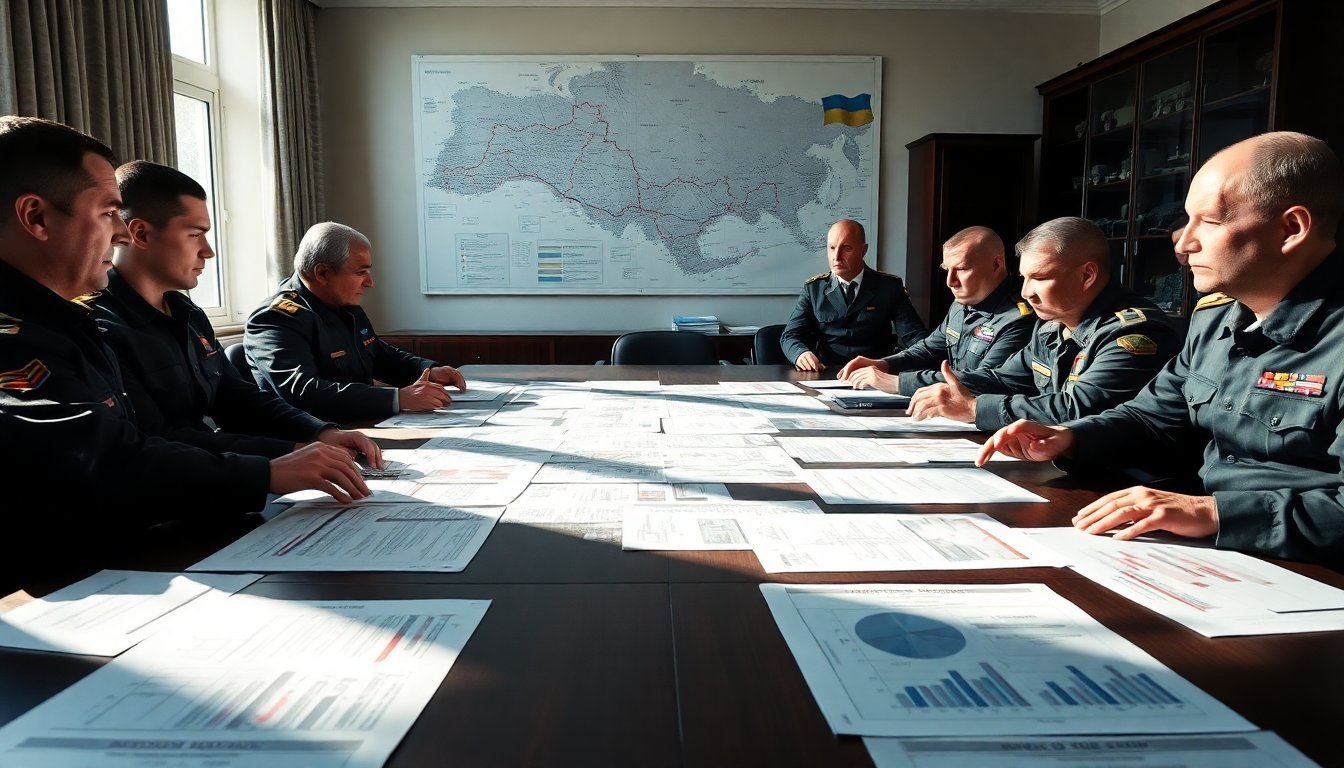
The Russian government has announced its military budget for the upcoming year, which will account for approximately 5.1 percent of the nation’s gross domestic product (GDP). This information was revealed during a recent meeting led by Defense Minister Andrey Belousov. Notably, this marks the first instance in which direct spending related to the ongoing conflict in Ukraine has been detailed.
The total military expenditures linked to this conflict are projected to reach around 11.1 trillion rubles, equivalent to nearly $137.9 billion.
Overview of military budget allocations
The Economic Ministry forecasts that Russia’s GDP will reach 217.3 trillion rubles (approximately $2.7 trillion) by 2025. Within this context, military spending is classified as part of national defense, which includes a range of military expenses, such as operational costs and infrastructure investments.
For 2025, Russia’s military budget is set at 13 trillion rubles (around $161.5 billion). This amount exceeds the total government spending allocated to social policy and the national economy, underscoring the emphasis placed on military expenditure.
Recruitment and personnel changes
During a recent meeting, Minister Belousov announced that recruitment for contract military service has significantly surpassed expectations. Approximately 410,000 personnel are anticipated to enlist in 2025, a number that greatly exceeds the ministry’s initial targets for the year. Notably, nearly two-thirds of these new recruits are individuals under the age of 40.
This surge in recruitment indicates a strategic shift in the demographics of military personnel, likely aimed at enhancing the capabilities of the armed forces amid ongoing military operations. The increased focus on troop numbers addresses the escalating demands of the conflict, highlighting the urgency of military preparedness.
Financial constraints and budget optimization
Despite a substantial military budget, Minister Belousov acknowledged significant financial challenges faced by the Defense Ministry throughout the year. He indicated that the ministry operated under severe financial constraints, which necessitated stringent measures for budget optimization and prioritization. To accommodate increased military spending, austerity measures were instituted for expenses not directly associated with military operations.
Consequently, the overall share of such expenditures in relation to GDP is projected to decrease from 2.7% in 2025 to 2.2% in 2025. By deferring some expenses and reducing others, the ministry seeks to ensure that critical military capabilities remain adequately funded while managing overall budgetary pressures.
Reallocation of funds for military procurement
The Defense Ministry has initiated a significant financial reorganization focused on monitoring military budget expenditures. This initiative has led to the reallocation of more than 860 billion rubles (approximately $10.7 billion) in 2025, specifically designated for procuring priority weapons and military equipment. The optimization efforts aim to enhance state defense procurement assignments, ensuring that resources effectively address essential military needs.
This reallocation strategy demonstrates the ministry’s commitment to sustaining a strong military capability despite budgetary constraints. It highlights the ongoing focus on military readiness and the critical role of strategic procurement in supporting operational objectives.
Ukrainian counteroffensive and geopolitical implications
The conflict in Ukraine continues to develop, marked by significant military actions. Recent reports indicate that Ukrainian forces have launched successful tactical counterattacks, reclaiming territories including parts of the city of Kupyansk. These actions highlight the challenges faced by Russian military operations, as Ukrainian forces conduct effective counteroffensives despite Russian claims of progress.
The military dynamics on the ground remain fluid, with both sides adapting to changing strategies and operational challenges. Increasing military spending is a key aspect of Russia’s approach to the conflict, reflecting its broader geopolitical objectives.
Russia’s military budget for 2025: strategic implications
The recent disclosure of Russia’s military budget sheds light on the nation’s strategic priorities amid ongoing conflict. With significant funds allocated to military operations and recruitment, the implications extend beyond domestic policy to international relations. As developments in Ukraine unfold, these financial commitments are poised to impact the dynamics of the conflict considerably.