
Table of Contents
Former Olympic snowboarder pleads not guilty to serious charges
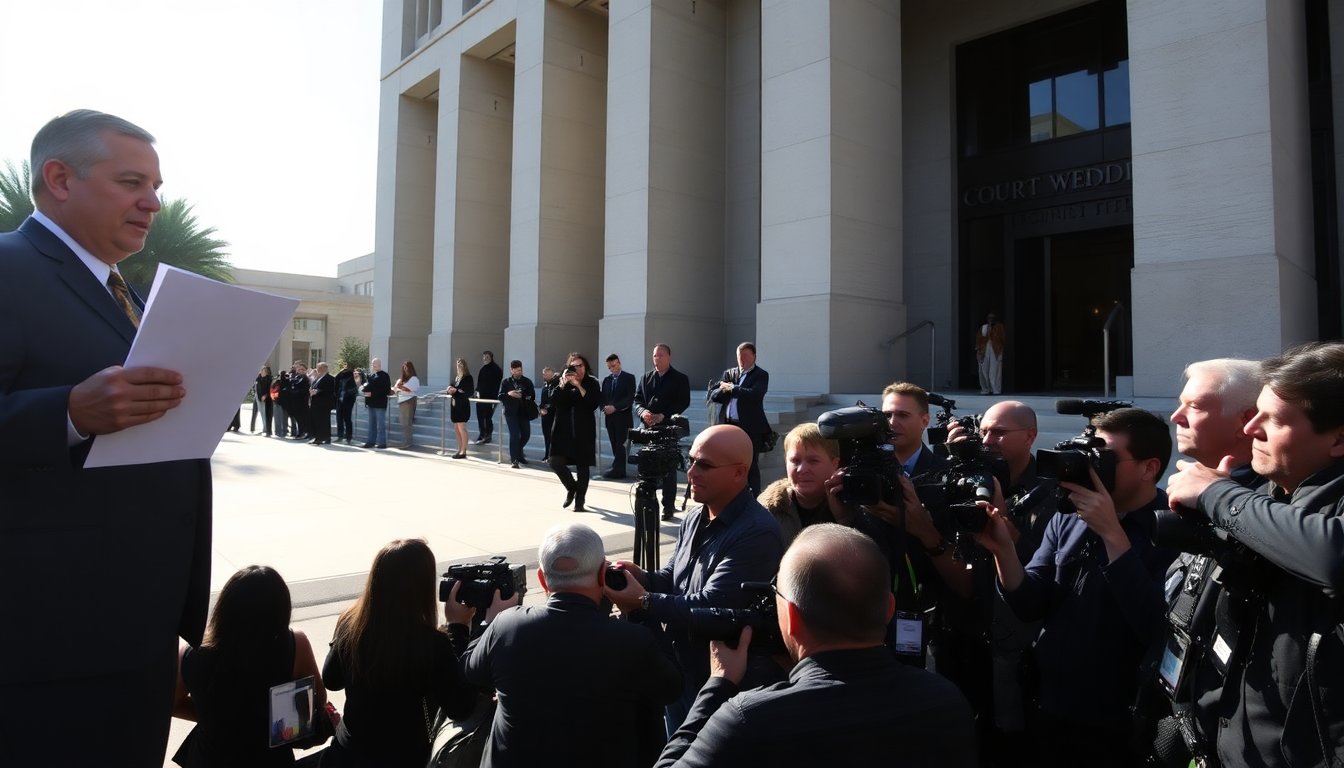
In a significant legal development, Ryan Wedding, a former Olympic snowboarder, has entered a not guilty plea in a courthouse located in Santa Ana, California. This unexpected turn of events comes as he faces serious charges, including murder and drug trafficking. The courtroom buzzed with anticipation as Wedding’s attorney, Anthony Colombo, addressed the media following the proceedings.
The background of the case
Ryan Wedding, originally from Thunder Bay, Ontario, was apprehended in Mexico after nearly a decade of evading law enforcement across multiple countries, including the United States, Canada, and Colombia. He faces serious allegations, including 17 charges such as conspiracy to export cocaine, operating a continuing criminal enterprise, and involvement in murders associated with drug trafficking. The international scope of these crimes presents significant jurisdictional challenges, complicating the legal proceedings.
Legal proceedings and next steps
During the initial court appearance, Wedding’s lawyer stressed that the indictments are accusations, not conclusive proof of guilt. The next court date is set for February 11, where a status hearing will assess the feasibility of the trial date scheduled for March 24. Colombo expressed doubts about the March timeline, indicating it may be unrealistic due to the case’s complexity.
Colombo anticipates a delay of at least six months, citing the extensive evidence that must be examined and the number of defendants involved. Wedding remains in custody, as the judge highlighted a lack of conditions to guarantee public safety or ensure his appearance at subsequent court dates. However, options for bond may be reconsidered in the future.
Potential penalties and implications
If convicted, Wedding could receive an automatic life sentence due to the charges of murder and drug trafficking. Although the case qualifies for the death penalty, legal expert Anthony Colombo suggests that the U.S. attorney’s office is unlikely to pursue this extreme measure. Life imprisonment without the possibility of parole is another likely outcome of these proceedings.
International ramifications
The situation is further complicated by Canada’s involvement. According to Robert Currie, a law professor at Dalhousie University, the presence of the death penalty could impede Canadian police cooperation with U.S. authorities. Canada has abolished the death penalty, which presents considerable obstacles for collaboration in evidence gathering or sending officers to testify.
Furthermore, if prosecutors pursue a life sentence without the possibility of parole, Canadian authorities would be unable to assist, as this has been deemed unconstitutional in Canada. There is speculation regarding Wedding’s potential cooperation with investigators, which could involve him providing information about his associates in exchange for a lighter sentence. This scenario might lead to plea negotiations, potentially resulting in reduced charges.
Canadian charges and extradition considerations
In addition to facing charges in the United States, Wedding encounters legal issues in Canada. He is implicated in a cocaine-import conspiracy that emerged during his time in Montreal, with reports suggesting that his group was a major supplier of cocaine in the Canadian market. Although there exists a legal framework that permits Canada to request Wedding’s extradition for these charges, such an action appears unlikely, given the ongoing collaborative efforts to prosecute him in the U.S.
Robert Currie emphasizes that while challenges may arise regarding the jurisdiction of the charges, the adaptability of international law concerning cross-border crimes suggests these challenges are unlikely to succeed. As this case progresses, both legal experts and the public will closely monitor the developments in the proceedings.