
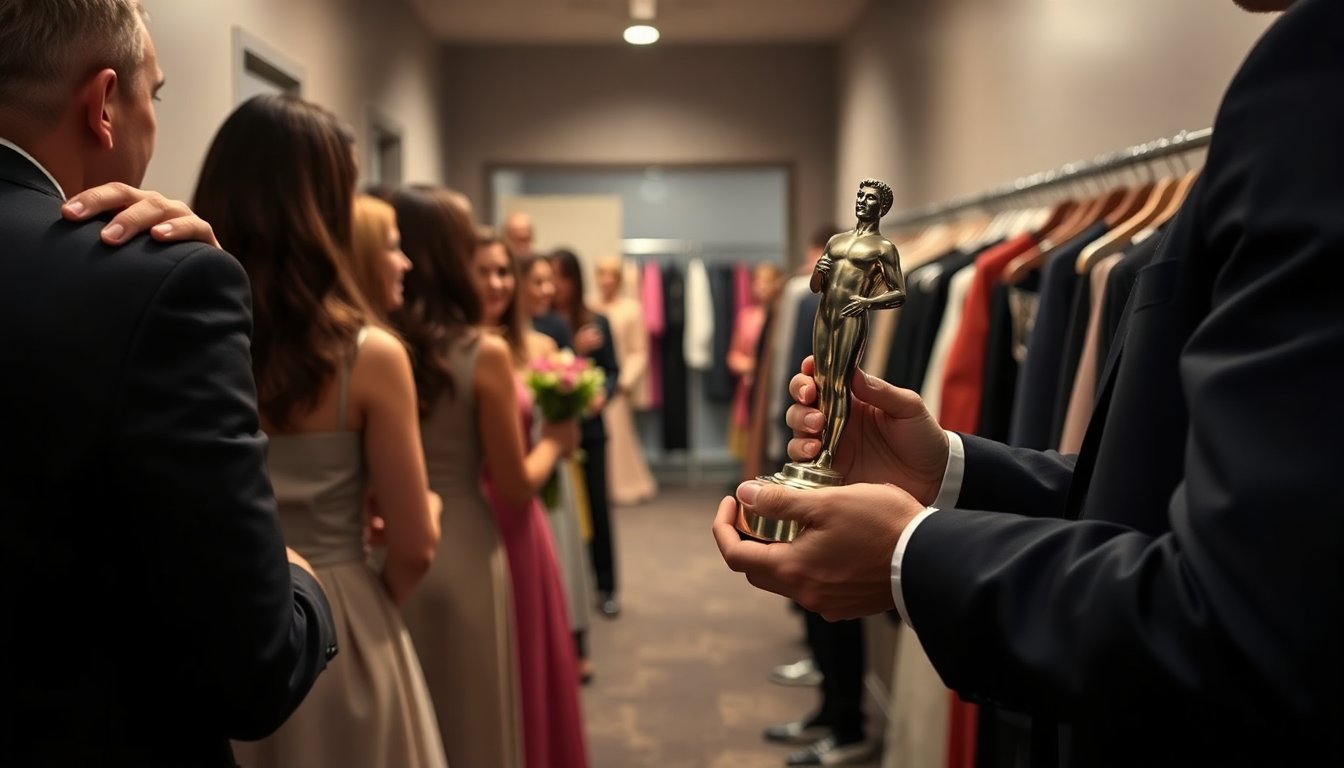
The annual guild celebration for screen performers blended familiar warmth with a few unexpected twists. Union-led and palpably collegial, the ceremony honored tight-knit casts and standout individual work alike, spotlighting films and shows that clearly resonated with both voters and viewers. Between playful backstage moments and heartfelt tributes, a handful of surprise wins nudged the awards-season conversation in new directions.
The night belonged to Sinners. The film walked away with the top ensemble prize and a leading actor trophy, a double win that underlined the movie’s persuasive group chemistry as well as a singular performance. On television, the workplace comedy The Studio and the medical drama The Pitt collected multiple honors, each series rewarded for the strengths that define them: sharp ensemble timing in one case, tense dramatic cohesion in the other. The program also paused for a warm, sometimes funny lifetime tribute to a long‑standing screen star — a moment that reminded everyone that this community values both legacy and collaborative craft.
Sinners’ sweep matters for reasons that go beyond the statuettes. When an ensemble is celebrated alongside a marquee acting victory, it shifts the industry’s yardstick for success. Casting depth, mutual chemistry and layered supporting parts receive new emphasis, and that changes how projects are marketed, sold to streamers, and greenlit in the first place. Studios and producers take note: ensemble recognition can translate into bargaining leverage, renewed promotional angles, and a rethink of where budgets are allocated.
That last point has practical implications for financiers and showrunners. Expect greater attention to casting breadth — more realistic budgets for supporting roles, and campaigns that foreground group dynamics as much as headline names. In short, projects built around a cohesive cast will be easier to sell as a creative and commercial proposition.
There’s a governance angle here as well. Applauding ensembles syncs with broader industry efforts around fair hiring, pay equity and transparency — the governance piece of ESG. Productions that publish clearer workforce metrics, adopt standardized hiring frameworks, and embed equitable contracting practices make a persuasive business case: reduced reputational risk, steadier creative teams, and often better long‑term returns. Concrete steps studios can take include standardized recruitment and pay frameworks for cast and crew, clearer reporting on diversity and workforce composition, and procurement practices that prioritize reuse and sustainability. Those moves don’t just score ethical points; they make a project more attractive to talent and to investors who prize transparency.
On the awards front, a couple of familiar patterns held true. Voters tend to reward actors who stretch expectations or successfully reshape their public image, and early wins from critics and precursor guilds still build momentum. This year, Sinners’ lead interrupted what had looked like a likely repeat for a rival, while the female lead prize simply reinforced a season of precursor victories for its recipient, cementing her status as the front‑runner.
Supporting categories offered a livelier, less predictable palette. Winners embraced moral ambiguity and tonal risk — from a haunting performance in a wartime drama to a spellbinding turn in a fantasy‑tinged picture. Those choices underscore that supporting awards frequently lift up genre work and daring character work, not just the safest prestige pieces.
Television once again favored ensembles. The Studio dominated comedy categories, claiming both ensemble and lead actor awards and receiving a posthumous honor for its late star — accepted on her behalf by a co‑star who celebrated her generosity and comic instincts. On the drama side, The Pitt’s ensemble win and lead actor prize signaled strong peer support and reaffirmed the show’s position in the season’s conversation.
All told, the evening fused celebration with a few practical takeaways: ensembles are gaining currency as a marker of quality; voters reward risk and reinvention; and there’s growing appetite for governance-minded production practices. That combination could reshape how projects are assembled, financed and promoted in the months ahead.