
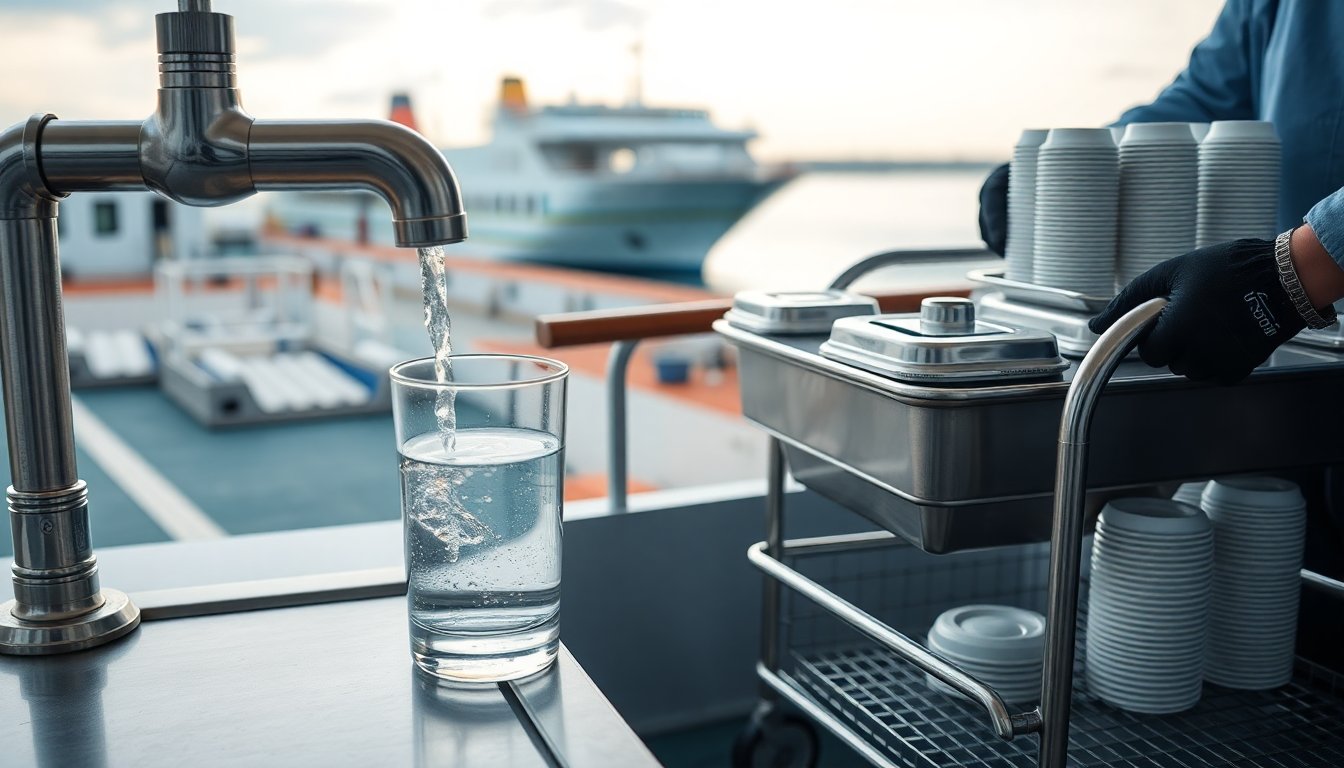
On March 31, 2026, BC Ferries announced that potable water and full food service have been reinstated on the Salish Raven after elevated lead readings were identified in an initial sample last week. The vessel, which operates between Swartz Bay and the Southern Gulf Islands — including Galiano, Pender and Mayne islands — was placed under temporary restrictions while crews and health authorities completed follow-up work. The company said that multiple additional samples were taken and analyzed by two independent laboratories, and that those results met applicable safety standards, permitting a return to normal onboard services.
BC Ferries emphasized its routine approach to water surveillance across the fleet and noted close coordination with Public Health during the investigation and clearance process. Earlier in March there were unrelated incidents in which E. coli and coliform bacteria were detected on the Queen of Alberni and the Salish Orca, prompting temporary suspensions of food service while potable water was checked and restored. Last week the operator also performed a system flush after reports of discolored water on the Queen of Cumberland. Those vessels have since had their potable water service restored as well.
What the follow-up testing involved
Once the initial elevated lead signal was found, BC Ferries restricted use of onboard tap water as a precaution and carried out a program of targeted sampling throughout the ship’s water system. The follow-up campaign included collection of multiple samples from different locations on the vessel, which were sent to two independent accredited laboratories for analysis. Those tests checked for a range of parameters with emphasis on lead concentration relative to regulatory limits; after laboratory results were returned and reviewed by Public Health, BC Ferries lifted the restrictions and confirmed the supply now meets safety standards. The operator also completed any recommended remedial actions, such as flushing and isolation of affected plumbing segments.
How BC Ferries monitors and responds
BC Ferries described its testing program as routine and systematic, with scheduled sampling of potable water systems across the fleet and additional testing when an anomaly is detected. The organization stressed that it relies on expert oversight from Public Health to determine whether broader notices are required or if corrective steps suffice. In practical terms, that means the company collects samples, awaits independent lab results, and then works with health officials to decide whether to restrict water use, conduct a system flush, or resume normal operations. That layered review intends to protect passengers and crew and to maintain confidence in onboard services.
Operational impact and passenger experience
The temporary restriction on drinking water had immediate operational consequences: food service was paused while crews completed testing and remedial work, and passengers were notified through the operator’s usual alert channels. Once follow-up results confirmed compliance with safety standards, kitchens resumed full service and water outlets were reenabled. BC Ferries noted that disruptions were brief and managed to minimize inconvenience to travelers on the Swartz Bay–Gulf Islands route. Crew members followed established protocols for communication and mitigation while Public Health oversaw the clearance criteria.
Practical advice for travellers
Passengers who travel on BC Ferries should look for official notifications when an issue arises and follow any on-board instructions. The company recommends consulting its service alerts and speaking with crew if there is concern about water or food service. Now that the Salish Raven has been cleared, tap water is considered safe to drink and food service is back in operation. Travelers who remain concerned can request additional information from BC Ferries or Public Health, and the operator encourages anyone with health-related symptoms to seek medical advice promptly.
Looking ahead: continued surveillance
BC Ferries said it will continue routine sampling and immediate follow-up whenever anomalies are detected, using independent laboratory analysis and public health review as key components of its response. The company framed the recent events as an example of those safeguards in action: an initial detection prompted swift precautionary measures, thorough testing and remediation, and a timely return to normal service when results warranted it. For passengers, the essential takeaway is that the Salish Raven‘s water now meets safety standards and that the operator remains committed to ongoing testing and transparent coordination with health authorities.


