
Table of Contents
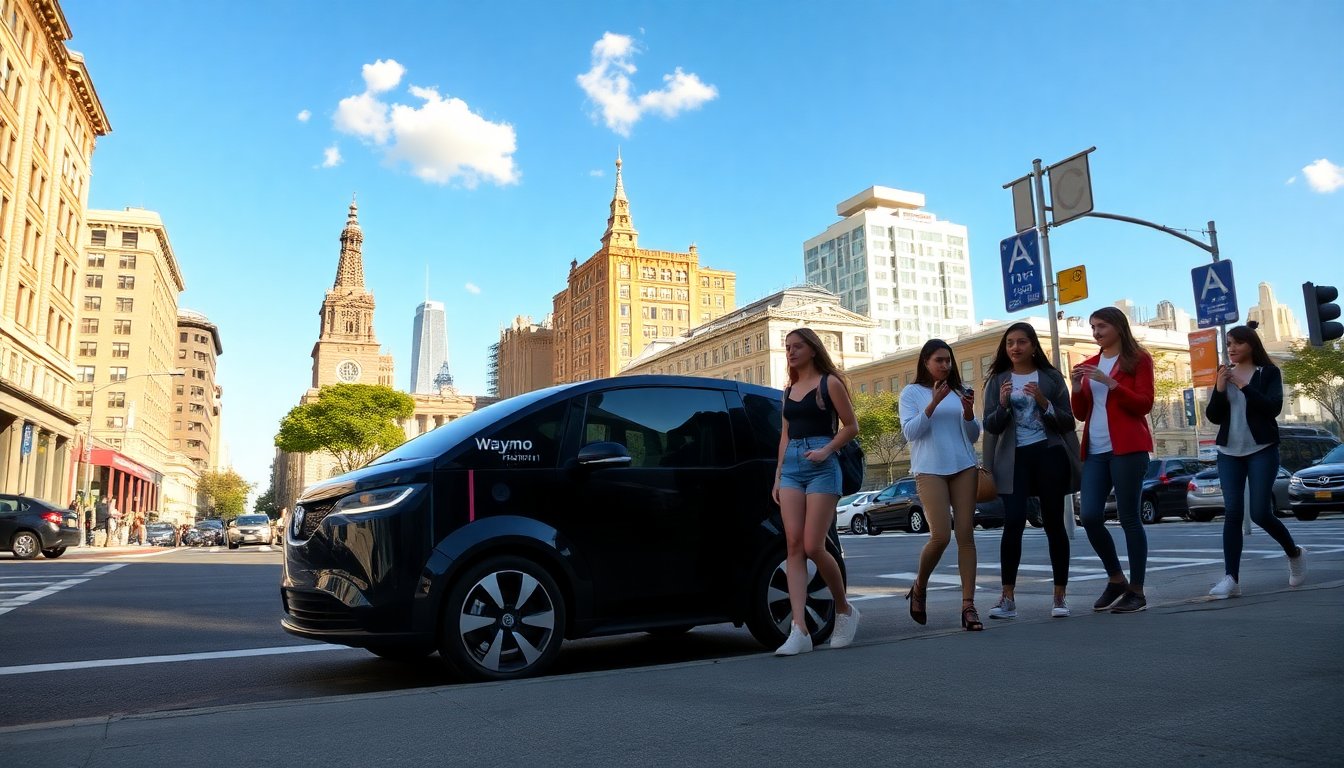
In San Francisco, families are increasingly using Waymo’s autonomous vehicles for their teenagers’ independent transportation. This trend raises significant questions about safety and regulatory compliance, as current guidelines and state laws prohibit unaccompanied minors from using these self-driving cars.
Megan Schmidt, mother of a 14-year-old, told the San Francisco Chronicle that this practice has become routine. “When the kids need to get somewhere, we just say, ‘get them a Waymo,'” she noted, highlighting how these vehicles have become a modern solution for busy parents.
The convenience of automated transport
Many parents view the self-driving Waymo cars as a safer alternative to public transportation or inexperienced teen drivers. The ease of summoning a robotaxi allows children greater independence while saving parents valuable time.
Laura Mancuso, another San Francisco parent, expressed her satisfaction: “We realized it would simplify our lives. Aside from the cost, which was a bit frustrating, I had no complaints.” Her experience reflects a growing enthusiasm among parents who appreciate this technological advancement.
Regulatory challenges and community response
Despite the excitement around these vehicles, significant regulatory challenges persist. Waymo has tested allowing teens aged 14 to 17 to use their service in Phoenix with parental permission, but California has not yet implemented similar policies. This regulatory gap leaves many parents concerned about the safety of their children traveling alone in these vehicles.
Furthermore, the rise of Waymo has led to protests from advocacy groups. On January 14, a group gathered outside a Waymo depot in Bayview to voice concerns about the safety of autonomous vehicles. Protesters highlighted potential risks, particularly during emergencies like earthquakes, when these vehicles may become inoperable and obstruct emergency services.
Transport workers express concerns
Critics, such as Steve Zeltzer from the United Front Committee for a Labor Party, argue that Waymo vehicles could compromise public safety during emergencies. For instance, during a recent power outage, several Waymo cars became stranded, blocking roads and hindering first responders. Such incidents have led to calls for greater accountability from the company.
Mark Gruberg, a longtime taxi worker, echoed these concerns, emphasizing the effect of robotaxis on traditional transport jobs. “We’re all in the crosshairs as these systems take over,” he stated, warning that automation might make human drivers obsolete and affect service quality.
Voices of support for robotaxis
Not all feedback on Waymo’s services has been negative. Many disability advocacy groups have applauded the accessibility and convenience of robotaxis. For individuals with disabilities, traveling without relying on human drivers can be empowering. Tony Stephens, an advocate from the American Foundation for the Blind, highlighted the comfort robotaxis provide, particularly for those who have faced discrimination from human drivers.
As Waymo expands its operations across the Bay Area, having received approval to operate on certain freeways and at San Jose’s airport, the company is committed to engaging with the communities it serves. “Waymo aims to be the world’s most trusted driver, enhancing safety, accessibility, and sustainability for all riders,” said spokesperson Katherine Barna, underscoring the company’s dedication to addressing community concerns.
Megan Schmidt, mother of a 14-year-old, told the San Francisco Chronicle that this practice has become routine. “When the kids need to get somewhere, we just say, ‘get them a Waymo,'” she noted, highlighting how these vehicles have become a modern solution for busy parents.0