
Table of Contents
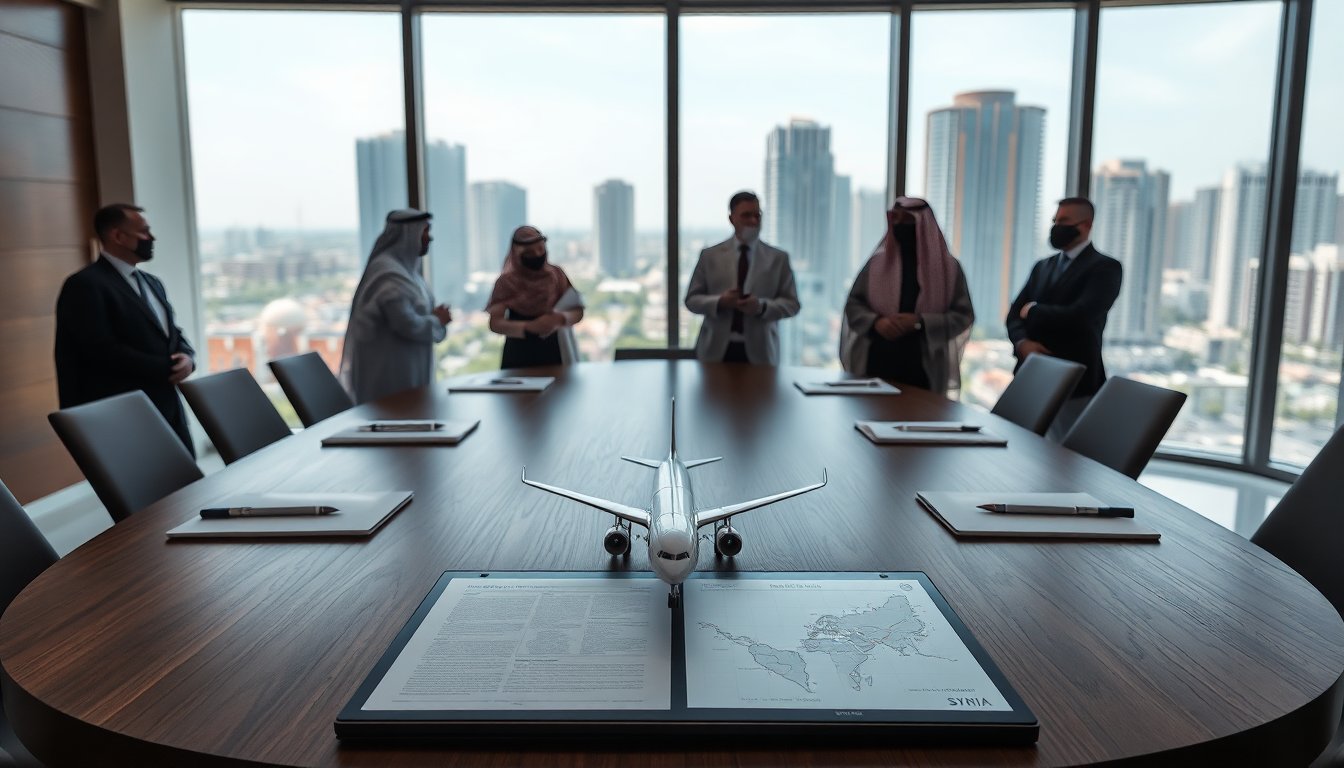
In a notable shift in regional dynamics, Saudi Arabia and Syria have recently entered into several key agreements aimed at revitalizing their economies. This development comes as Syria seeks to rebuild after enduring years of devastating conflict. The collaboration includes a joint airline initiative and a substantial $1 billion investment in telecommunications infrastructure.
The backdrop of these agreements is pivotal, as it highlights the changing political landscape in the Middle East. With Syria’s previous government under Bashar al-Assad having faced significant international sanctions, the recent lifting of these restrictions creates a fertile ground for new economic partnerships. This article delves into the implications of these agreements and the broader context of Syrian reconstruction.
New agreements signal economic revival
The recently signed agreements between Saudi Arabia and Syria represent a significant commitment to economic cooperation. The establishment of a joint airline is set to enhance connectivity and increase travel opportunities between the two nations. Such moves are more than mere economic transactions; they are essential steps toward fostering regional stability and integration.
Additionally, the telecommunications project aims to modernize Syria’s communications infrastructure, which has suffered greatly during the years of conflict. By investing in telecommunications, Saudi Arabia not only aids Syria’s recovery but also positions itself as a crucial player in the region’s economic landscape. This investment is expected to create jobs and stimulate growth in various sectors, marking a new era of collaboration.
Impact on regional politics
The political ramifications of these agreements extend beyond economic factors. Saudi Arabia, having historically supported various factions within Syria, is now taking a more active role in shaping the country’s future. The new Syrian authorities have been keen on attracting foreign investments, and the agreements with Saudi Arabia are a clear indication of their intent to re-establish international relations.
Moreover, the lifting of sanctions, particularly those imposed under the Caesar Act, plays a critical role in this transformation. The United States’ decision to ease restrictions has facilitated a more conducive environment for foreign investments, making Syria an attractive destination for business opportunities. This shift is crucial for Syria, which is grappling with a dire need for economic revitalization amidst ongoing challenges.
Challenges ahead for reconstruction
Despite the optimistic outlook created by these agreements, Syria still faces numerous hurdles in its path to recovery. The economic landscape remains fraught with challenges, including high inflation rates and a lack of transparency in financial institutions. As the country moves forward, it will require not only investment but also a robust governance framework to ensure that funds are utilized effectively.
The Syrian government must enhance its institutional credibility to attract further investments. This involves improving transparency and accountability within its financial systems, which will serve as a critical factor in building trust with international investors and financial institutions. Without these measures, the potential for economic growth may be stifled.
Long-term prospects for Syria
Looking ahead, the agreements with Saudi Arabia could pave the way for a broader regional engagement. As Syria continues to rebuild, the potential for partnerships with other nations in the region may expand. Collaborative projects in energy, infrastructure, and trade could emerge, significantly transforming Syria’s economic landscape.
The recent agreements between Saudi Arabia and Syria stand as a testament to a new chapter in their diplomatic relations. While the road to recovery is laden with obstacles, the commitment to mutual cooperation marks a hopeful beginning for Syria as it navigates the complexities of rebuilding its economy and society. The international community’s engagement will be pivotal in this journey, influencing not only Syria’s future but also the stability of the entire region.