
Table of Contents
In the political arena, negotiations often resemble a high-stakes game. Currently, Senator Lindsey Graham of South Carolina is taking center stage. As discussions surrounding a revised government funding package intensify, Graham is set to deliver a significant address on Friday morning, outlining his reasons for obstructing the bill’s progress.
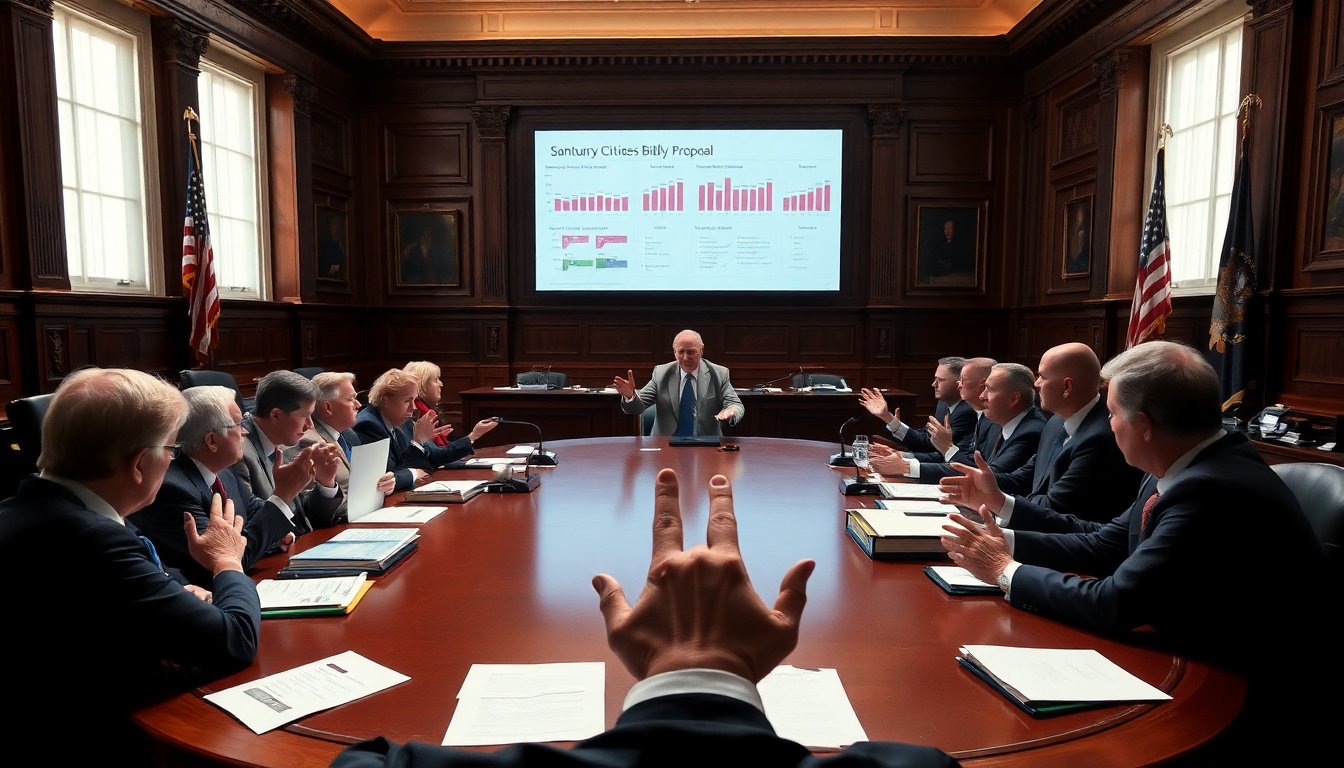
At the heart of Graham’s strategy is a demand for a vote on legislation targeting local officials who support sanctuary cities. He contends that tackling issues related to these cities is essential for Republicans, particularly as they aim to regain control over the narrative surrounding the ongoing border crisis and illegal immigration.
Funding negotiations and political leverage
With a two-week funding window for the Department of Homeland Security (DHS), Graham and his fellow Republican lawmakers view this as an opportunity to reclaim the immigration debate. They argue that securing a vote on their proposed legislation concerning sanctuary cities is crucial to their broader strategy.
Demands for expanded legal rights
In addition to focusing on sanctuary cities, Graham is advocating for a vote that would extend the legal right to sue to more individuals who were surveilled under investigations led by former Special Counsel Jack Smith. His proposal seeks to broaden the list of those eligible to seek damages from Smith’s actions, especially after a provision allowing certain Republican lawmakers to sue for $500,000 was removed from the spending package.
Graham’s initiative aims to protect members of Congress by imposing stricter limitations on investigations that could lead to the acquisition of telephone metadata. He argues that such measures are necessary to prevent what he describes as fishing expeditions that compromise the privacy of lawmakers.
Democratic response and implications
As Graham pushes for these amendments, tensions are escalating within the House of Representatives. Democratic leaders have expressed skepticism regarding the Senate’s funding deal, suggesting it undermines critical funding for the DHS. Among them, House Minority Leader Hakeem Jeffries has been particularly vocal about the need to hold Secretary Kristi Noem accountable for her management of DHS amid growing criticism.
In a show of support for Noem, former President Donald Trump has publicly praised her efforts to secure the southern border, countering calls for her impeachment from several Democratic representatives. Trump’s remarks underscore the stark divide between the parties as they navigate issues of national security and immigration.
Electoral strategies and future implications
The ongoing struggle over funding and immigration policy highlights the larger electoral strategies at play. With the potential for a government shutdown looming, Graham’s readiness to hold the funding package hostage for his legislative priorities reflects a calculated approach to build political capital. By framing his demands around the controversial topic of sanctuary cities, he seeks to rally support from Republican constituents who prioritize strict immigration enforcement.
As the deadline for funding approaches, all eyes will be on the unfolding negotiations. Graham has indicated a willingness to allow the funding package to progress if his stipulations are met, signaling a readiness to engage in compromise while still asserting his political agenda.
The outcome of these discussions will not only impact current funding for DHS but may also set the stage for future legislative battles surrounding immigration policy and the authority of local governments in managing their immigration enforcement.