
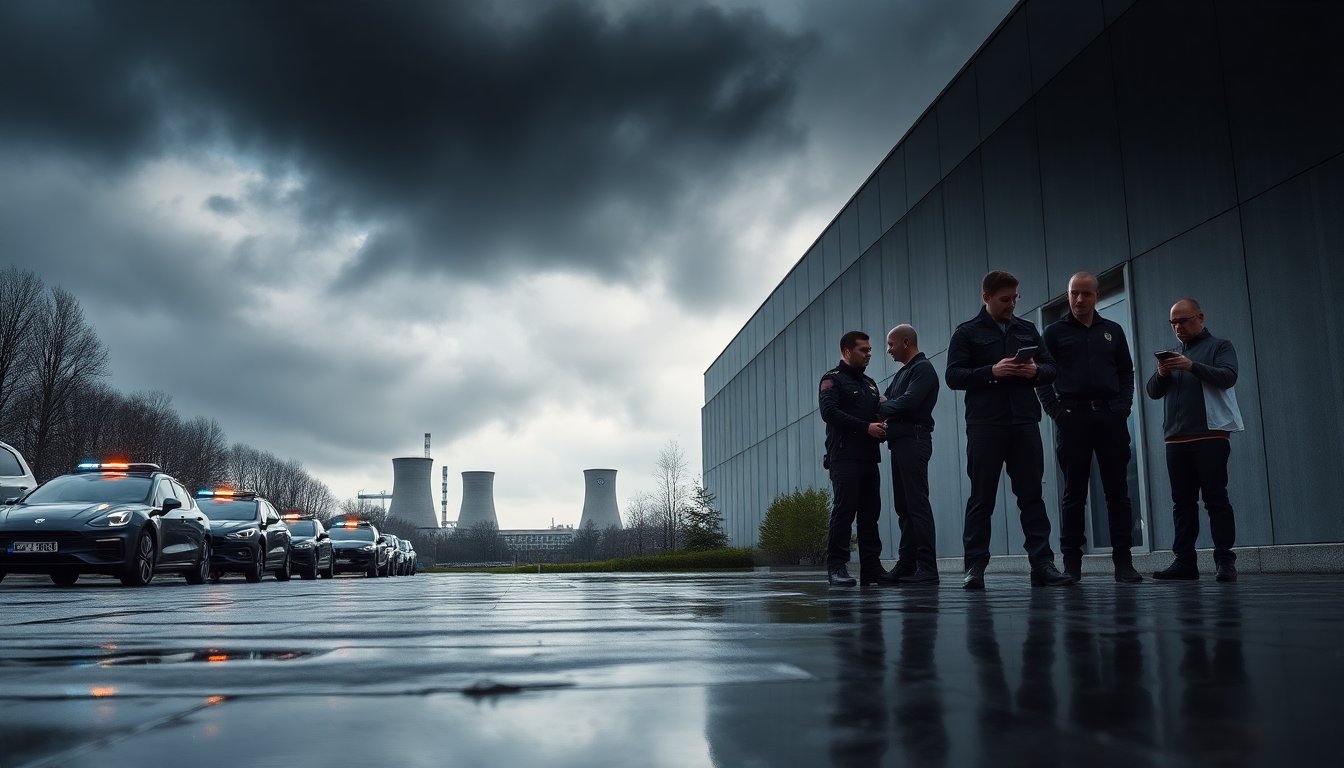
The recent arrest of a senior executive from Rosatom, Russia’s state nuclear energy corporation, has sent shockwaves through governmental and industry circles. Mikhail Shcherbak, who served as director of capital construction at Atomstroyexport, was taken into custody by federal agents on allegations of financing military efforts in Ukraine. This incident raises important questions about the internal dynamics of Russia’s nuclear sector and highlights the broader implications of international conflicts on nuclear energy projects.
Shcherbak has been a prominent figure in the nuclear construction industry for nearly two decades. He has extensive experience in various international projects, including significant endeavors in Iran and Belarus. His arrest underscores the precarious balance between national security and international collaboration in nuclear energy, particularly amid current geopolitical tensions.
Background of Rosatom and Atomstroyexport
Rosatom, the state corporation responsible for nuclear energy in Russia, holds a significant position in the global nuclear landscape. Its subsidiary, Atomstroyexport, oversees the construction and management of nuclear power plants both domestically and internationally. Reports indicate that approximately 80 percent of Atomstroyexport’s revenue is generated from foreign projects, illustrating the importance of international partnerships for Russia’s nuclear ambitions.
Currently, Rosatom is engaged in constructing at least ten nuclear power facilities across different countries, including critical projects like the Kudankulam plant in India and the Akkuyu plant in Turkey. The latter has faced difficulties, including work stoppages due to protests over unpaid wages from subcontractors. Rosatom attributes these delays to interference from nations deemed unfriendly to Russian interests.
Significance of international projects
Shcherbak’s role encompassed various high-profile international projects, reflecting the scope of Russia’s nuclear diplomacy. Notably, he was involved in developing the Bushehr nuclear power plant in Iran, a project rooted in the 1970s that gained momentum after Russia’s involvement in the late 1990s. Recent military tensions in the region, particularly Israeli operations leading to site evacuations, further complicate the situation.
Additionally, Shcherbak’s travels to Iran and Belarus, as revealed by leaked border control documents, indicate his active involvement in overseeing nuclear projects critical for energy production and geopolitical alliances. His recent trips to Abkhazia to manage local construction projects demonstrate Rosatom’s broader push to expand its influence and partnerships beyond traditional borders.
Implications of the arrest
The implications of Shcherbak’s arrest are profound. It raises crucial questions about the funding mechanisms within Rosatom and their alignment with Russia’s military objectives. As the lines between civilian nuclear projects and military funding blur, the international community must scrutinize the activities of state-owned enterprises like Rosatom more closely.
Moreover, the arrest reflects the increasing scrutiny faced by Russian officials amid international sanctions and political isolation. As nations reassess their relationships with Russia, the future of joint nuclear projects may be jeopardized, affecting energy security and international diplomatic relations.
Future of nuclear collaboration
The ongoing situation presents a pivotal moment for nuclear collaboration globally. Countries engaged in partnerships with Rosatom may need to reconsider the implications of their associations, especially in light of potential sanctions or reputational risks. The fallout from this arrest could lead to a reevaluation of international contracts and partnerships aimed at nuclear development.
The arrest of Mikhail Shcherbak serves as a stark reminder of the complex interplay between energy, security, and international relations. As Rosatom continues to navigate these turbulent waters, its future projects may face heightened scrutiny, potentially reshaping the global nuclear landscape in response to the evolving geopolitical climate.


