
Table of Contents
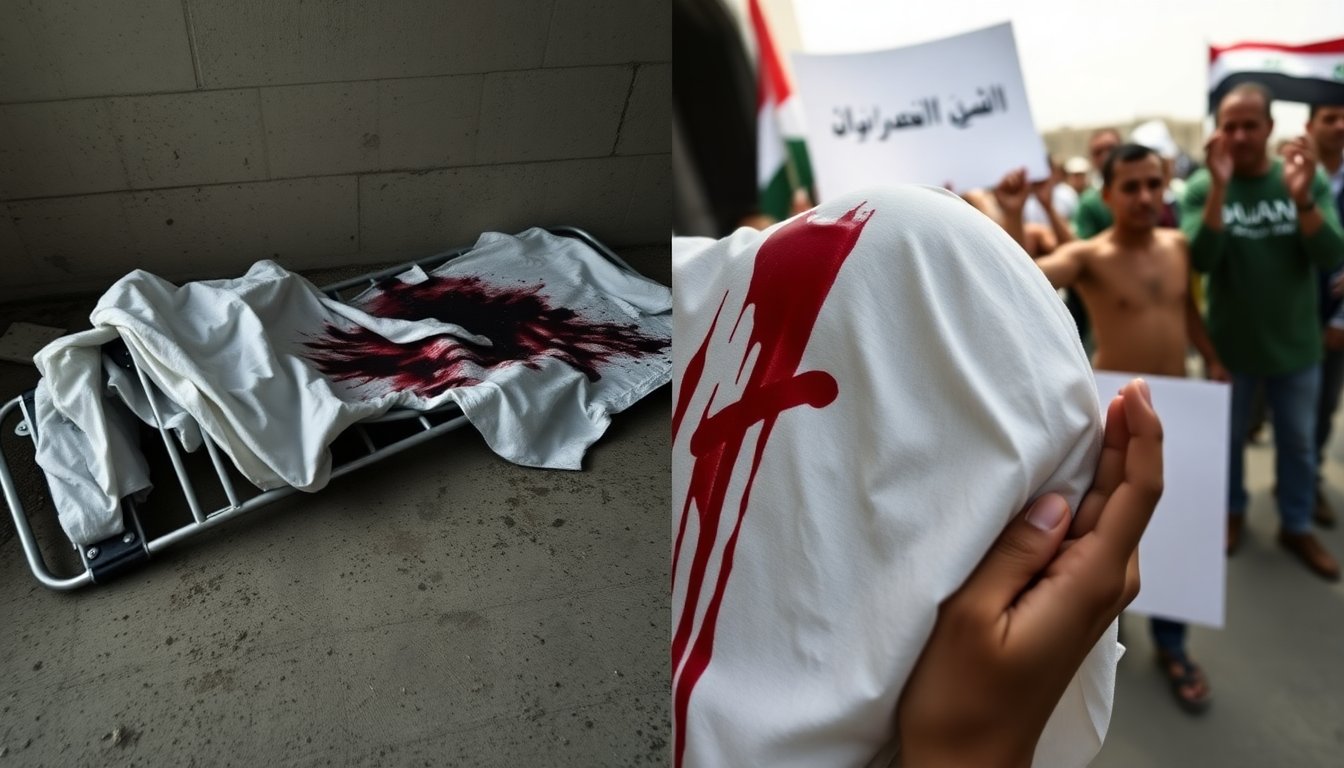
On March 25, 2026, Iraqi authorities reported that an aerial strike on a military base in western Iraq‘s Anbar province killed seven fighters and wounded 13. The Iraqi Ministry of Defence said the attack hit the military healthcare clinic at the Habbaniyah base, a site reportedly shared by Iraq’s regular forces and brigades of the Popular Mobilisation Forces (PMF). Baghdad characterized the incident as a “heinous crime” and a violation of international norms, while U.S. officials denied that the clinic itself was deliberately targeted.
The base at Habbaniyah has been identified by Iraqi sources as housing elements of the PMF, a heterogeneous umbrella organization that includes units aligned with Iran. A police source told international reporters that the strikes appeared to have struck positions held by Iran-aligned factions inside the wider installation. The PMF issued a sharp condemnation, calling the action a “blatant aggression” and urging national unity in the face of what it described as an unacceptable assault on Iraqi security forces.
What happened at Habbaniyah
Accounts of the incident indicate that the attack struck the same base that suffered a separate, deadly strike the day before, which local groups blamed on U.S. operations and which killed 15 fighters, including a commander. Iraqi military spokespeople and reporting teams say the Wednesday strikes involved multiple munitions delivered in sequence, with medical facilities among the locations hit. The casualty totals and the target descriptions have fed a dispute between Baghdad and Washington: Iraq insists the clinic and government positions were hit, while American officials have rejected the claim that a medical facility was intentionally targeted.
Diplomatic and political fallout
Baghdad responded swiftly on the diplomatic front. The Iraqi prime minister ordered the Ministry of Foreign Affairs to summon the United States charge d’affaires in Baghdad and to lodge a formal complaint with the United Nations Security Council and other international bodies. Iraqi officials warned that the incident could seriously strain bilateral ties and jeopardize cooperation on security and reconstruction. In parallel, the Iraqi government reaffirmed a previously granted right to respond for the PMF, signaling that paramilitary units now have an officially recognized mandate to retaliate against attacks that target them.
Iraq’s legal and political responses
Beyond summoning the U.S. envoy, Baghdad has publicly said it will summon the Iranian ambassador in connection with recent strikes involving former paramilitaries and Kurdish security forces, a sign of how the fallout extends to Tehran. Iraqi leaders plan to escalate the matter through international forums, framing the strikes as violations of sovereignty that warrant multilateral scrutiny. Officials say formal complaints to the United Nations aim to document the incidents and to pressure external actors to respect Iraqi territory and minimize civilian and institutional harm.
Potential regional implications
The episode is part of a broader pattern since the outbreak of the war between the United States and Iran that has seen reciprocal strikes and an accelerated tempo of engagements across the region. U.S. defense officials have acknowledged that combat helicopters have conducted strikes against pro-Iran armed groups inside Iraq during the current conflict, underlining how Baghdad risks becoming a contested battlefield. Analysts warn that repeated attacks on positions within Iraqi bases raise the chance of miscalculation and could pull Iraq more deeply into regional combat dynamics.
Why the incident matters
This event matters because it touches on core issues of sovereignty, force protection, and the blurred lines between state and non-state actors. The presence of Iran-aligned brigades inside government installations complicates the conventional distinction between national forces and militias. As Baghdad contemplates legal action at the UN and asserts the right to respond for the PMF, the potential for localized retaliation grows. For U.S.-Iraq relations, repeated strikes tied to the wider Iran war risk undermining cooperation and inflaming domestic political pressures in Baghdad to take a harder line against foreign military actions.
As international and Iraqi officials sift through reports and prepare diplomatic steps, the incident at Habbaniyah on March 25, 2026, stands as a flashpoint. Observers say de-escalatory channels, transparency about targets, and adherence to international law will be crucial to prevent further deterioration of stability in Iraq and across the region.