
Table of Contents
Southeast Asia faces humanitarian crisis after severe flooding
In the aftermath of catastrophic flooding and landslides, Southeast Asia is grappling with a humanitarian crisis that has claimed more than 1,000 lives across Indonesia, Sri Lanka, and Thailand. With fears growing for the hundreds still unaccounted for, authorities are intensifying efforts to deliver aid to those affected by the relentless storms.
Indonesian President Prabowo Subianto has assured citizens that assistance is on its way. During his visit to the flooded regions of Sumatra, he emphasized the government’s commitment to rebuilding the infrastructure devastated by the natural disaster. The National Disaster Management Agency reported that flooding has displaced approximately 290,700 individuals across North Sumatra, West Sumatra, and Aceh provinces.
The scale of the disaster
The impact of the floods has been catastrophic, with Indonesia reporting the highest casualties. At least 469 lives have been lost in the archipelago, while Sri Lanka and Thailand have recorded 334 and 170 deaths, respectively. In Sri Lanka, rescuers are frantically searching for 370 missing individuals as nearly 148,000 people find themselves in temporary shelters following heavy rain that has devastated homes and agricultural land.
Challenges in response efforts
Despite the government’s assurances, many areas in Indonesia remain inaccessible due to damaged roads and disrupted communications. Supply deliveries have predominantly relied on aircraft, as floodwaters continue to hinder ground transportation, complicating rescue missions. President Prabowo acknowledged the severe challenges posed by the natural disaster, stating, “We need to confront climate change effectively,” urging local governments to take proactive measures to mitigate future incidents.
In Thailand, the situation is equally dire. Prime Minister Anutin Charnvirakul outlined recovery plans for the southern provinces where floods have affected more than 3.8 million people. The Department of Disaster Prevention and Mitigation confirmed that severe flooding impacted 12 provinces, displacing countless families and leading to extensive damage.
Historical context and climate change connection
Historically, Sri Lanka has faced challenges during the monsoon season, yet the current figures are alarming. The recent flooding has surpassed the average death toll for this time of year, with the country reeling from the effects of Cyclone Ditwah. The National Disaster Management Centre reported that heavy rain has led to the displacement of over 78,000 people, with the death toll rising to at least 153 as rescue operations continue.
As climate change intensifies, the frequency and severity of such weather events have escalated. Experts are increasingly linking the rise in extreme weather phenomena to global warming, reiterating the necessity for robust environmental policies and disaster preparedness. The monsoon season in Sri Lanka, typically characterized by heavy rains and flooding, has taken an unprecedented toll this year.
Community resilience and recovery efforts
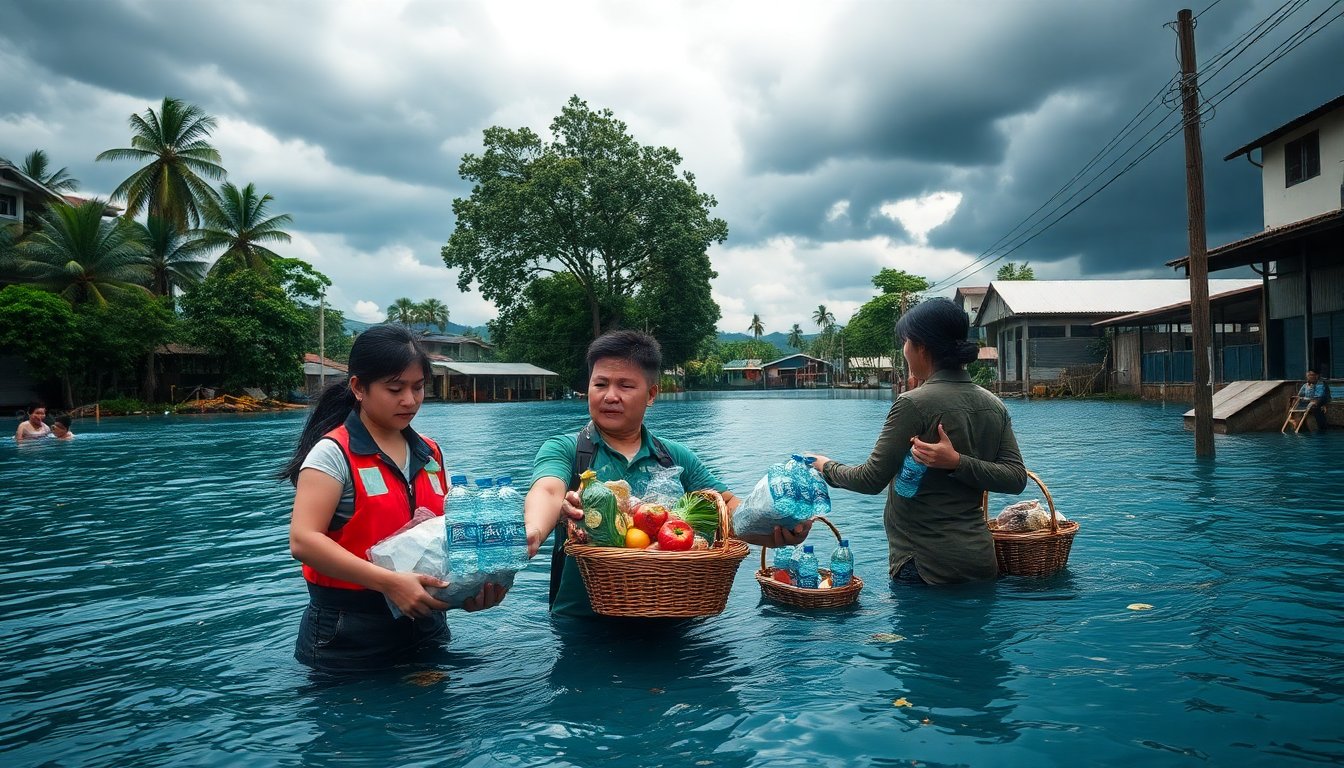
In response to the overwhelming devastation, communities are coming together to support one another. Local organizations are mobilizing to provide immediate assistance, including food, medical supplies, and temporary shelter for those displaced. The resilience of the affected populations is commendable, as they face the daunting task of rebuilding their lives amidst the ruins.
As governments across Southeast Asia work to restore normalcy, the lessons learned from this disaster will undoubtedly shape future policies regarding disaster management and climate resilience. The urgent need for infrastructure improvements, better forecasting systems, and community training programs cannot be overstated. With climate change expected to exacerbate the frequency of such disasters, proactive measures are essential to safeguard vulnerable populations.