
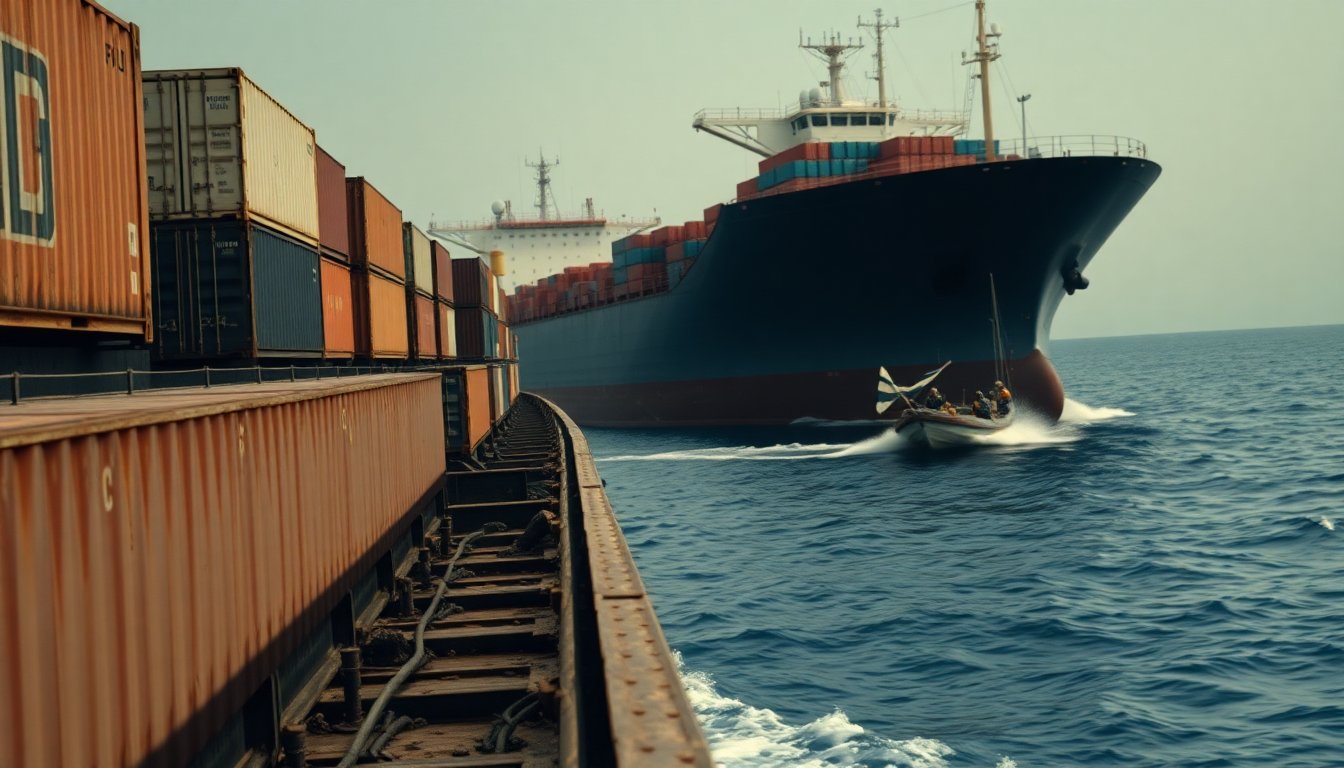
Strait of Hormuz Corridor Becomes Flashpoint After Strikes on Iran
The waters around the Strait of Hormuz have turned tense and unpredictable since coordinated U.S.–Israeli strikes on Iranian targets under Operation Epic Fury. On Feb. 28, authorities issued a rare, wide-ranging advisory urging commercial vessels to avoid the Persian Gulf, Gulf of Oman and parts of the Arabian Sea — a striking caution for one of the planet’s busiest energy chokepoints.
A surge of incidents followed the strikes, blending conventional attacks with sophisticated electronic interference. Regional outlets and maritime monitors reported explosions, projectile hits and significant disruptions to navigation and tracking systems. The result: immediate safety concerns and headaches for ship operators trying to move people and cargo through the corridor.
What happened, and how bad is it?
Maritime authorities, including the United Kingdom Maritime Trade Operations (UKMTO), recorded several events close to main shipping lanes. Accounts describe an explosion west of Sharjah, a projectile strike that ignited a controllable fire on a tanker north of Muscat, and another impact northwest of Mina Saqr that produced visible flames. Observers say the spike in activity mirrors heightened military movement after the strikes on Iran and warned that vessels perceived to have links with U.S. or Israeli interests might face greater danger.
Damage ranged from external blast effects to a hull strike above the waterline. Local coast guards and commercial operators moved quickly — containing fires, evacuating crew when necessary, redirecting traffic and placing search-and-rescue teams on alert. Port authorities offered firefighting support where needed. No large-scale sinkings were reported immediately, but the incidents prompted a rapid reassessment of whether transits through the area were worth the risk.
How shipping is reacting
Shipping companies and major carriers adjusted fast: some rerouted, some turned back to safer ports, and a number elected to avoid Iranian waters altogether. Crew safety and cargo integrity became the top priorities. The upshot was a visible thinning of traffic through the Strait of Hormuz, which normally handles about one-fifth of global oil and gas shipments.
Beyond route changes, the episode has immediate financial implications. Longer voyages, extra security measures and investments in electronic countermeasures raise costs for shipowners. Insurers and brokers signaled higher short-term premiums and a sharper demand for security advisories. Logistics providers are vetting port calls more strictly, all of which delays shipments and pushes up transport expenses — pressures that ripple into energy markets and global supply chains.
Electronic warfare and navigation disruptions
Physical attacks weren’t the only problem. Maritime-intelligence firm Windward documented widespread interference with satellite navigation and tracking systems, especially GPS and the Automatic Identification System (AIS). Analysts noted false vessel positions — some showing ships inexplicably inland — consistent with jamming or spoofing. Windward found AIS jamming clusters across waters near the UAE, Qatar, Oman and Iran, complicating monitoring for more than a thousand vessels and eroding situational awareness for both commercial and naval actors.
When digital positioning falters, crews must switch to manual navigation and rely more heavily on radar and local traffic services. That raises the risk of misrouting and near-misses while increasing workload and investigation times for fleet managers. Some vessels chose to switch off AIS to reduce exposure; others used it sporadically. Those tactics can protect individual ships but make broader traffic coordination and emergency response more difficult.
Practical responses and emerging practices
Industry players are adapting. Operators are cross-checking AIS feeds against radar and shore-based traffic services, hardening communications, and refining contingency plans. Shipowners are weighing whether to hire escorts or to adopt convoy-like transits, and insurers are revising risk models to account for electronic interference as well as kinetic threats. If disruptions continue, analysts expect routing patterns, pricing and insurance products to shift more permanently.
Geopolitical risks and escalation pathways
The combination of kinetic strikes and electronic tampering creates ambiguity that complicates attribution. That gray zone makes it easier for state or nonstate actors to escalate or obscure operations, and it forces cautious actors — from ship operators to insurers and port authorities — to consider precautionary measures like restricted transit lanes or escorted passages. In a volatile environment, small miscalculations can have outsized consequences.
A surge of incidents followed the strikes, blending conventional attacks with sophisticated electronic interference. Regional outlets and maritime monitors reported explosions, projectile hits and significant disruptions to navigation and tracking systems. The result: immediate safety concerns and headaches for ship operators trying to move people and cargo through the corridor.0