
Table of Contents
The trending moment: young voices on celebrity responsibility
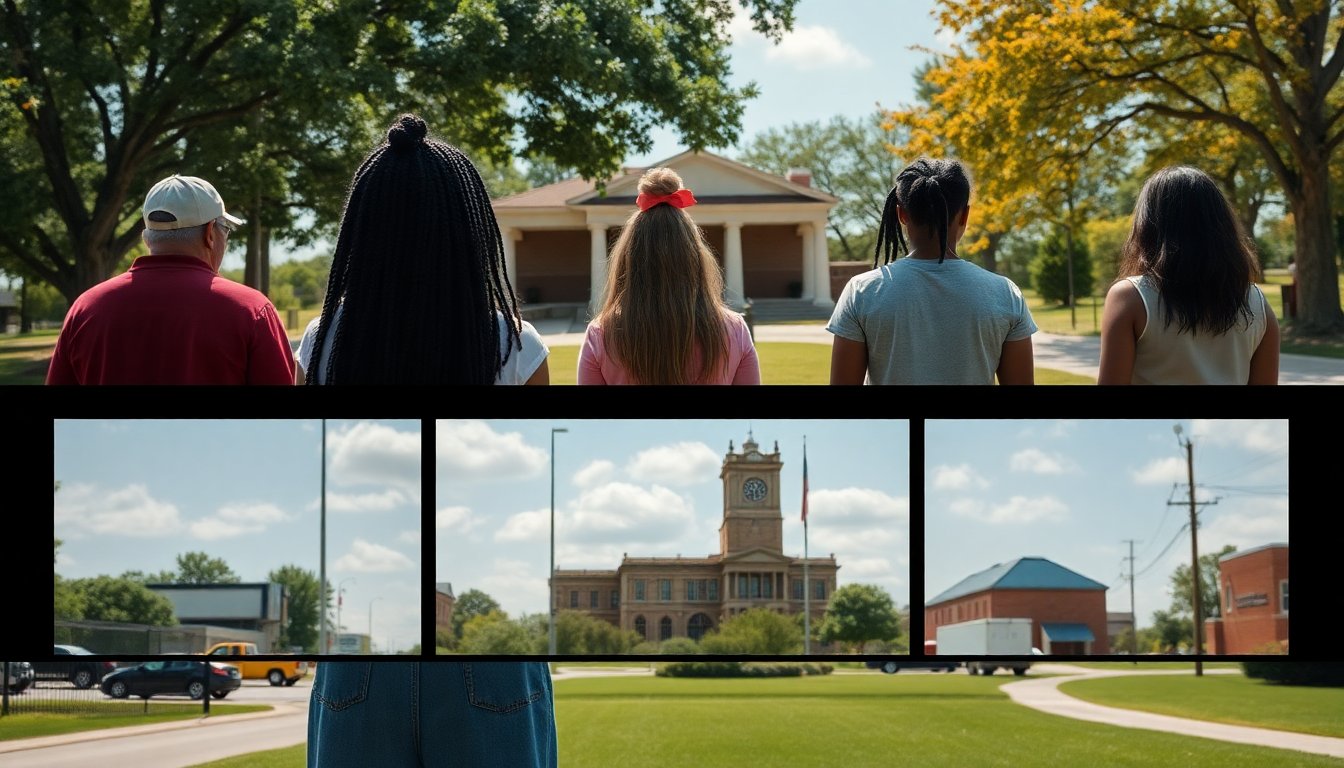
Who: five college students from Mississippi. What: brief responses on whether African American celebrities should speak out on community issues. Where: Greenwood, Magnolia, Gulfport, Yazoo City and Terry, Mississippi. Why: students weighed celebrities’ reach against personal freedom and the risk of performative statements. Their answers, concise and varied, map a generational perspective on fame, advocacy and civic visibility. The discussion captures both practical calculations about media attention and deeper ethical questions about obligation.
Expert insights: influence, authenticity and autonomy
Industry experts confirm that fame confers measurable reach and agenda-setting power. Carmen Harper, an 18-year-old biology/pre-nursing freshman from Greenwood, stressed that celebrities can direct attention and resources beyond the reach of many grassroots advocates. Others, including Trenton McDaniel, 19, an accounting freshman from Magnolia, argued that visibility does not create a moral compulsion to speak. He warned against performative responses following high-profile events. These perspectives juxtapose the factual power of media reach with concerns about authenticity and coerced expression.
How to weigh influence versus personal choice
Those in fashion—and in political communication—know that amplification can change outcomes. Ian Freightman, 19, a biology sophomore from Gulfport, and Joshua Mann, 18, a human development and family science freshman from Terry, took middle-ground positions. Both acknowledged the practical benefits when celebrities do speak, while rejecting the idea of imposed responsibility. Their views frame the issue as a balance between social utility and individual autonomy.
Community impact and visibility
Bra’Nya Crowder, 18, a criminal justice freshman from Yazoo City, tied celebrity speech directly to community benefit. She argued that African American public figures can illuminate overlooked problems and help generate policy attention. This stance emphasizes the civic role of public figures as agenda-setters and highlights how visibility can translate into real-world pressure.
What this debate implies going forward
Common threads emerge: broad agreement that celebrities possess influence, divergence on whether that influence implies obligation, and shared concern about authenticity. The trend that’s taking over is a discerning audience that values both impact and sincerity. Expect continued negotiation among audiences, media and public figures over what responsible engagement looks like, and watch for more nuanced forms of advocacy that prioritize sustained commitment over single statements.