
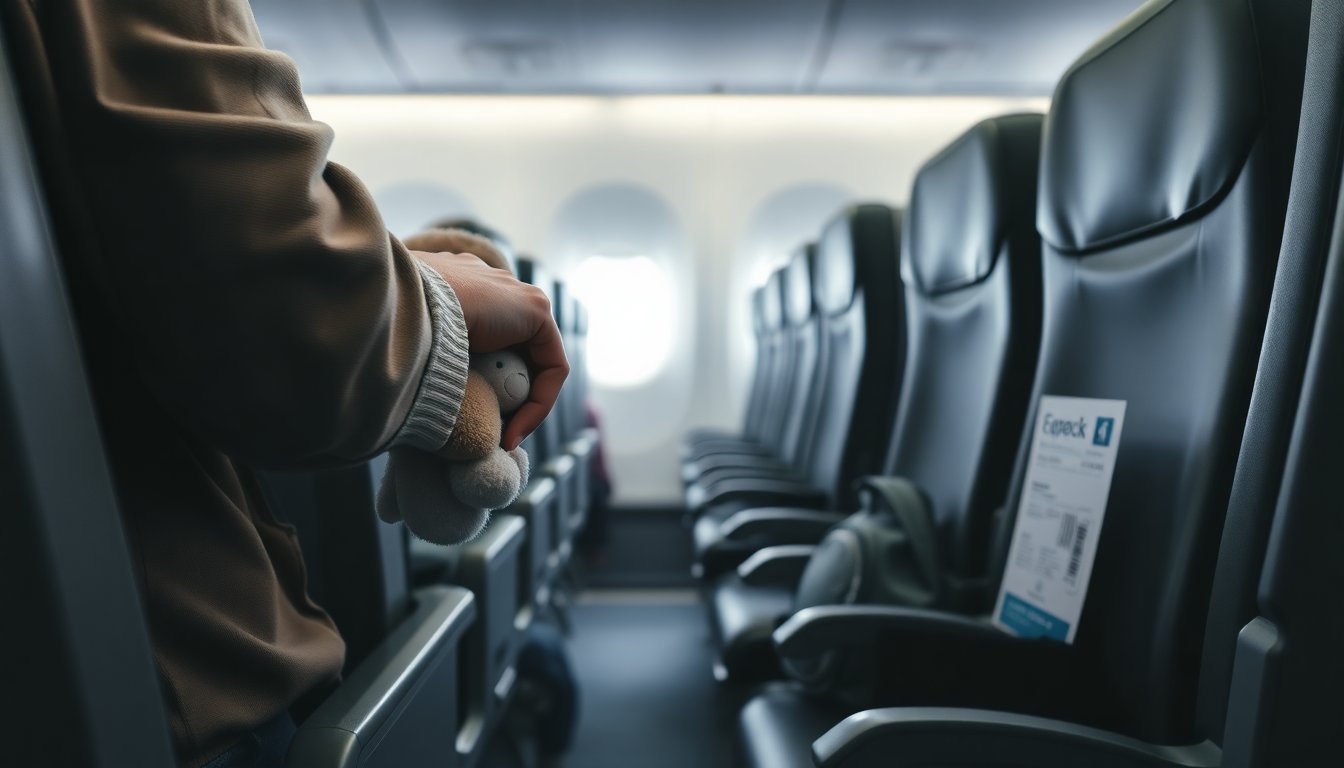
A family’s trouble finding seats together on a Southwest Airlines flight set off a heated online debate this week after a passenger posted that his wife and two young children were assigned seats in different rows. The family hadn’t paid to select seats; the carrier’s automated system assigned seats one by one. The post went viral and reignited arguments about airline policies, passenger responsibility and whether parents should get seating priority when they list a child’s age at booking.
Why this matters now
Southwest’s gradual shift away from its signature open boarding toward assigned seating has sharpened attention on how airlines place families. For parents, seat assignments aren’t just a comfort issue — they affect safety, supervision and the quality of the trip. For airlines, seat policy is a revenue and logistics challenge. The clash between low fares and predictable family travel is at the heart of the controversy.
Public reaction: who’s to blame?
Online reaction split into two predictable camps. Some people faulted the parents for not paying to reserve seats, pointing out that paid seat selection and upgrades are common ways passengers keep families together. Others said airlines should have a default duty to seat young children beside an accompanying adult, arguing that age information provided at booking should trigger protections.
What federal guidance and airline rules say
The U.S. Department of Transportation requires carriers to disclose their child and seating policies, including rules about lap infants and child restraint systems. But DOT guidance stops short of mandating that airlines guarantee adjacent seats for children. In short: regulators focus on disclosure and safety standards, not on telling carriers how to assign seats.
The DOT maintains a public dashboard that summarizes which carriers promise to seat children 13 and under beside an accompanying adult at no extra charge. According to that resource, Southwest — along with Delta, Spirit, Allegiant and United — does not make a broad, fee-free guarantee. Other airlines, such as Alaska, American, Frontier, Hawaiian and JetBlue, state they will seat children beside an accompanying adult under certain conditions. Those promises often come with caveats: they may apply only to contiguous ticketed parties, specific fare classes, or seats available at check-in.
Practical consequences and industry pushback
Without a binding federal rule, families can feel left to chance when flights are full. Advocates want regulators to require better safeguards; industry groups warn that strict family-seating mandates would add logistical complexity and cost, and could limit flexibility on crowded flights. Meanwhile, airlines point to aircraft layouts, inventory systems and revenue management as real operational constraints.
What families can do: practical travel tips
– Book seats when you can. Paying to select seats at booking is the most reliable way to keep a family together. – Read the fare rules. Low-cost fares often exclude free seat selection; factor that into your purchase decision. – Check in early. For airlines that assign seats only at check-in, being first online can improve your odds. – Use family-assistance options. Some carriers have family seating programs or assistance codes you can add to the reservation. – Talk to gate agents. Be polite but persistent — agents can sometimes reassign seats or arrange swaps. – Pack a small contingency. Keep essential items and a change of clothes with the caregiver seated with young children, in case someone must sit apart. – Consider nonstop routes. Fewer segments mean fewer seat-assignment events and less chance of disruption. – If needed, document and escalate. Note agent names and file a complaint with the airline; persistent problems can be raised with consumer groups or regulators.
Policy fixes that would help
Clear, enforceable company policies and better disclosure would reduce gate conflicts. Practical solutions include designated family rows, fare-class clarity for child seating, and booking tools that automatically pair children and guardians. Automated seat-pairing logic during booking or check-in could cut last-minute scrambling for gate staff and passengers alike.
Market forces and what comes next
Until regulators impose stricter rules, the market will shape how airlines balance price and family convenience. Carriers that reliably keep children next to caregivers may win loyalty from families and younger travelers. Advocacy groups will keep reporting on carrier practices, and public scrutiny is likely to grow as more airlines move to assigned seating. Parents should assume airlines differ and plan accordingly — reserve seats where possible, check policies before buying, and use early check-in and gate staff to resolve problems. At the same time, clearer industry standards or regulatory action would remove guesswork and make air travel less stressful for families.