
Table of Contents
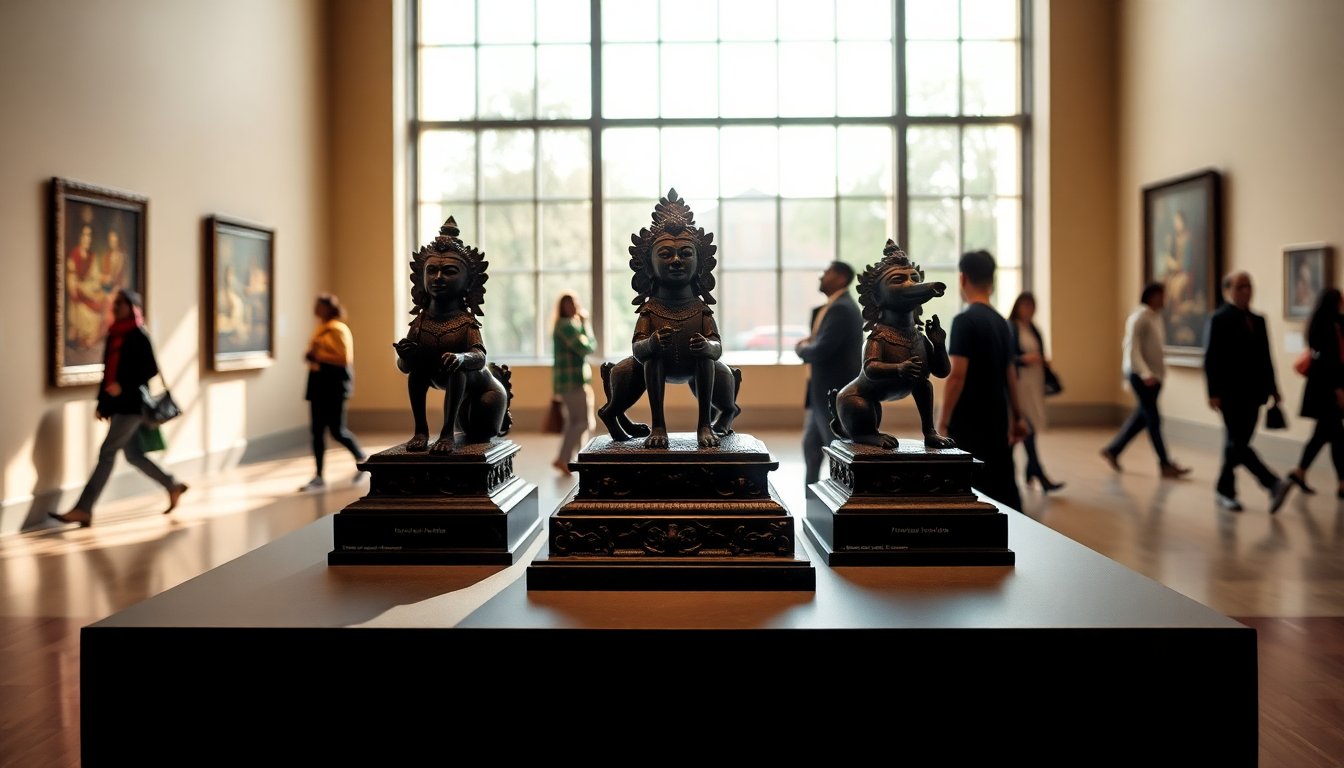
The Smithsonian Institution has announced the return of three significant bronzes to India. This decision comes after thorough research revealed that these artifacts were obtained through illicit means. The museum recognizes the need to address past injustices and is taking steps to correct them.
Background of the bronzes
These bronzes represent India’s rich cultural heritage and have been housed in the National Museum of Asian Art for decades. Their repatriation signifies more than just a procedural step; it highlights the importance of cultural restitution and acknowledges the troubling history of the illegal antiquities trade.
The process of repatriation
The decision to return the bronzes stemmed from extensive investigations that revealed their questionable provenance. The museum engaged in thorough research to trace the origins of the artifacts, ensuring that their return would align with ethical practices within the museum sector. From a regulatory standpoint, this move reflects a broader commitment within the global art community to rectify historical injustices associated with art theft and colonial exploitation.
Significance of the return
The return of these bronzes to India marks a crucial step in repairing the relationship between museums and the nations from which cultural artifacts were taken. This action fosters a dialogue about the ownership of cultural heritage and encourages other institutions to consider similar measures. Additionally, it highlights ongoing concerns about the illegal art market and underscores the importance of provenance in art acquisition.
Broader implications for cultural heritage
The repatriation of these bronzes initiates a wider discussion regarding the role of museums in the preservation and respect of cultural heritage. As institutions increasingly reflect on their historical roles in acquiring artifacts, the ethical implications of ownership take center stage. The Smithsonian’s decision symbolizes a shift in mindset, emphasizing the rights of source countries and the importance of cultural identity.
Future of art restitution
This event could inspire similar initiatives from other institutions that hold artifacts with questionable histories. It underscores the need for museums to implement stringent standards and ensure transparency regarding the provenance of their collections. As the art world navigates these complex issues, the Smithsonian’s actions may provide a framework for future repatriation efforts.
The return of the bronzes to India is part of a broader movement toward justice and the restoration of cultural heritage. As museums confront their historical roles, initiatives like this contribute to a more equitable future within the global art community.