
Table of Contents
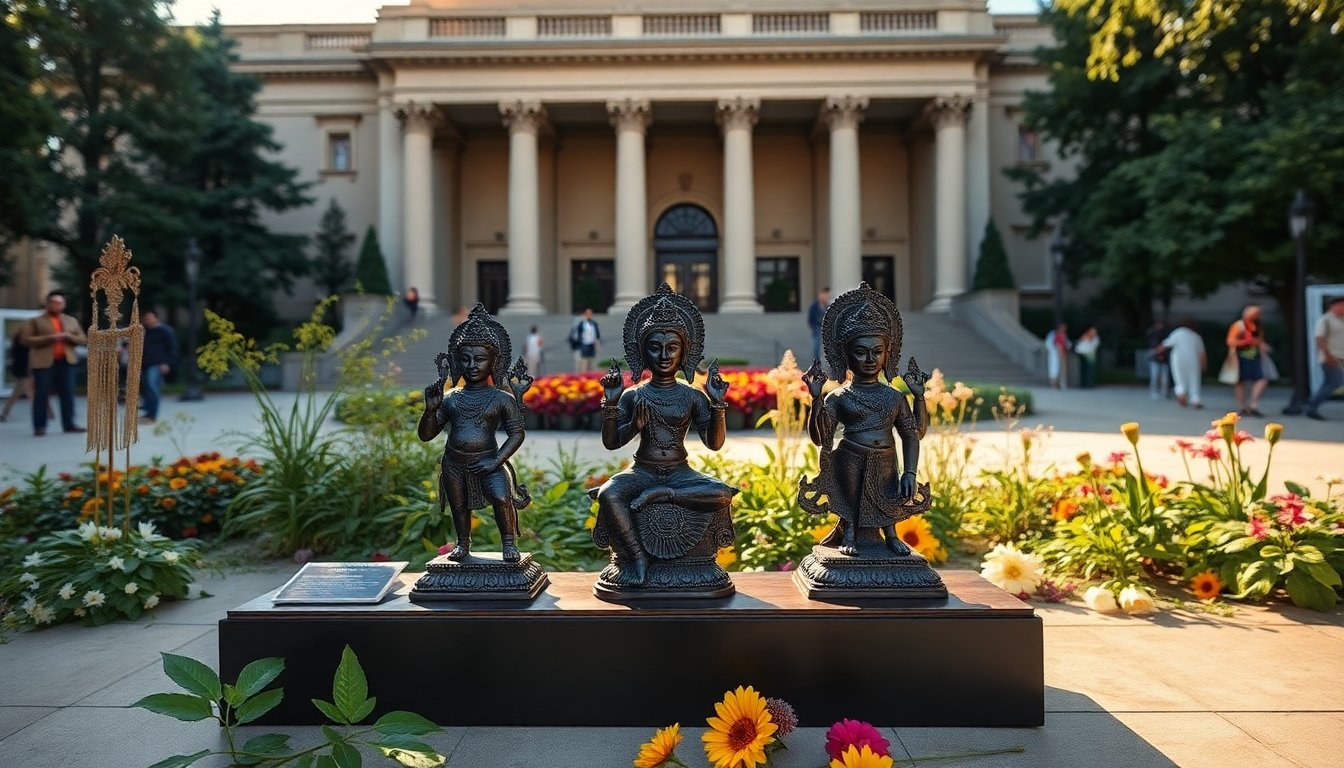
The Smithsonian National Museum of Asian Art has announced plans to return three ancient bronzes to India. This decision follows thorough investigations that confirmed their illicit acquisition. This significant move reflects a growing global dialogue on cultural restitution and the need to confront historical injustices.
The significance of restitution in cultural heritage
Returning artifacts to their countries of origin has gained traction in recent years. Museums and cultural institutions are increasingly acknowledging the need to correct past wrongs. The bronzes, taken without consent, hold not only artistic value but also profound cultural significance for their communities. Repatriation efforts, such as those initiated by the Smithsonian, underscore the ongoing challenges many nations face in reclaiming their cultural heritage.
Historical context of the bronzes
The three bronzes from India were taken during a time marked by colonial expansion and exploitation. This era witnessed numerous artifacts being removed from their original contexts, often under questionable circumstances. By returning these bronzes, the Smithsonian acknowledges its involvement in this history and engages in a broader movement aimed at restoring dignity to the affected cultures.
Wider implications for museums and institutions
The Smithsonian’s decision establishes a significant precedent for museums worldwide. As institutions confront the ethical implications of their collections, the discussion around restitution is gaining momentum. Museums now face the challenge of balancing the preservation of art with respecting the cultural narratives of the countries from which these works originated.
Global movements towards restitution
Various organizations and cultural groups worldwide advocate for the return of artifacts. This movement extends beyond the United States; it also encompasses Europe and Asia, where many museums are beginning to reevaluate their collections. The recent return of bronzes to India by the Smithsonian exemplifies how institutions can actively address these issues and take meaningful steps toward justice.
The importance of cultural dialogue
Facilitating a dialogue about cultural heritage is crucial for healing and reconciliation. The return of artifacts can mend relationships between nations and enhance understanding of the histories that shape our world today. The actions taken by the Smithsonian represent a significant opportunity for other institutions to learn and adapt their practices in ways that honor cultural significance and promote international collaboration.
The evolving role of museums in cultural restitution
As museums continue to evolve, they face the ongoing challenge of creating environments where every culture is respected and represented. The return of the bronzes not only restores a piece of history to India but also highlights the growing recognition of the interconnectedness of global cultures.
The decision by the Smithsonian National Museum of Asian Art to return these bronzes signifies a crucial advancement in the dialogue surrounding cultural restitution. This action exemplifies how museums can acknowledge and rectify historical injustices while fostering a more inclusive approach to cultural heritage.
Such moves challenge other institutions to learn and adapt their practices, ensuring they honor cultural significance and promote international collaboration. The commitment to restitution not only enriches cultural narratives but also reinforces the importance of shared history in a globalized world.