
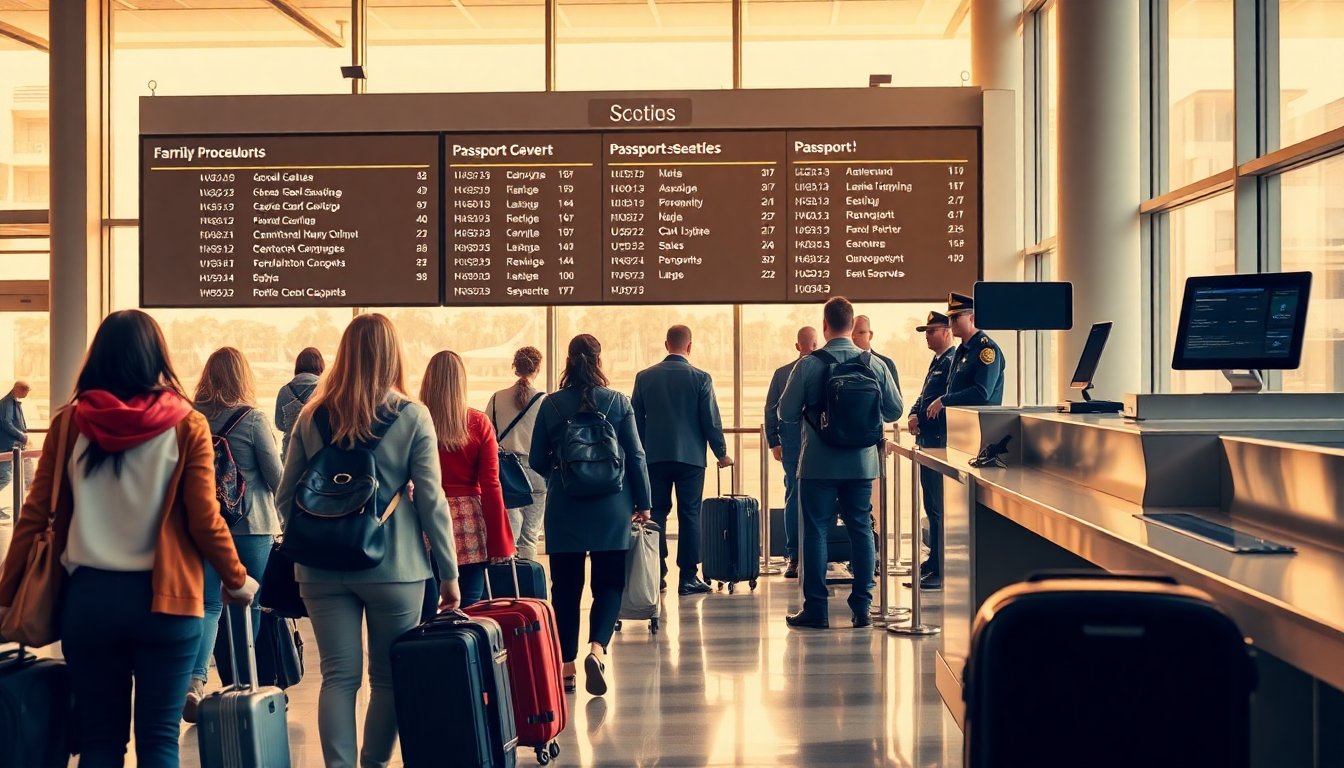
The landscape of travel to the United States is poised for a significant shift, particularly for visitors from nations that currently enjoy visa waiver privileges. A new proposal from U.S. Customs and Border Protection (CBP) could soon require individuals from over three dozen countries to disclose up to five years of their social media activity as part of the entry process. This initiative marks a tightening of restrictions for incoming travelers amid ongoing national security concerns.
The proposed changes are now open for public commentary for a 60-day period, and they could reshape how international visitors approach travel to the U.S. This initiative primarily affects citizens from nations with close ties to the U.S., including Australia, Germany, and the United Kingdom, all of which are part of the Visa Waiver Program (VWP).
The Visa Waiver Program and its significance
Established to facilitate easier access for travelers from designated low-risk countries, the VWP allows citizens to visit the U.S. for up to 90 days without the need for a visa. This arrangement is based on historical data indicating that visitors from these nations have a low tendency to overstay their visits. Moreover, these countries typically engage in robust information-sharing with U.S. law enforcement agencies, enabling thorough background checks.
Proposed social media requirements
Under the new proposal, travelers wishing to enter the U.S. will need to provide a comprehensive array of personal information through the Electronic System for Travel Authorization (ESTA). This includes passport information, contact numbers, and even email addresses used over the last decade. However, the most notable addition to this application process is the requirement for five years of social media history, including past email addresses and phone numbers, along with information about family members.
Critics of this initiative, including immigration attorneys, have raised concerns about the implications of such invasive requirements. Rosanna Berardi, an immigration lawyer based in Buffalo, argues that the extent of information requested is both excessive and contrary to the original intent of the ESTA program.
Legal considerations and potential impact
The legal framework surrounding these new requirements introduces additional complexities. While there is a clear directive for increased scrutiny of travelers, the potential for misuse of this information raises important questions about freedom of speech and privacy rights for foreign nationals. Authorities may aim to identify anti-American sentiments through social media analysis, but legal stipulations prevent the denial of entry based solely on critical commentary about U.S. politics.
Implications for Canadian travelers
Interestingly, the vast majority of Canadian travelers are unlikely to be affected by these changes. Canadian citizens do not participate in the VWP and are generally only required to present their passports for entry, so the new social media scrutiny is not expected to create significant hurdles for them. However, Canadian nationals seeking specific visa categories, such as investor visas or K-1 fiancé(e) visas, may still face heightened scrutiny during the application process.
Despite potential repercussions for travelers from VWP countries, it is crucial to recognize that approximately 99.9% of Canadians will continue to enjoy relatively hassle-free travel to the U.S. under the current guidelines. As discussions surrounding the proposal progress, travelers should remain informed and prepared for potential changes ahead.


