
Table of Contents
State of the Union frames administration’s priorities amid heated partisan debate
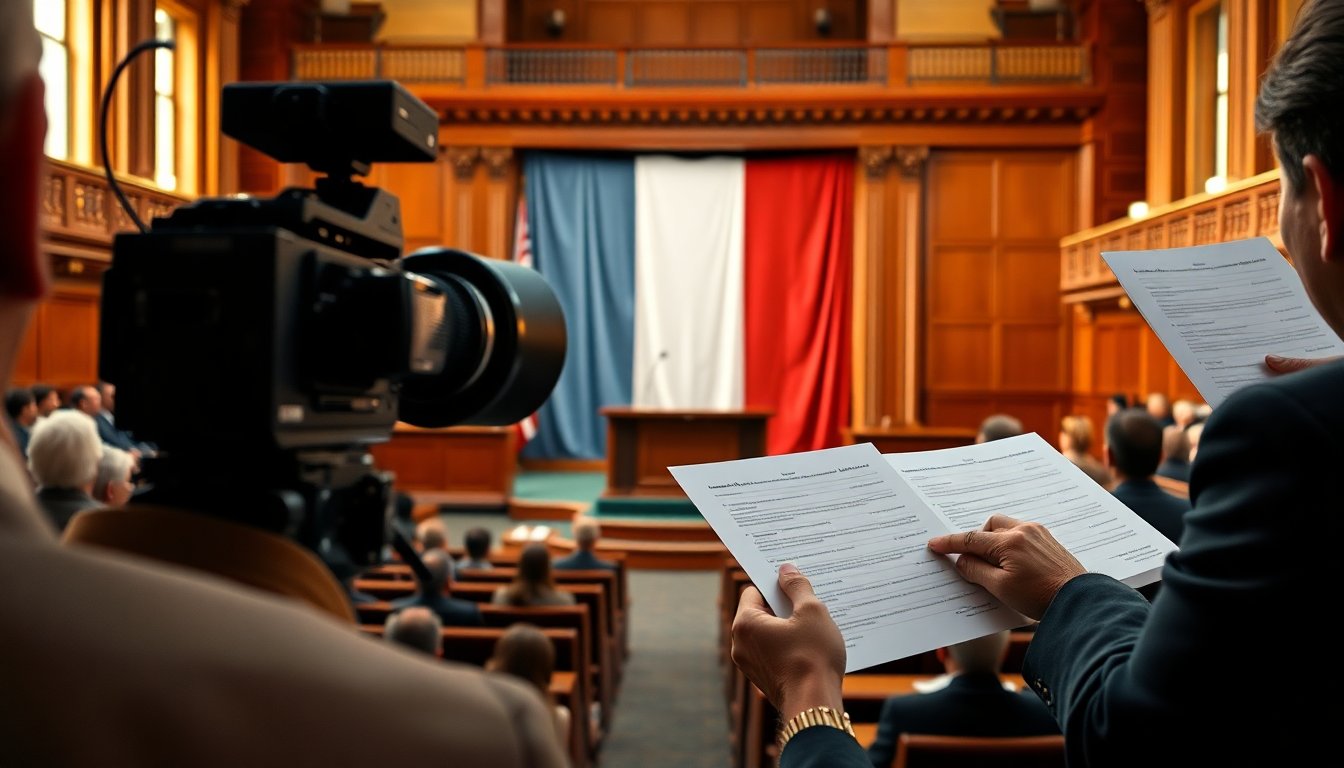
The chamber buzzed with equal parts confidence and confrontation as President Trump took the podium for the State of the Union. He delivered a driving account of his administration’s record and sketched a familiar pathway forward—one built around themes of security, prosperity and national strength. He repeatedly declared the country “winning,” leveled sharp criticism at Democratic leaders and reiterated contested claims about past elections, energizing supporters while deepening partisan fault lines.
Immigration, enforcement and presidential posture
Immigration and tougher enforcement dominated much of the address. Administration aides defended stepped-up deportation and border policies as necessary to preserve public safety and border integrity. Civil liberties advocates and some legal scholars countered that several proposals risk serious due-process and human-rights consequences. The speech stitched together specific policy proposals with combative rhetoric—a combination clearly intended to rally the base but likely to inflame opponents and spark legal challenges.
Beyond the words, presentation mattered. Rhetoric, imagery and timing were carefully calibrated to shape public perceptions and generate momentum. Staging, anecdotes and visual cues reinforced the message that the administration views strength and enforcement as central to its agenda.
Democratic response: two tracks, wider reach
Democrats answered with a two-pronged rebuttal designed both to contrast and to broaden their reach. Governor Abigail Spanberger delivered the main response, emphasizing competence, practical problem-solving and alternatives to partisan brinkmanship. Her selection signals a deliberate push to foreground executive experience and national-security credibility while steering discussion toward tangible policy fixes—cost control, stronger health-care protections and accountability for the federal workforce.
Senator Alex Padilla offered the Spanish-language response, aimed at Latino and Spanish-speaking households. He leaned on his record expanding voting access and advocating for immigrant and working families, translating the party’s core arguments into culturally resonant terms and grounding abstract policy debates in everyday impacts.
Both responses were timed to puncture the president’s tone and to shape the immediate news cycle. Campaign teams also pushed short, shareable social content designed to reach younger voters and simplify complex proposals into bite-sized messages.
Legal and state-level pushback
Outside the speech arena, Democratic strategists signaled a willingness to pursue oversight and, where necessary, litigation. Several governors and state attorneys general who have assailed federal enforcement moves said they will monitor implementation closely and consider court challenges if new policies cross legal lines. Analysts caution that the success of this strategy will depend on disciplined messaging and whether state-level actions produce concrete changes in agency behavior.
Boycotts, protests and parallel events
The partisan rift extended to attendance and activism. Some Democrats declined to attend, arguing they would not legitimize what they view as attacks on democratic norms. Others organized parallel events—the “People’s State of the Union” and a Washington gathering dubbed the “State of the Swamp”—to spotlight personal stories and the human consequences of federal policy. Those gatherings aimed to shift the spotlight from headline rhetoric to on-the-ground effects.
What to watch next
Expect the next weeks to be busy. Watch for:
– Legislative maneuvering on immigration and enforcement proposals and whether any measures gain bipartisan traction.
– Legal filings from states or civil-rights groups challenging new enforcement directives.
– How the messaging battle plays out on social platforms, especially among younger and Spanish-speaking voters.
– Whether Democratic oversight efforts translate into hearings, subpoenas or regulatory changes that alter agency behavior.
The chamber buzzed with equal parts confidence and confrontation as President Trump took the podium for the State of the Union. He delivered a driving account of his administration’s record and sketched a familiar pathway forward—one built around themes of security, prosperity and national strength. He repeatedly declared the country “winning,” leveled sharp criticism at Democratic leaders and reiterated contested claims about past elections, energizing supporters while deepening partisan fault lines.0