
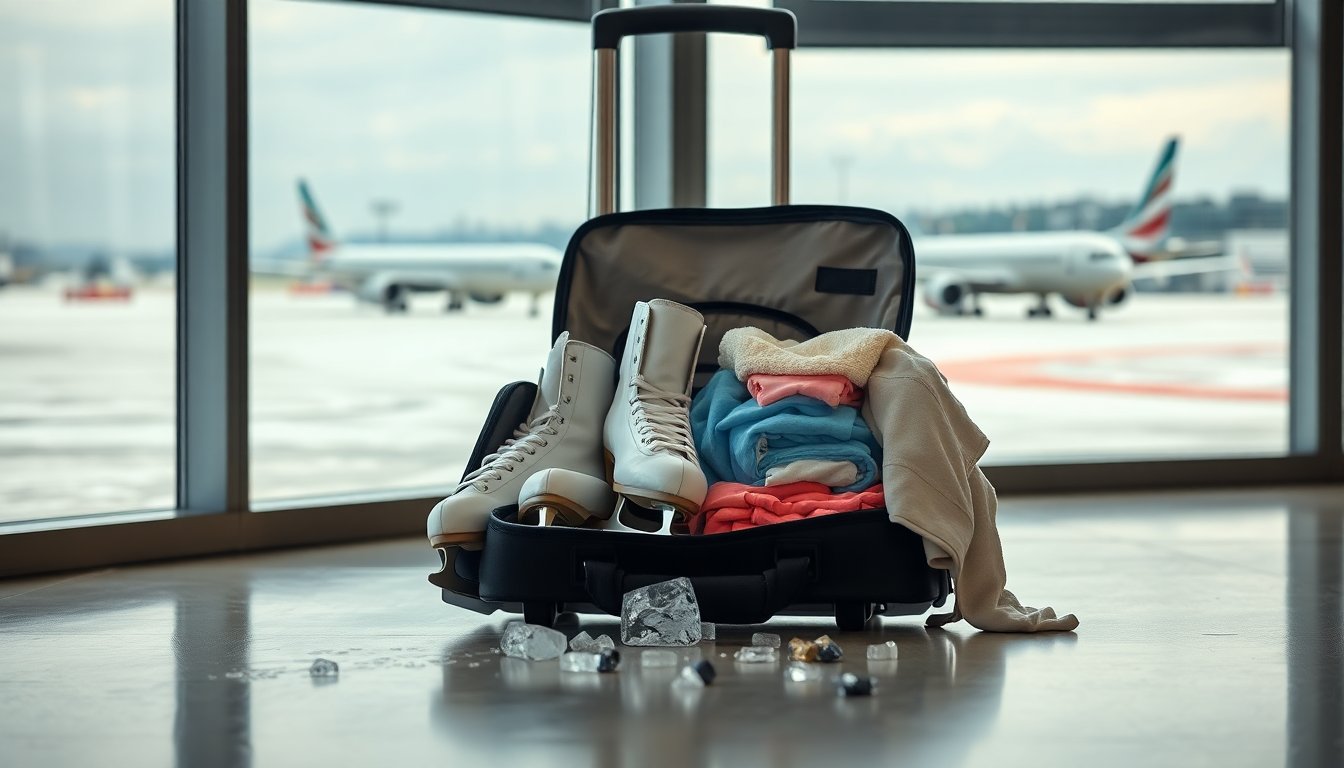
Canadian pairs team Deanna Stellato-Dudek and Maxime Deschamps touched down in Milan as planned despite a scare in Montreal on Jan. 30. After daily checkups by medical staff from Skate Canada and the Canadian Olympic Committee, the pair have been cleared to compete — but only in the individual pairs event. Following medical advice, they have withdrawn from the team competition.
What happened
During a practice session in Montreal, Stellato-Dudek hit her head on the ice and missed several days of training while being evaluated. Neither officials nor the athlete have released a detailed diagnosis, though medical staff described her recovery as “remarkable,” and Stellato-Dudek herself has said she did not suffer a concussion. Given the timing and tournament logistics, doctors recommended pulling the pair from the team event as a precaution.
How their preparation changed
With medical clearance in hand, the team traveled and refocused on the short program and free skate that begin Sunday. To lower risk, they removed their signature assisted backflip from the lineup and kept sessions in Milan tightly controlled by coaches and support staff. The emphasis has been on measured practice — staying sharp without pushing the body into unnecessary danger.
A career marked by comeback and continuity
Stellato-Dudek, 42, is on a rare path in elite figure skating: after retiring at 17 she stepped away for 16 years, returned to competition representing a new country, and has fought her way back to the sport’s highest levels. Paired with Deschamps after several earlier partnerships, she helped lead the duo to the 2026 world title in Montreal and three national championships — achievements that place them among the sport’s elite.
A brief aside from my time at Deutsche Bank: elite sports can feel a lot like a trading floor — margins are thin, risks are constant, and resilience often makes the difference. Comebacks draw attention and create opportunities, but they don’t erase the physical risks that come with executing high-difficulty pairs elements.
Strategy for Milan
Their plan is simple but deliberate: prioritize safety while delivering clean programs. That means focusing on securely landed throws, twists and lifts and leaving out unnecessary high-risk elements. The Canadian Olympic Committee has been clear that athlete health takes precedence; the team’s aim is two solid, incident-free performances.
Beyond the scores
Stellato-Dudek’s return after the accident will be watched for more than technical merit. It’s a story about resilience, about the calculated risks athletes and their teams take, and about how older competitors can still shape the narrative of a sport. She has said she will fight for every element but not at the cost of her long-term health. For now, all eyes will be on their short program and free skate for the next definitive update.