
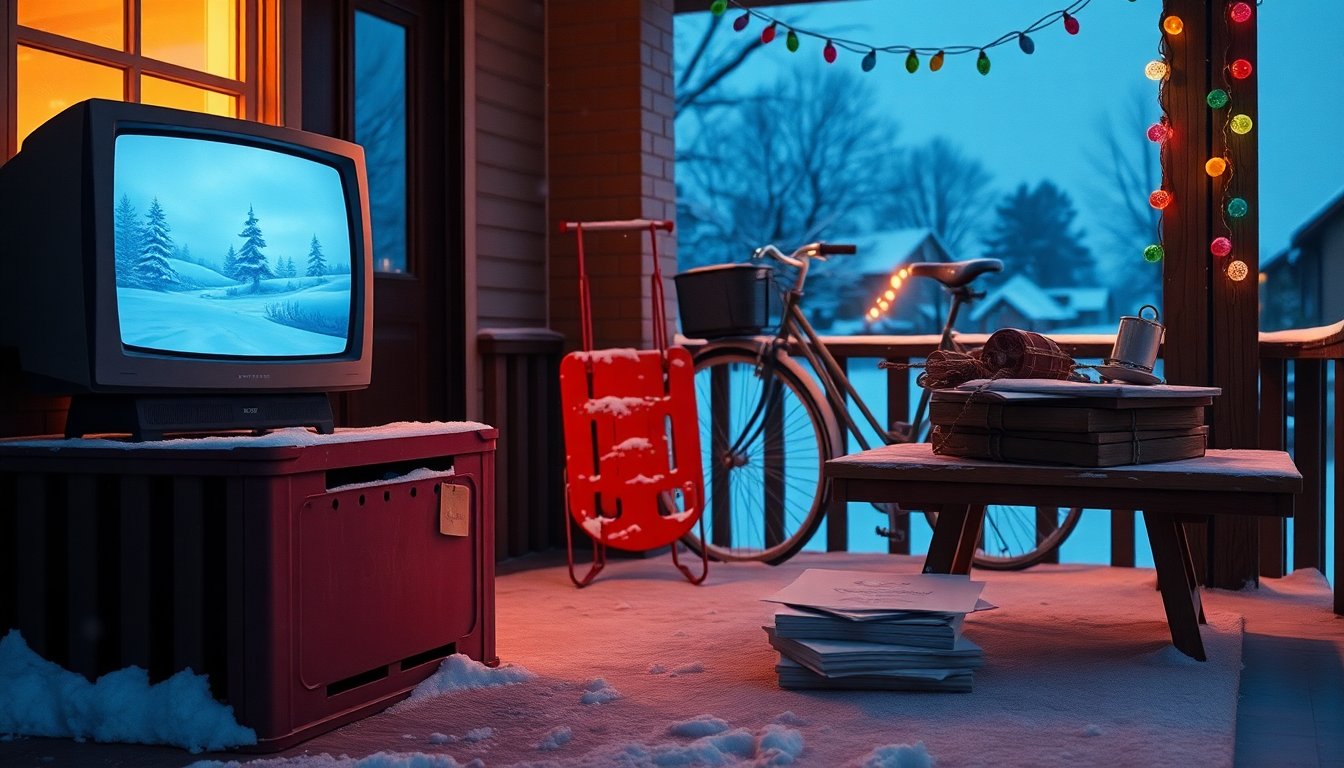
The beloved Netflix franchise expands into animation with Stranger Things: Tales From ’85, a ten-episode spinoff that lands on Netflix on April 23. Fans eager for an early glimpse can catch the first two chapters in select cinemas on April 18, an unusual release strategy for a television-originated property. Executive produced and run by Emmy-winner Eric Robles, the series is positioned squarely between seasons two and three, transporting viewers to the winter of 1985 and refocusing the story on the core group of kids from Hawkins, Indiana.
Rather than trying to outdo the live-action saga in scale, the animated show deliberately narrows its lens to small-town mysteries and friend-group dynamics. The Duffer Brothers remain involved and supportive, helping preserve the original tone while allowing the new team to explore a colder, quieter Hawkins. The creative goal is to capture the familiar emotional beats — the camaraderie, the tensions, and the supernatural dread — while taking advantage of animation’s freedom to push visual and editorial boundaries. Expect a blend of nostalgia and innovation, where walkie-talkie culture and neighborhood hangouts meet stylized monster sequences.
Creative team and visual identity
At the center of the project is a design and production crew that tailored the look to feel both recognizable and new. Robles and his artistic collaborators rejected a purely youthful or overly cartoonish approach in favor of a balance that evokes the era without flattening the characters. Lead character designer Meybis Ruiz Cruz drew inspiration from early 20th-century illustrators to craft a sense of stylized realism, while production designer Benjamin Plouffe layered in painterly textures and period details. The result aims to mirror the live-action cast’s essence while giving animators room to exaggerate action and expression for dramatic effect.
Design choices and influences
Rather than mimic the actors exactly, the art direction emphasizes silhouette, posture, and period wardrobe to preserve identity across mediums. The team experimented with different visual languages, moving away from obvious Disney– or Pixar-influenced softness toward harder lines and expressive shading. This approach helps the series keep the franchise’s darker mood during monster encounters while allowing tender, quieter moments to breathe in a medium that can slow down or accelerate time as needed.
Editing, pacing and what animation enables
One of the primary technical challenges was translating the established live-action rhythm into shorter animated episodes. Without the luxury of a 44-minute runtime per installment, editors and directors developed a new grammatical style for the show — a compact, kinetic tempo that still honors the original’s suspense. Animation permits bolder camera moves, more elastic creature animation, and faster cuts that amplify peril; the monsters can feel impossibly close, looming above or behind the kids in ways that live action would struggle to replicate. This heightened sensory language becomes part of the series’ signature.
Balancing action and relationship drama
Despite the adrenaline of creature set pieces, the writers kept relationship arcs central. The series treats conflict and growth as primary engines: by around episode four, tensions among the group deepen, revealing that not all adventures end in easy triumph. That emotional honesty — friends disagreeing, learning, and changing — is intentionally foregrounded so the plot’s mysteries never eclipse character development. The show remains rated TV-14, leaning family-friendly without removing stakes.
Voice performances and audience experience
Robles and casting directors assembled a young ensemble that brings immediate authenticity to the recordings. These performers deliver fresh reactions — real first-time discoveries of strange phenomena — and their spontaneity translates in audio takes that often become the definitive versions. While older live-action actors carry the franchise’s history, the animated series benefits from voices that embody the characters at a precise moment in adolescence: uncertain, brave, and sometimes terrified. Notable cast members listed include Luca Diaz, Brett Gipson, and Brooklyn Davey Norstedt, among others.
For viewers wondering how to approach the release: the theatrical screenings of the premiere episodes on April 18 promise a communal, surround-sound experience, while the full series will be available on Netflix starting April 23. Whether watched in a dark theater or at home, the show is designed to reward both longtime devotees and families looking for an introduction to Hawkins’ winter mysteries. In short, Stranger Things: Tales From ’85 is an exercise in translating a beloved live-action universe into an animated form that preserves emotional truth while expanding visual possibility.


