
Table of Contents
Tehran universities hold commemorations amid ongoing unrest
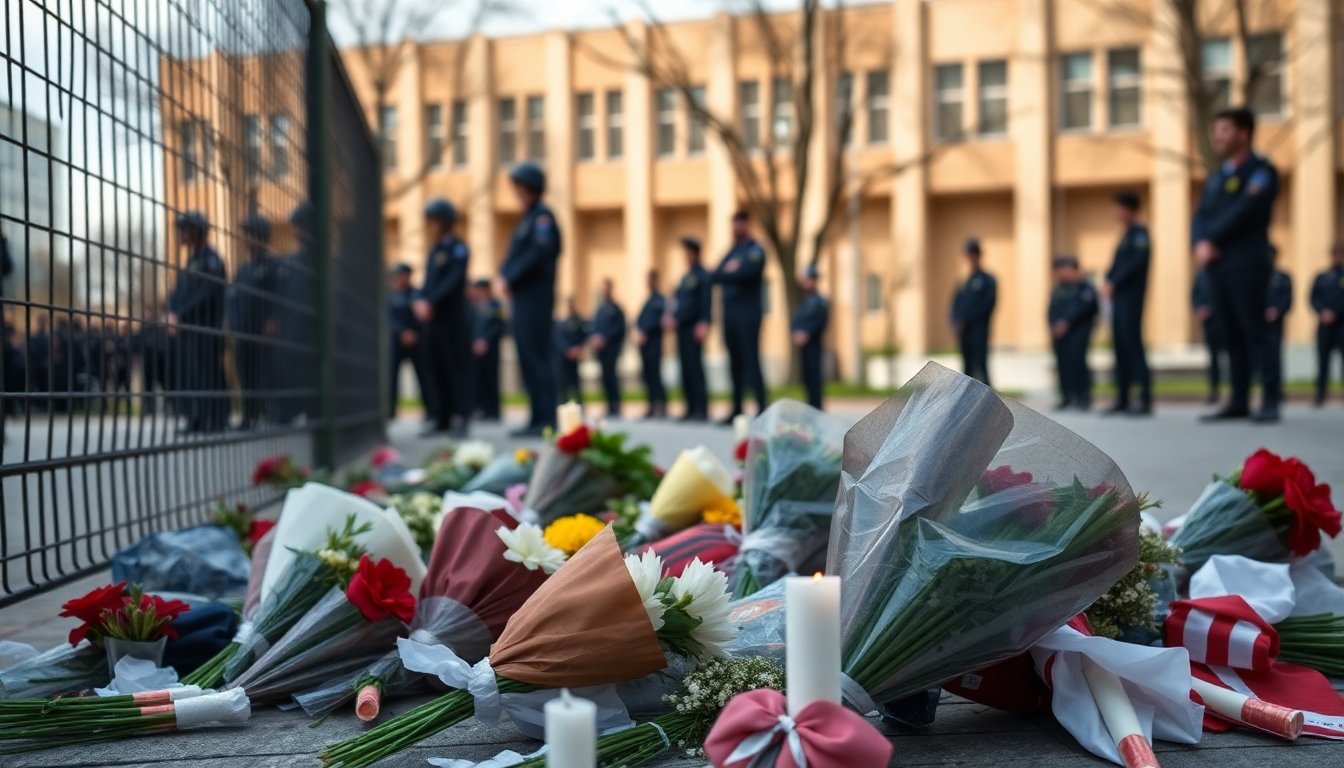
Students across Tehran’s major universities and smaller campuses gathered this week to honor those killed during the mass protests earlier in the year. What began as memorial services quickly took on a political charge: participants chanted for accountability, called for reforms and treated the events as peaceful demonstrations against the Islamic Republic. Security forces were more visible than usual around campus perimeters, and occasional scuffles broke out between protesters and regime supporters — a reminder that the city’s tensions remain raw and unpredictable.
Reports of militarization inside civilian facilities
Several hospital workers, speaking anonymously to Iran International for fear of reprisals, say commanders from the Islamic Revolutionary Guard Corps have been holding meetings inside medical facilities in recent days. Staff described groups of armed personnel conducting briefings and coordinating security matters that had nothing to do with patient care. The presence of weapons and uniforms inside hospitals alarmed employees, who worry such activity could disrupt services and put patients at risk.
Restricted access and scant official information make independent verification difficult. Still, these accounts have sparked urgent questions about whether basic humanitarian protections for medical sites are being respected. With entrances blocked in some locations and communication tightly managed, many frontline details remain shadowed.
Tactics, legal concerns and expert analysis
Observers note that burying military functions inside schools, hospitals and other civilian infrastructure is a tactic seen in several regional conflicts. Political commentator Jamshid Barzegar warned that positioning forces among civilians can turn otherwise protected places into de facto shields, dramatically increasing the danger if violence escalates.
Human-rights lawyers draw clear legal lines. Under the Geneva Conventions and related protocols, medical centers enjoy special protections; using them for military operations erodes that status. Human-rights attorney Hossein Raisi argues that deliberately converting protected sites for military purposes can amount to serious violations and, in certain cases, war crimes. He added that responsibility could reach both those who place forces in such locations and those who later attack them. Legal specialists say that documentation of these practices could form the basis for future accountability efforts under international law.
Personal stories behind the headlines
Beyond legal arguments and strategic analyses are the everyday people caught in the middle. Families who have lost loved ones describe morgues overwhelmed with bodies and refrigerated trucks lining hospital gates. Hospital staff report frantic nights, with relatives pressing for information as officials offer few answers. One relative told a reporter about the unbearable wait to claim a body, the confusion over paperwork and the hollowing feeling of receiving news without explanation. Another nurse spoke of sleepless shifts, rationing supplies and the constant fear that the next convoy of armed personnel could arrive at any moment.
These human accounts — fragmented, anguished and sometimes impossible to fully verify — put a face on the broader crisis: a society trying to mourn and to seek justice amid a climate where hospitals, schools and campuses can suddenly become contested ground.