
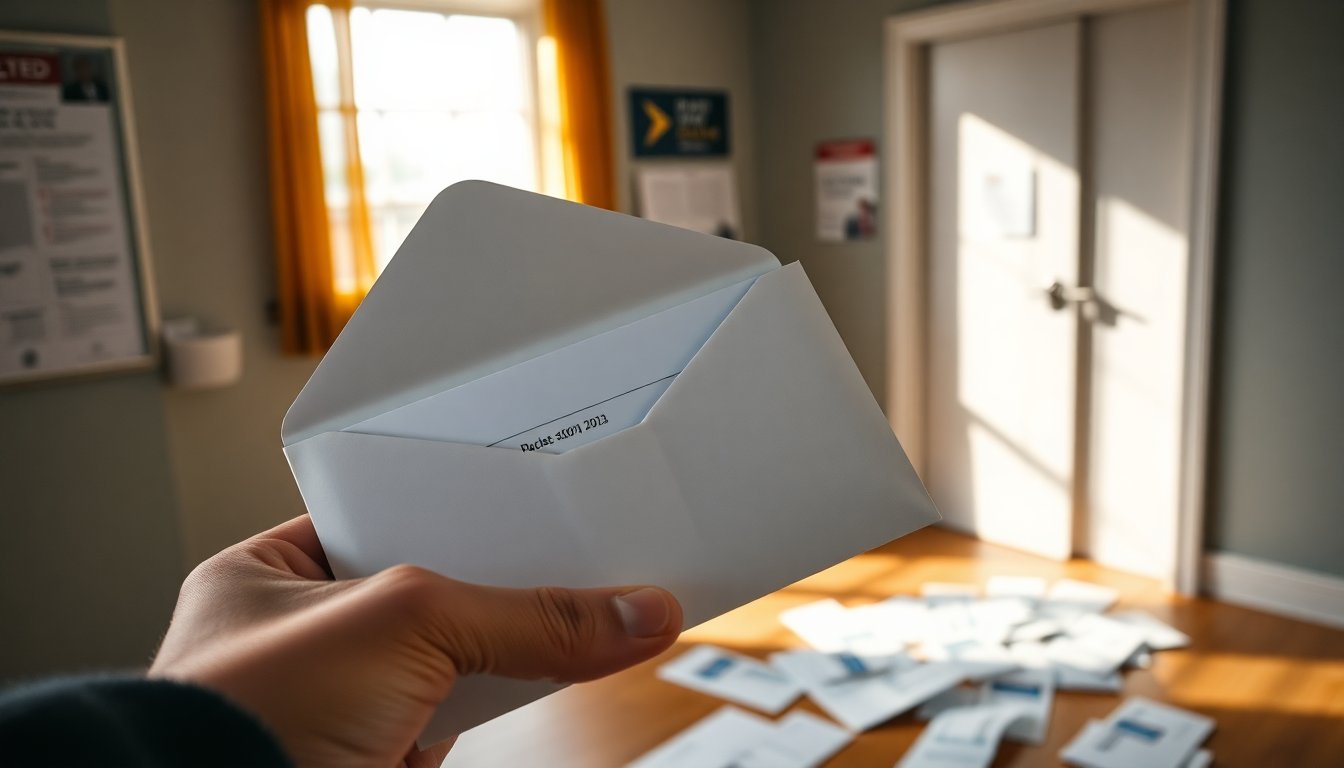
The recent ruling by the Supreme Court concerning mail-in ballots has sparked considerable debate across the United States. Millions of Americans rely on this method to cast their votes, and the court’s decision could significantly affect the voting process for both rural and urban residents. As the court considers whether ballots must arrive at election offices by Election Day, the potential consequences for voters are substantial.
Many citizens are concerned that their ballots may be disqualified if they arrive late. This situation raises urgent issues regarding accessibility and fairness in the electoral process. The ruling could disenfranchise hundreds of thousands of voters, making it essential to examine the broader implications of such a legal decision.
Potential consequences for voters
If the Supreme Court mandates that all mail-in ballots must be submitted by the end of Election Day, it may create significant challenges for voters. Mail-in voting has become a vital alternative for those unable to vote in person due to health issues, work commitments, or other factors. The ruling could lead to widespread ballot rejections, disproportionately impacting vulnerable populations.
Impact on rural and urban communities
In both rural and urban areas, access to postal services varies widely. Many rural voters already struggle with mail delivery times, and the possibility of late-arriving ballots could hinder their ability to participate in elections. Similarly, urban voters reliant on last-minute mailings may also face disenfranchisement if their ballots do not reach polling stations in time.
Moreover, the anxiety surrounding mail-in ballots could deter many from using this option, resulting in decreased voter turnout. A ruling that imposes strict deadlines may further exacerbate existing inequalities within the electoral process.
Legal and political ramifications
The Supreme Court’s decision carries implications that extend beyond individual voters to the broader political landscape. Political parties and organizations advocating for voting rights are keenly observing the situation, as it may influence their voter mobilization strategies. If mail-in voting becomes less viable, parties will need to adjust their outreach efforts to ensure all citizens can exercise their right to vote.
Future of mail-in voting legislation
This ruling may also prompt legislators to reevaluate existing laws governing mail-in ballots. Discussions surrounding voting accessibility and the integrity of elections will likely gain renewed urgency as advocates push for reforms to protect voters’ rights. Whether through legislation or public advocacy, the aim will be to ensure all eligible citizens can participate in the democratic process without the fear of disenfranchisement.
In this context, the future of mail-in voting could depend on the court’s ruling and the subsequent political actions taken by various stakeholders. As citizens await the Supreme Court’s final decision, it is crucial for everyone to stay informed and engaged in the ongoing conversation about voting rights and accessibility.
The Supreme Court’s ruling on mail-in ballots has the potential to significantly impact the voting experience for countless Americans. The decision could lead to an increase in rejected ballots, especially among those in rural and urban communities, thereby creating barriers to participation in the electoral process. As the nation confronts these challenges, the ongoing discourse will be vital in shaping the future of voting in America.


