
Table of Contents
Recent developments in northeastern Syria reveal significant advances by Syrian government forces against the Kurdish-led Syrian Democratic Forces (SDF), which receive support from the United States. These changes not only shift the balance of power but also heighten concerns regarding regional stability.
During a recent offensive, pro-government forces captured a key military base along with vital oil facilities and a dam on the Euphrates River. This offensive, which took place over the weekend, resulted in a cease-fire agreement with the SDF, potentially marking a turning point in the ongoing tensions.
Military movements and U.S. involvement
American military convoys have entered the area, particularly near Deir Hafer, east of Aleppo. Under heavy aerial protection, these convoys have been observed approaching Kurdish positions, illustrating the intricate alliances and hostilities at play. According to the Syrian Observatory for Human Rights, U.S. forces have deployed alongside Kurdish fighters, indicating ongoing American support for the SDF.
Recent escalations and their impact
Clashes between the SDF and Syrian government forces continue to create a tense atmosphere in the eastern Aleppo region. The U.S. has publicly reaffirmed its commitment to supporting both the SDF and the forces led by Ahmad Sharaa, complicating the situation on the ground. As tensions rise, a notable shift in military strategy emerges, with an increased U.S. military presence aimed at stabilizing the region while balancing support for both factions.
Strategic implications of the cease-fire
The truce between the Syrian government and the SDF follows significant territorial gains by pro-government forces. Officials in Damascus have reported advances toward key cities such as Raqqa and Hasakah, which serve as the last strongholds for the Kurdish administration in the region. Control over these areas is critical for both the SDF and the Syrian government, which seeks to reassert authority across the nation.
The role of oil resources
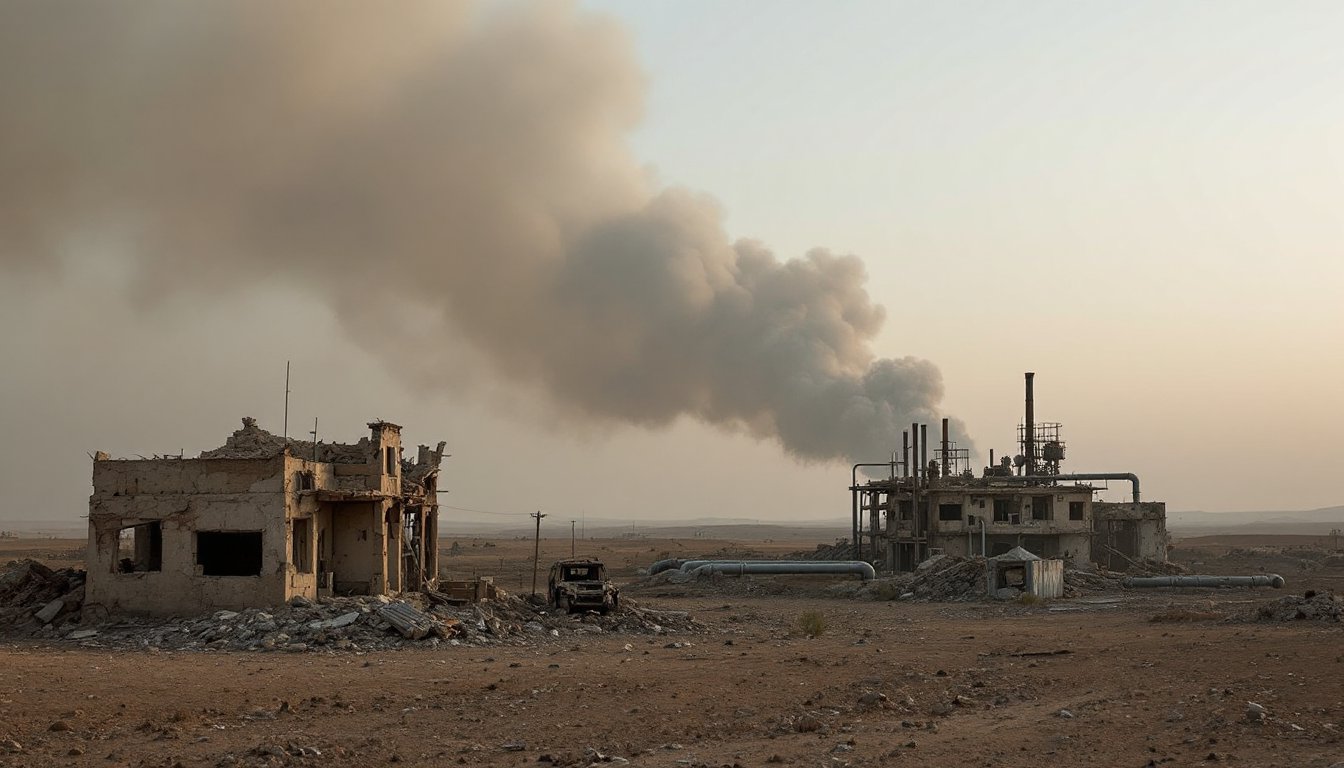
The recent capture of major oil fields in Deir al-Zor has severely impacted the revenue streams supporting the Kurdish forces. These oil resources are essential for funding military operations and maintaining local governance. As Syrian government forces tighten control over these strategic assets, the economic implications for the SDF could be significant, potentially weakening their position in the ongoing conflict.
The current landscape of northeastern Syria is marked by military maneuvers that have altered the balance of power. The implications of these developments extend beyond territorial control, influencing the political and economic dynamics of the region. As both the Syrian government and the U.S. navigate this complex situation, the coming weeks will be crucial in determining the future of governance and stability in northeastern Syria.