
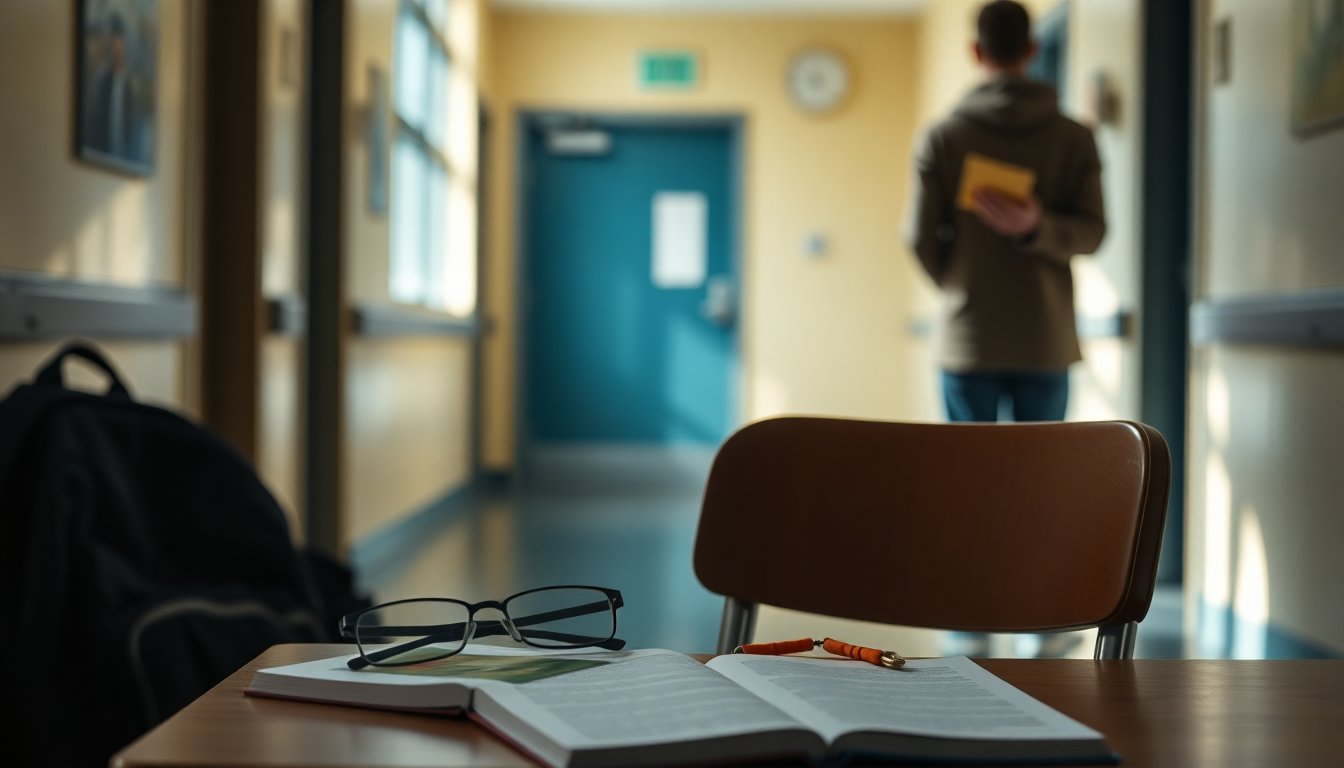
The memory of a school shooting never quite fades. For families who have lost a child in a classroom, the past can feel as immediate as the morning bell. In 1999, a gunman entered W.R. Myers High School in Taber, Alberta. One student, Jason Lang, was killed and others were wounded. That loss has shaped Jason’s father, Dale Lang, in ways both private and public ever since.
When word arrived of the 2026 shooting in Tumbler Ridge, British Columbia, Dale’s grief resurfaced with a familiar, sharp ache. His reaction tied two tragedies separated by decades and distance, reminding people that earlier wounds change how communities see — and respond to — later ones. Each new attack reopens old scars and forces families, neighbours and school staff to rework what safety and recovery mean.
Survivors and those left behind rarely return to the life they once knew. Routines pick up new seams of memory: a classroom corner, a locker hallway, the day the bell rang. In Taber, many of those altered lives moved into public roles. Dale, then an Anglican minister, devoted years to anti-bullying initiatives, prevention programs and improved supports for traumatized students. Gradually he stepped away from parish ministry and into civic advocacy — private grief turned into sustained public effort.
Other families followed a similar path. They lobbied school boards for counseling, demanded clearer threat-assessment procedures, and sought funding for long-term trauma recovery. Those calls didn’t vanish after the vigils ended. Teachers and students continued to report PTSD symptoms, higher absenteeism, and frayed trust in institutions charged with protecting children. The effects weren’t confined to a single day; they unfolded over years.
Communities respond in ways that are both symbolic and practical. Reopening classrooms, holding memorials and establishing scholarships in Jason’s name were small acts of repair: they honored the dead and gave the living a way to move forward. Memorial scholarships and public forums keep victims present in community life while channeling grief into something constructive.
At the same time, schools added visible safety measures and beefed up supervision. Evidence suggests the most effective approach blends physical security with sustained mental-health support — drills and threat assessments alongside trained counselors and survivor-led input. Implementation, however, is patchy and funding shortfalls often blunt the impact.
Canada’s context matters. Mass attacks on schools remain relatively rare here, and that rarity deepens shock when they do occur. Moments of national attention, from the 1989 École Polytechnique massacre to earlier and cross-border tragedies like Columbine, continue to influence debates about prevention, gun policy and emergency planning. Rarity poses a policy dilemma: how much should communities prepare for an unlikely worst without turning schools into fortified spaces that feel abnormal to children?
There’s no single blueprint for recovery. In close-knit towns such as Taber or Tumbler Ridge, grief radiates through families, places of worship, workplaces and classrooms. Responses are often collaborative: faith groups offer immediate shelter and spiritual comfort, health professionals push for trauma-informed services, and students and parents press for changes at school boards. Where planning brings together psychologists, educators, law enforcement and youth voices, communities tend to rebuild with greater resilience. Where that coordination is missing, harm can persist for years.
The recurring image is not of closure but of ongoing work — memorials that keep names alive, counseling that addresses the long haul, policies that try to balance preparedness with the ordinary rhythms of school life. When Dale felt his old grief at the news from Tumbler Ridge, it was a reminder that recovery is not a destination but a continual, communal effort to make sense of loss and to protect what remains.