
Table of Contents
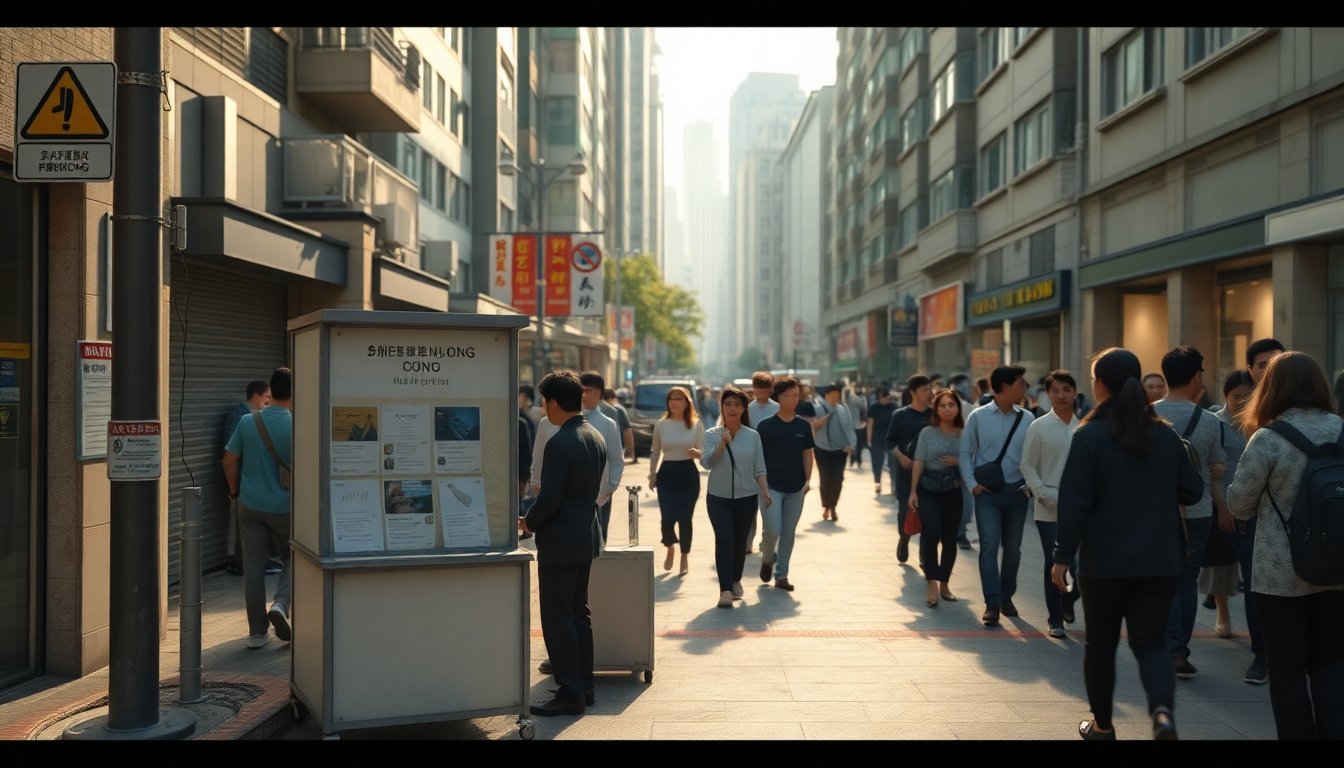
The atmosphere in Hong Kong has notably shifted as the city prepares for the Legislative Council elections. In response to the tragic fire that occurred in Tai Po, many candidates are adopting more subdued campaigning strategies. Efforts include reducing the number of street booths and limiting volunteer involvement. This change reflects respect for the affected community and acknowledges the urgent need for safety reforms.
As the election date approaches, candidates are unveiling new policy proposals, with calls for comprehensive investigations into the fire and enhanced safety regulations in building oversight. These actions are seen as critical steps in restoring community trust and preventing future tragedies.
Community response and the power of voting
Residents of Tai Po are navigating their grief while advocating for change. Many locals, including business owners, elderly citizens, and young families, are eager to use their votes to promote disaster prevention reforms. Mrs. Chan, a vendor at Tai Po Market, noted that the fire’s impact extends far beyond that tragic day. The sense of loss is evident throughout the community, yet she emphasizes that participating in the election is crucial for recovery.
Empowering change through civic engagement
Despite her sadness, Mrs. Chan is determined to vote, encouraging her family to join her in this civic duty. She hopes the new Legislative Council will implement economic policies aimed at revitalizing their community. Mr. Tam, another merchant from the area, shares these sentiments, stating he has set aside time to vote before returning to his shop on election day. This commitment to civic participation underscores the community’s desire for a proactive approach to recovery.
Residents like Ms. Sit, a long-term inhabitant of Kwong Fuk Estate, find strength in their collective memory of the fire incident. She believes their shared sorrow can galvanize efforts for improvements in building safety, public facility maintenance, and property management responsibilities. Her call to action urges neighbors to unite and vote for enhanced oversight measures that prioritize community safety.
Voter concerns and aspirations
Mr. Wong, a parent with children in local kindergarten, has grown increasingly vigilant about fire safety since the incident. His family has adopted new safety practices, such as checking appliances before leaving the house. His wife, Mrs. Wong, plans to vote, while Mr. Wong, who has yet to register, encourages her to engage in the electoral process. They hope the government will heed the lessons from this tragedy and improve fire safety protocols.
Community solidarity and the role of volunteers
In the aftermath of the fire, volunteers like Mr. Chu have stepped up to provide vital support in the affected areas. They have been instrumental in distributing supplies and observing the community’s response to the tragedy. Mr. Chu believes this incident serves as a wake-up call for the government. His experiences have strengthened his commitment to encourage others to vote and to critically evaluate candidates’ proposals regarding fire safety and disaster preparedness.
As the election approaches, the mood among residents is mixed. While many express concern over recent events, there is also an appreciation for the stability that remains in Hong Kong. Mr. Yeung, a local resident, believes in the overall stability of the city and is determined to participate in the election. He hopes that supporting capable candidates will contribute to building a better future for Hong Kong.
The Legislative Council elections, scheduled for December 7, will proceed as planned, according to the Hong Kong Special Administrative Region government. In light of the Tai Po tragedy, adjustments have been made to ensure polling stations accommodate the needs of affected residents. Chief Secretary Eric Chan emphasized the importance of electing capable representatives who can assist in the recovery process and support long-term safety reforms.