
Table of Contents
In the aftermath of the tragic fire at Wang Fuk Court in Tai Po, Hong Kong has witnessed a remarkable show of community strength. This incident, which occurred on November 26, led to significant loss and devastation, impacting numerous families and individuals. As reports of casualties and missing persons emerged, the city united to provide aid and support, highlighting the spirit of solidarity during this crisis.
Impact of the fire on the local community
The fire at Wang Fuk Court has been described as one of the deadliest in Hong Kong’s history, with at least 160 lives lost and many others injured. This catastrophic event has not only left families in mourning but has also disrupted the community’s fabric. Many survivors now face the daunting task of rebuilding their lives after losing their homes and possessions.
Alumni response
Students and staff from a local school were among those affected, leading to significant concern from alumni. The shared memories and close-knit nature of the community have prompted former students to support their peers impacted by the fire. Many alumni have expressed their sorrow and are actively seeking ways to assist the victims, including fundraising efforts and providing essential supplies.
Examining the renovation project and its consequences
The incident has also brought attention to a controversial renovation project at Wang Fuk Court that began in 2016. Aimed at improving the aging estate, the project has raised serious questions regarding safety regulations and oversight within Hong Kong’s construction industry. Residents had previously voiced concerns about the adequacy of safety measures during the renovations, which ultimately could not prevent the tragedy.
Following the fire, investigations uncovered that numerous complaints had been lodged with authorities regarding the renovation works. The Independent Commission Against Corruption (ICAC) and other governmental agencies were informed of potential safety violations. However, their actions proved insufficient to prevent the tragedy.
Legal ramifications and arrests
In the aftermath of the incident, law enforcement moved quickly to arrest several individuals connected to the renovation project. Among those detained are executives from the construction and consulting firms involved. Authorities are investigating allegations of negligence and potential corruption. These developments have ignited public outrage and demands for accountability, as the community seeks answers on how such a disaster could unfold.
Community support and recovery efforts
Following the recent fire, several organizations, including the Hong Kong Council of Social Service (HKCSS), have mobilized to assist those affected. The HKCSS has implemented an emergency support mechanism to help families in need, offering access to essential services and transitional housing for those displaced by the fire.
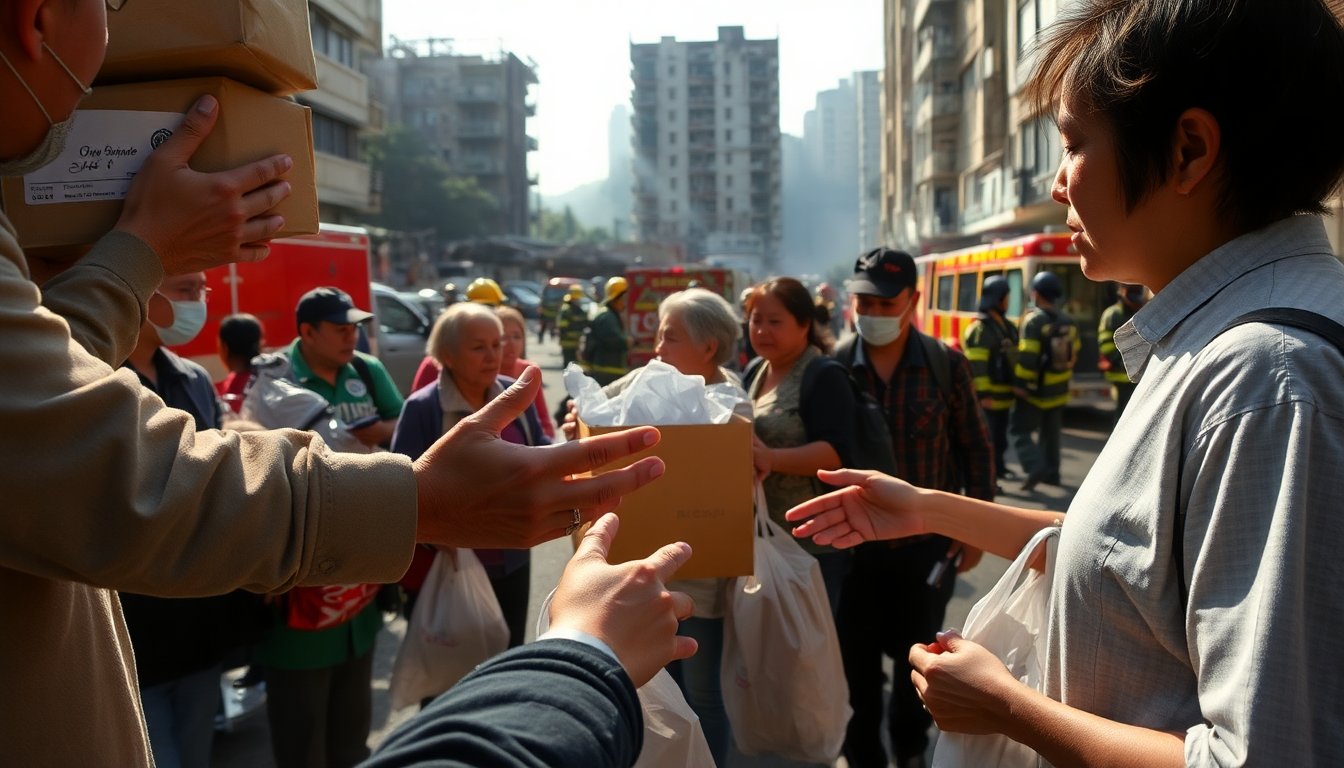
The council has established a detailed database of available support services for victims and has launched fundraising initiatives to aid those impacted by this tragedy. Community members have united to donate supplies, provide shelter, and extend emotional support to their neighbors, highlighting the strong sense of solidarity within Hong Kong.
Long-term implications and reforms
As the community begins to heal, discussions surrounding building safety regulations have gained momentum. The Chief Executive announced plans to establish a review committee to investigate the fire’s causes and examine systemic issues within the construction sector. This inquiry aims to prevent future tragedies and ensure that safety measures are effectively enforced.
Community activists and residents are advocating for reforms in building maintenance policies. They emphasize the need for transparency and accountability in future renovation projects. The hope is that this tragedy will lead to lasting change, resulting in a safer environment for all residents.
The fire at Wang Fuk Court has significantly affected the Tai Po community. It has exposed weaknesses in current safety regulations while highlighting the resilience of its residents. As Hong Kong faces the repercussions, the widespread support and demands for reform reflect a shared determination to create a safer future.