
U.S. shocks Canada in OT — first Olympic men’s hockey gold since 1980
Jack Hughes buried the overtime winner and the United States beat Canada 2–1 to claim gold at the Milano Cortina 2026 Winter Olympics. The goal — and the eruption that followed — felt huge: the country’s first men’s Olympic hockey title since the Miracle on Ice in 1980.
What it felt like
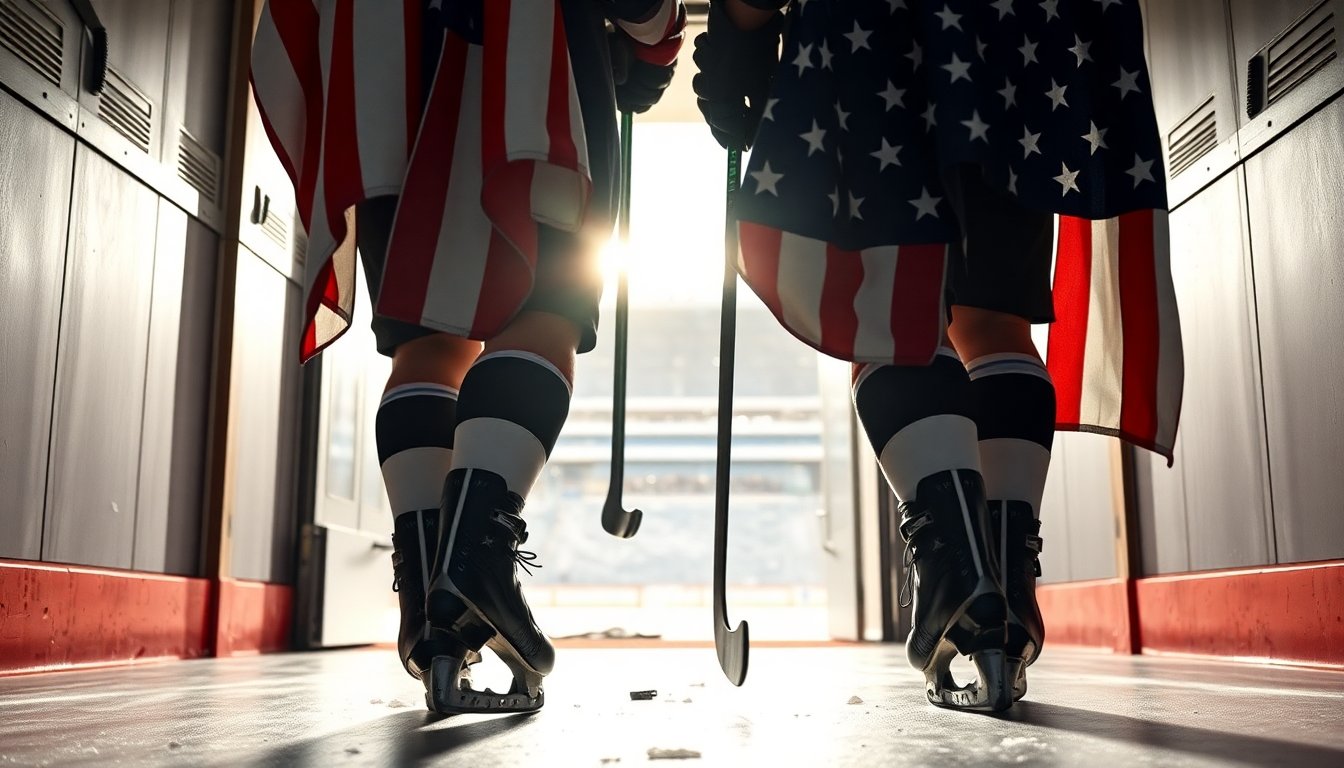
Players wore the flag like it mattered — because it did. After the final buzzer, the locker room spilled into joyful chaos, and teammates, families and fans celebrated like it was a once-in-a-lifetime moment. Brady Tkachuk called skating beside his brother Matthew and the other 23 guys “surreal” and said he “wouldn’t change it for the world.” Matthew kept it blunt and proud: “We deserve it. We’ll do anything it takes for this country.”
Big moments that mattered
– Jack Hughes’ OT goal decided it all. – Quinn Hughes kept the run alive earlier with a 2–1 overtime win over Sweden that had “U-S-A” chants and flags everywhere. – Goalie Connor Hellebuyck described the Games as “the most fun experience” of his life while already thinking about bringing that momentum back to Winnipeg and chasing a Stanley Cup.
Where these players came from
A lot of the roster credits structured development — programs like the U.S. National Team Development Program — for teaching them to play together and to wear the jersey with pride. Several teammates who spent time playing in Europe said that being away made representing the U.S. hit harder: after seeing other hockey cultures, wearing the Stars and Stripes felt even more meaningful.
What comes next
The spotlight is obvious — a White House visit and an invite to the State of the Union made that clear. Expect a surge of interest: sponsors, broadcasters, and young players tuning in. That excitement can spark more youth enrollment, better funding for coaching and facilities, and a real chance to grow the game — if organizations follow through.
But there’s a trade-off. Players will return to NHL schedules, and teams will need to balance recovery, club commitments, and new promotional duties. If administrators and clubs coordinate smartly, this moment could turn into long-term gains for American hockey. If they don’t, it may be a brilliant flash that fades.
Voices from the team
Beyond the headlines, teammates talked about sacrifice, unity, and gratitude. They celebrated the win as a group effort and kept reminding everyone that talent alone doesn’t win gold — years of coaching, medical support, and steady development pipelines do. Zach Werenski and Dylan Larkin echoed the same feeling: that every time you wear the jersey, you try to make it count.
Why it matters
This isn’t just another medal. For young players watching at home, it’s proof that U.S. hockey can reach the very top. For the sport’s ecosystem — from rinks and coaches to sponsors and broadcasters — it’s a moment to capitalize on. Done right, this could be the start of a bigger, deeper era for American hockey; handled poorly, it’s a great story that never really changes the game.