
Table of Contents
The facts
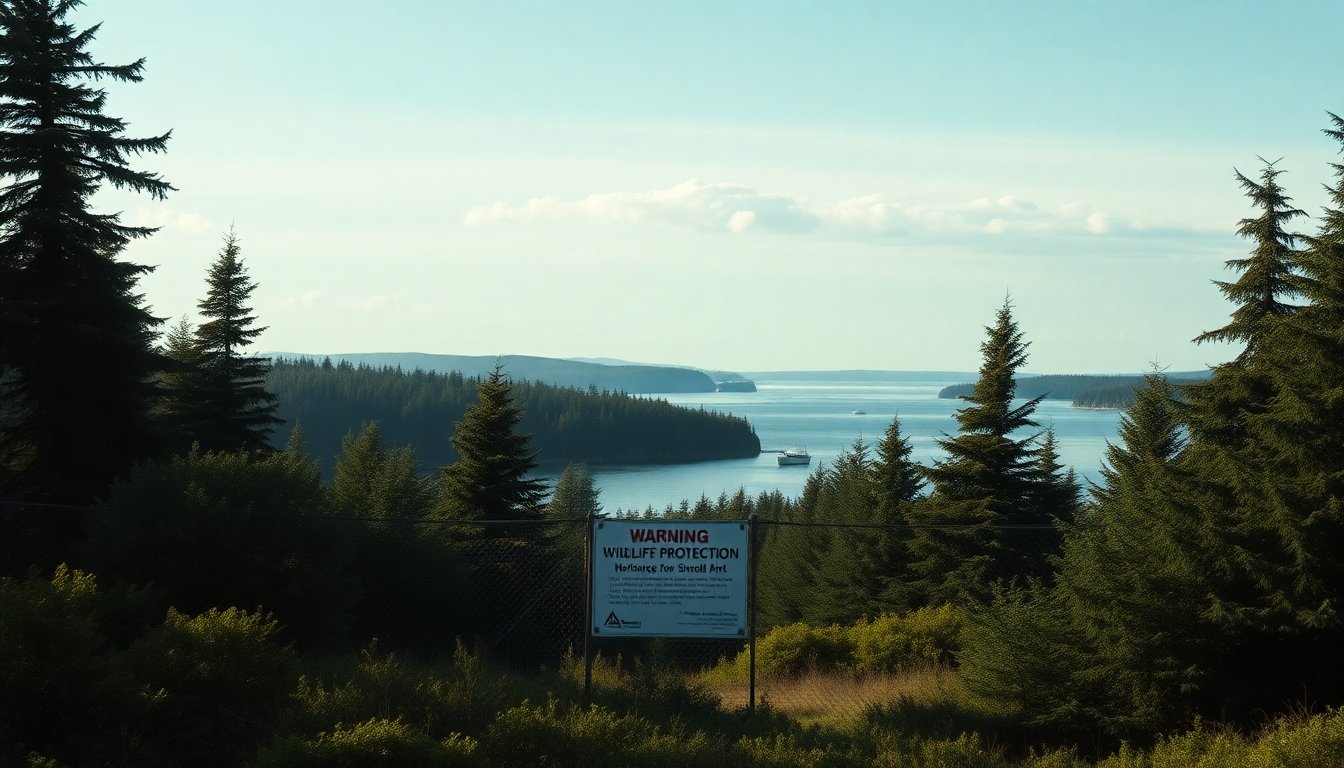
The tranquil environment of Texada Island has been shaken by a significant incident involving the death of a grizzly bear. Local residents Kody Bevan and Seneca Antony faced legal consequences after pleading guilty to breaching the Wildlife Act, legislation designed to safeguard the region’s wildlife. This case has ignited a broader discussion regarding the management of human-wildlife interactions in British Columbia.
Incident overview and legal repercussions
In a recent ruling, the Powell River provincial court ordered Bevan and Antony to pay a total of $6,000 for their failure to report the shooting of a grizzly bear, known as Tex, in a timely manner. The Wildlife Act mandates that any wounding or killing of wildlife must be reported promptly. This guideline highlights the importance of conservation efforts in protecting local wildlife.
The bear had resided on Texada Island for several weeks when residents, concerned for their dairy cows, shot the animal. They later asserted that the bear exhibited aggressive behavior, leading them to act in self-defense. However, their decision resulted in significant financial penalties, with part of the fines allocated to the Habitat Conservation Trust Foundation.
Community response and calls for change
The community’s reaction to the incident has been varied. Some residents express sympathy for Bevan and Antony, arguing they acted out of fear. Others are concerned about the broader implications of the court’s ruling. Critics warn that the fines could discourage individuals from reporting encounters with dangerous wildlife, potentially leading to future tragedies. This case has sparked important discussions about wildlife management practices in the province.
Expert opinions on wildlife management
Wildlife conservation experts have shared their insights on the situation. They emphasize that while the conviction acknowledges the importance of the law, it also reveals systemic issues in wildlife management. Nicholas Scapillati, executive director of the Grizzly Bear Foundation, pointed out that the Wildlife Act has not been updated since the 1800s, indicating a pressing need for reform. “This was an important conviction,” he stated. “However, we must examine how wildlife interactions are managed and ensure that individuals feel supported in reporting encounters without fearing repercussions.”
Tragic timing and relocation efforts
The bear, affectionately nicknamed Tex, was a young male who had swum to the island from the mainland. Plans were underway to relocate him to a safer environment, approximately 100 kilometers away, to minimize human-bear conflicts. Tragically, by the time the provincial government approved the relocation efforts, Tex had already been shot.
This incident has drawn attention to the need for a more efficient response system when dealing with wildlife. Ellie Lamb, a bear behavior educator, criticized the delay in the relocation process, stating that the system is “systemic” and requires significant improvements. She emphasized that timely action is essential in preventing future incidents.
Collaboration with First Nations
Calls for a more collaborative approach between the provincial government and local First Nations have also emerged. Scapillati pointed out the necessity for closer partnerships to effectively manage wildlife. “We need to work quicker and more closely with First Nations to handle these situations,” he noted, reflecting a broader sentiment that community involvement is vital for successful wildlife management.
As discussions surrounding the incident continue, it remains evident that the balance between human safety and wildlife conservation is delicate. The fines imposed on Bevan and Antony may serve as a reminder of the laws in place, but they also reveal the ongoing challenges faced by residents living alongside wildlife.