
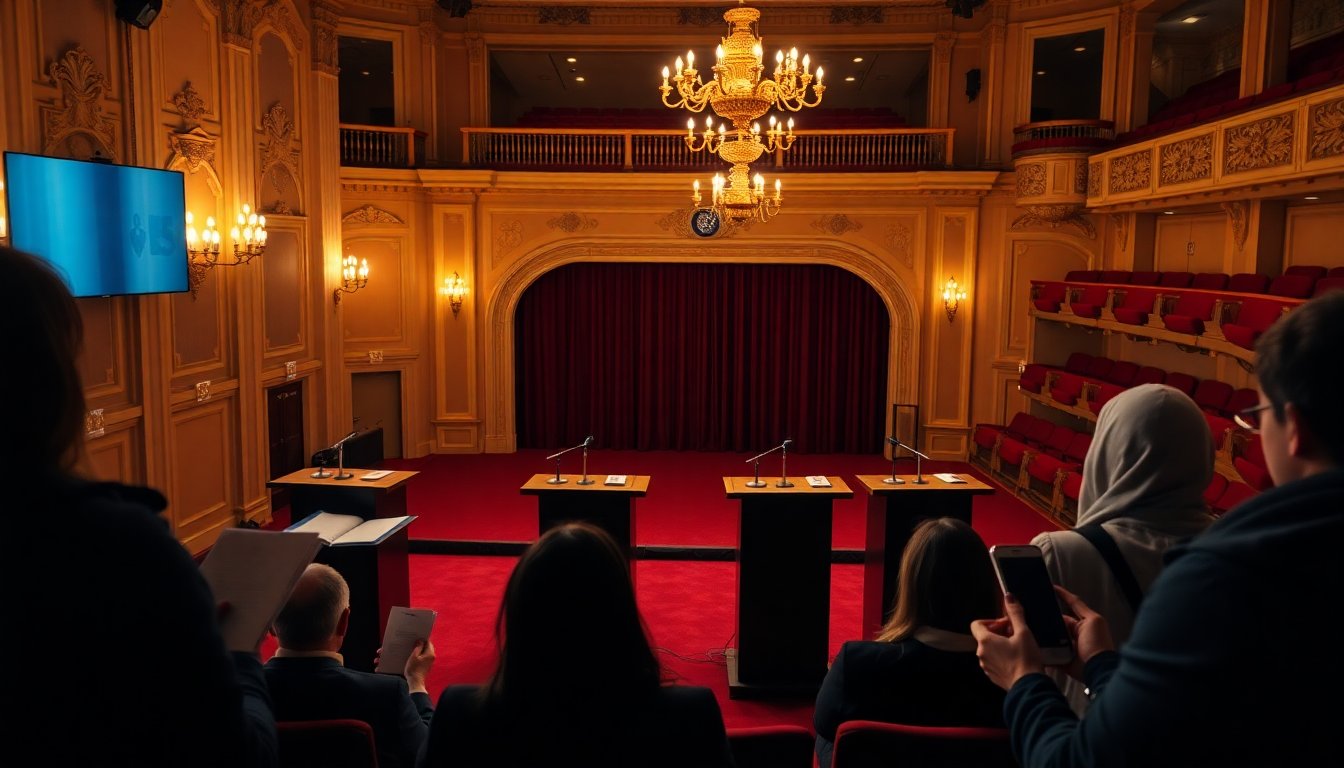
A single debate could reshape the race for Texas attorney general.
Tonight at 7 p.m. Central, four Republicans will take the stage at Dallas’s storied Granada Theater for the only joint forum before the March 3 primary. Put on by the Republican Attorneys General Association and produced with Blaze Media, the event — moderated by Texas native Allie Beth Stuckey — will be streamed live across multiple platforms, giving voters a last clear look at who might replace Ken Paxton, who has stepped aside to run for U.S. Senate.
Why this matters
The attorney general’s office in Texas is more than ceremonial: it decides which legal fights the state takes on, how aggressively Austin challenges federal policies, and which constitutional battles end up in national courts. With Paxton leaving the post for the first time in over a decade, the winner will inherit ongoing litigation and set legal priorities that ripple well beyond Texas borders. The debate comes at a high-stakes moment — early voting opens Feb. 17 — so performance tonight could sway undecided voters and donors alike.
Who’s on stage
Four Republican candidates offer sharply different visions for the office:
- – Chip Roy: The fourth-term congressman is a fixture of the House Freedom Caucus, known for hardline conservative positions and a combative legislative style. Roy emphasizes independence from party leadership and a record of conservative policy work in Washington.
- – Aaron Reitz: Running on a platform of aggressive state litigation, Reitz positions himself as a loyal defender of Trump-era priorities, promising quick, high-profile lawsuits on issues he calls urgent.
- – Mayes Middleton: The state senator echoes Reitz’s playbook on litigation and alignment with national conservative leaders, stressing energetic enforcement of conservative policies from Austin.
- – Joan Huffman: Also a state senator, Huffman leans the other way — a steadier, law-focused approach. She underscores legal experience within state institutions and says a careful, precedent-minded strategy best protects the rule of law.
What to expect on stage
Tonight will be about contrasts: bold, rapid-fire litigation vs. cautious, precedent-driven lawyering; loyalty to national figures versus claims of independent conservative stewardship. Reitz and Middleton will likely lean into a “sue-first, ask-questions-later” posture — rapid lawsuits, visible stances, maximum political signaling. Huffman will push a message of measured, defensible litigation designed to survive appeals and preserve institutions. Roy’s arguing points will probably highlight legislative chops and a reputation for independent conservatism, even as opponents cast him as not sufficiently aligned with Trump.
Three themes that will shape the campaign
1) Litigation strategy — which fights to pick, and how quickly. 2) Constitutional interpretation — how broadly the AG should read state authority against federal power. 3) Enforcement priorities — which issues (border policy, immigration, federal-state disputes) get the legal resources.
Tactics will matter nearly as much as policy: staffing plans, legal budgets and coordination with state agencies will tell voters whether promises are practical or only rhetoric. Expect campaigns to follow the debate with memos, fact sheets and rapid-response clips aimed at translating legalese into bite-sized messages for younger, digital-first audiences.
How the contest could shift after tonight
Debates often reconfigure momentum. A standout answer or a viral clip can bring new endorsements, boost fundraising, and change media narratives overnight. Conversely, a misstep on a legal nuance or a clash over loyalty to former President Trump could sharpen existing divisions and cost votes. Observers will watch who looks most capable of winning high-profile court battles — judicial credibility is a key currency in this race.
Logistics for voters
The Granada event is open to the public and will stream live via several outlets, including Fox News Digital and local broadcasters. Replays will likely be posted, giving early voters a chance to recheck answers before casting ballots starting Feb. 17.
What to watch next
– How each candidate describes actual implementation: staffing, budgets, and coordination with local officials. – Specific legal priorities: Which cases would be filed first, and on what legal grounds? – Messaging to younger voters: Will candidates translate technical legal strategies into crisp, digital-friendly narratives? – Immediate campaign reactions: Look for rapid-response videos, endorsement shifts, and fundraising bumps in the 48 hours after the debate.
Reporters and analysts will sift through post-debate policy papers, legal memos and filings to see whether tonight’s rhetoric can stand up to the scrutiny of real-world legal work. For voters who care about both principle and practicality, tonight offers a concentrated chance to compare temperament, experience and the appetite for courtroom fights that will shape Texas for years.
Why this matters
The attorney general’s office in Texas is more than ceremonial: it decides which legal fights the state takes on, how aggressively Austin challenges federal policies, and which constitutional battles end up in national courts. With Paxton leaving the post for the first time in over a decade, the winner will inherit ongoing litigation and set legal priorities that ripple well beyond Texas borders. The debate comes at a high-stakes moment — early voting opens Feb. 17 — so performance tonight could sway undecided voters and donors alike.0