
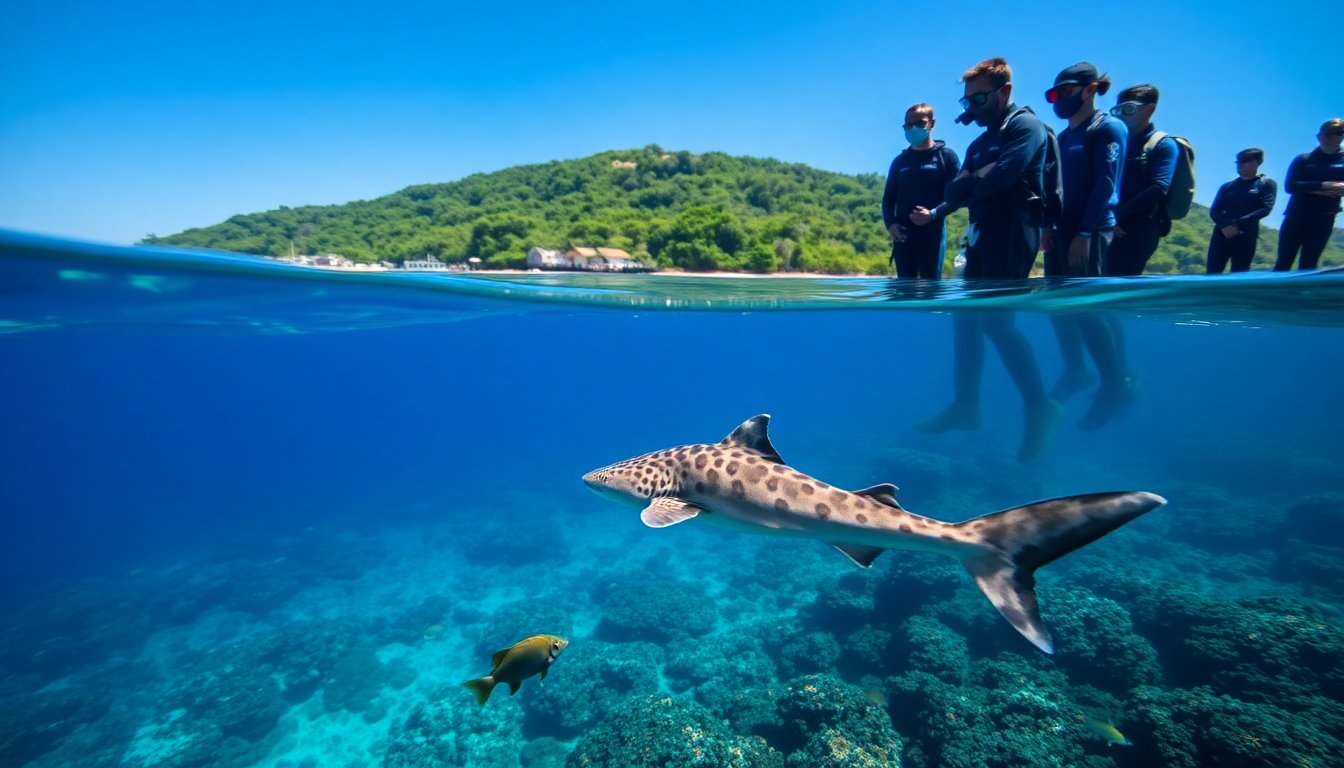
Thailand launches initiative to rewild endangered leopard sharks
In a significant step for marine conservation, Thailand has initiated its first project aimed at rewilding the endangered Indo-Pacific leopard shark. The project commenced with the release of a young shark into the clear waters surrounding Maiton Island, an area celebrated for its rich marine biodiversity. Historically abundant in this region, these unique sharks have experienced a drastic decline in population due to challenges such as overfishing and habitat degradation.
While these sharks thrived in controlled environments like aquariums, their populations in the wild have dwindled alarmingly over the past decade. Conservationists recognized that healthy breeding populations in captivity could play a crucial role in restoring wild numbers. This realization led to the inception of the StAR Project Thailand, a collaborative effort uniting various stakeholders, including government agencies, non-governmental organizations (NGOs), and aquarium facilities.
Introducing sharks back to their natural environment
As part of the StAR Project, young leopard sharks were raised in controlled settings before their release. Each shark underwent a rigorous preparation process that included months of acclimatization in a designated sea pen, where they learned essential wild survival skills. This phase is critical to ensure that they can adapt and thrive once they return to the ocean.
Steps toward successful rewilding
Before their release, marine veterinarians conducted comprehensive health assessments of the sharks to ensure they were fit for life in the wild. Project manager Metavee Chuangcharoendee expressed optimism about the rewilding efforts. She stated that the true measure of success would be reflected in frequent sightings of these sharks by divers, evidence of their natural reproduction, and their absence from local fish markets.
This strategy emphasizes the importance of not only releasing bred sharks but also focusing on habitat protection and reducing pollution in the marine environment. The combination of these efforts aims to create a sustainable ecosystem where leopard sharks can thrive once again.
Challenges faced by leopard sharks
The plight of the leopard shark highlights the broader challenges facing marine species worldwide. Habitat loss, primarily due to human activities, poses a significant threat to their survival. In addition to overfishing, which directly diminishes their populations, environmental degradation from coastal development and pollution further complicates their situation.
The popularity of leopard sharks in the aquarium trade creates a disconnect between their thriving existence in captivity and their declining numbers in the wild. As conservationists strive to bridge this gap, initiatives like the StAR Project represent a beacon of hope. These targeted efforts demonstrate that it is possible to reverse trends of decline.
Broader implications of rewilding
Rewilding has far-reaching implications, not only for the targeted species but also for the entire marine ecosystem. By restoring the leopard shark population, the health of coral reefs and other critical habitats can be significantly enhanced. These sharks play a crucial role in regulating the populations of their prey, which contributes to maintaining a balanced ecosystem.
Thailand’s innovative initiative marks a substantial advancement in leopard shark conservation. As conservationists, researchers, and local communities collaborate to support these efforts, there is optimism that these actions will yield positive outcomes for both leopard sharks and the broader marine environment. The future of these magnificent creatures, once common in Thailand’s waters, hinges on the successful integration of human and ecological initiatives.


