
Table of Contents
In a surprising turn of events, television personality Dr. Phil, renowned for his candid psychological insights, is currently facing significant legal challenges. His newly established media company, Merit Street Media, aimed at promoting family values and addressing what he termed ‘woke culture,’ has filed for bankruptcy just over a year after its launch.
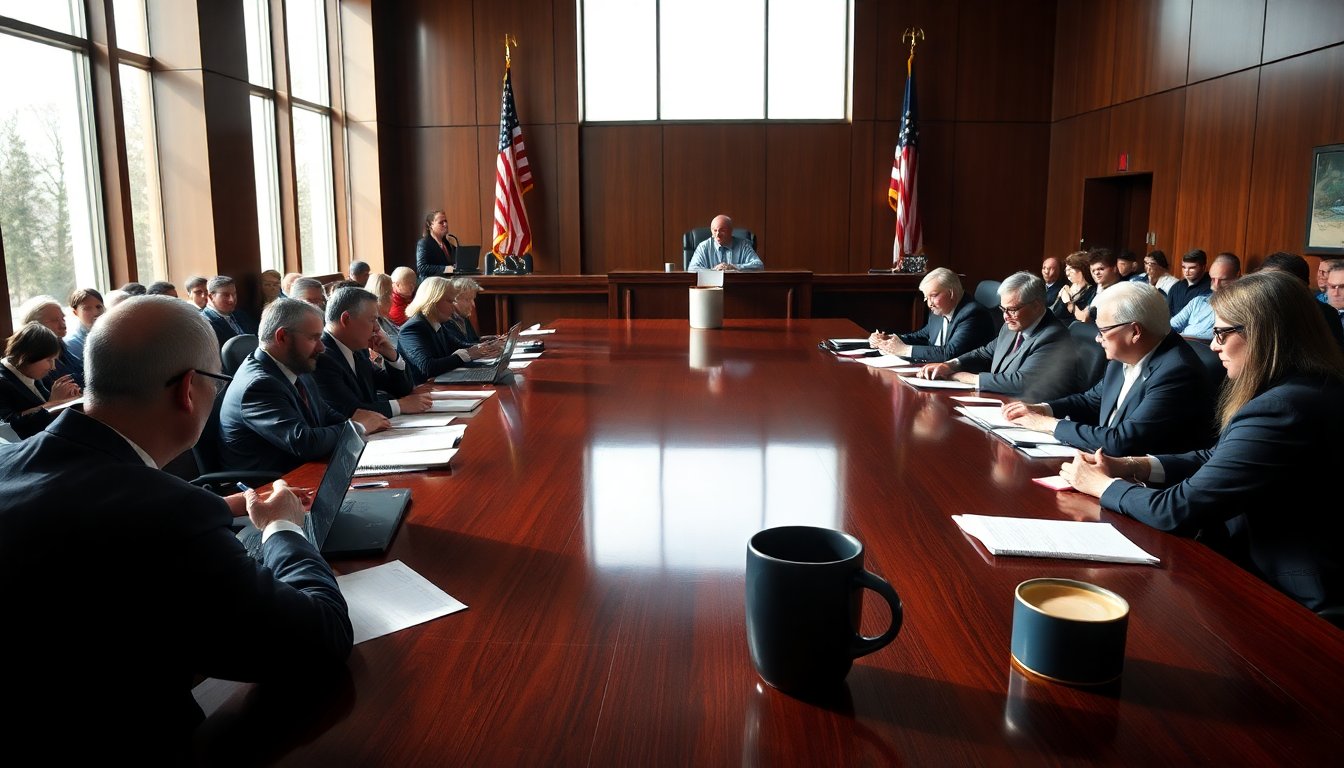
During a hearing in October, Judge Scott Everett expressed skepticism regarding the unusual circumstances surrounding the Chapter 11 filing. Allegations of evidence tampering and misleading statements from key figures marred the case. The judge specifically noted accusations that McGraw deleted messages potentially crucial to the bankruptcy proceedings.
The rise of Dr. Phil’s television career
Dr. Phil, whose real name is Phillip McGraw, gained national prominence in the late 1990s as a regular guest on Oprah Winfrey’s talk show. His ascent was largely due to his role as a psychological advisor to Winfrey during her legal battles concerning a controversial episode about mad cow disease. This association propelled him into the spotlight, leading to the launch of his own television program, Dr. Phil, which debuted in 2002.
For over two decades, the show became a fixture in American households, addressing issues ranging from addiction to family dynamics. McGraw’s direct and forthright approach resonated with viewers, earning him a loyal audience and numerous accolades, including 31 Daytime Emmy nominations.
The transition to Merit Street Media
After concluding 21 successful seasons of his talk show, McGraw sought to establish himself independently. He founded Merit Street Media in Texas, envisioning a platform resonant with audiences who shared his values. However, this transition proved difficult as the television landscape shifted toward digital platforms, with many viewers favoring streaming services over traditional broadcasts.
Despite his previous achievements, McGraw encountered significant obstacles. The decline of syndication and the rise of platforms like YouTube and TikTok diminished the audience for daytime talk shows. Media expert Robert Thompson noted that the Dr. Phil era had peaked, making it challenging to replicate that success in a new venture.
Controversies and challenges faced by Merit Street Media
As the bankruptcy proceedings unfolded, several controversies surrounding McGraw’s career resurfaced. Critics pointed to instances where he appeared to exploit his platform for personal gain. Notably, in 2006, he faced legal issues related to claims made about a line of nutritional supplements, resulting in a substantial settlement.
Additionally, his involvement in sensitive situations, such as visiting pop star Britney Spears during a mental health crisis, attracted criticism from her family, who felt that his actions compounded their challenges rather than providing genuine support. McGraw later acknowledged the backlash and expressed regret over his public statements.
The struggles of Merit Street Media
Merit Street’s journey was fraught with internal strife and external challenges. Despite launching with high hopes, the network struggled to attract viewers, with reports indicating it garnered only 27,000 weekly viewers at one point, placing it at the bottom of U.S. channel ratings.
Moreover, relations with partners quickly soured, particularly with Trinity Broadcasting Network, leading to a lawsuit accusing McGraw’s company of financial mismanagement. As financial pressures mounted, Merit Street was compelled to seek bankruptcy protection, listing liabilities exceeding $100 million.
Looking ahead: The future of Dr. Phil
During a hearing in October, Judge Scott Everett expressed skepticism regarding the unusual circumstances surrounding the Chapter 11 filing. Allegations of evidence tampering and misleading statements from key figures marred the case. The judge specifically noted accusations that McGraw deleted messages potentially crucial to the bankruptcy proceedings.0
During a hearing in October, Judge Scott Everett expressed skepticism regarding the unusual circumstances surrounding the Chapter 11 filing. Allegations of evidence tampering and misleading statements from key figures marred the case. The judge specifically noted accusations that McGraw deleted messages potentially crucial to the bankruptcy proceedings.1