
Table of Contents
In the vibrant landscape of cinema, few animated films have captured the hearts of audiences quite like Disney’s Zootopia 2. Released in late November, this sequel continues the adventures of beloved characters while introducing a new hero: a snake named Gary De’Snake. This character resonates particularly well in China, where the film has become the highest-grossing foreign animated feature, reflecting cultural sentiments that deeply connect with viewers.
Gary De’Snake: A cultural icon for the Year of the Snake
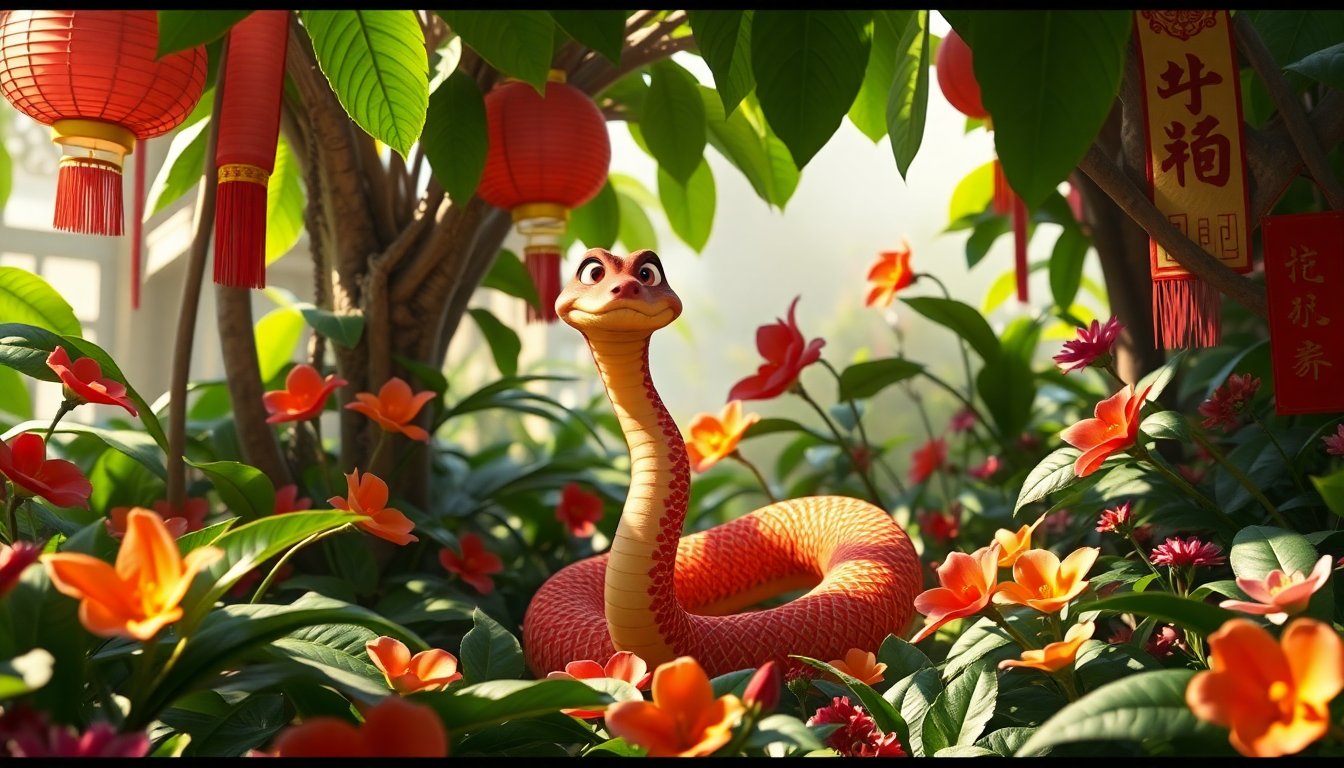
Disney’s choice to feature Gary as a prominent character is a strategic acknowledgment of the Chinese Zodiac, particularly focusing on the Year of the Snake. Within this cultural context, the snake represents wisdom, intuition, elegance, and renewal. Jared Bush, co-director of the film, emphasized how Gary exemplifies these qualities, enabling audiences to perceive snakes in a more favorable light.
Transforming stereotypes
Snakes have long been depicted negatively in Western storytelling. From the deceitful serpent in biblical texts to treacherous characters in various myths, they often symbolize betrayal and chaos. Hollywood has reinforced these stereotypes, portraying snakes as sinister creatures, limiting their representation in film. Zootopia 2 challenges this narrative. Instead of casting Gary as a villain, the film presents him as a misunderstood character, striving for acceptance and harmony among different species.
Voiced by the talented Ke Huy Quan, Gary is portrayed as soft-spoken and empathetic. His journey reflects a profound struggle against prejudice, mirroring real-world issues of discrimination faced by various communities. By casting a snake in a positive role, Disney challenges long-held beliefs and encourages audiences to rethink their perceptions of these creatures.
The significance of cultural symbols in storytelling
The cultural richness of Zootopia 2 extends beyond character development. It skillfully incorporates Chinese symbols and motifs that resonate with local audiences. For example, a scene where Gary and Judy Hopps embrace symbolizes the snake coiled with rabbit, a traditional emblem of good fortune in Northern China. This artistic choice honors cultural heritage while maintaining authenticity.
Cultural connections through fashion
Gary’s fashion choices play a role in bridging cultures. His vibrant red scarf, often perceived as playful by Western audiences, holds deep significance in China. In Chinese culture, red symbolizes prosperity and is traditionally worn during one’s zodiac birth year to repel misfortune. This attention to detail underscores Disney’s commitment to cultural sensitivity and inclusivity.
The influence of Gary De’Snake on real-life trends
The success of Zootopia 2 has led to an unexpected trend in China: an increasing interest in owning pet snakes, especially the Indonesian pit viper. Following the film’s release, major e-commerce platforms reported a surge in searches for this species, highlighting how animated portrayals can impact real-world behavior. This trend mirrors previous patterns, such as the rise in clownfish purchases after the release of Finding Nemo.
While this newfound enthusiasm for owning exotic pets is noteworthy, it raises significant concerns regarding safety and responsibility. Although Gary represents a friendly and adventurous spirit, the reality of owning a venomous creature entails inherent risks. Authorities have issued warnings that, unlike their cinematic counterparts, real snakes can pose dangers. They urge potential owners to carefully consider the implications before making such decisions.
A new chapter in cross-cultural storytelling
Zootopia 2 exemplifies a shift in Hollywood’s storytelling approach, as films increasingly aim to connect with diverse audiences. The character of Gary De’Snake marks a significant departure from traditional narratives, highlighting the importance of cultural representation and the necessity for nuanced storytelling. As audiences become more culturally aware, the demand for authentic and relatable characters continues to grow.
The journey of Gary De’Snake in Zootopia 2 not only entertains but also highlights the significant role of storytelling in challenging stereotypes. The film captivates audiences and sets the stage for future narratives that embrace diversity and inclusivity. This approach fosters global dialogue, ultimately contributing to mutual respect and appreciation among different communities.