
Table of Contents
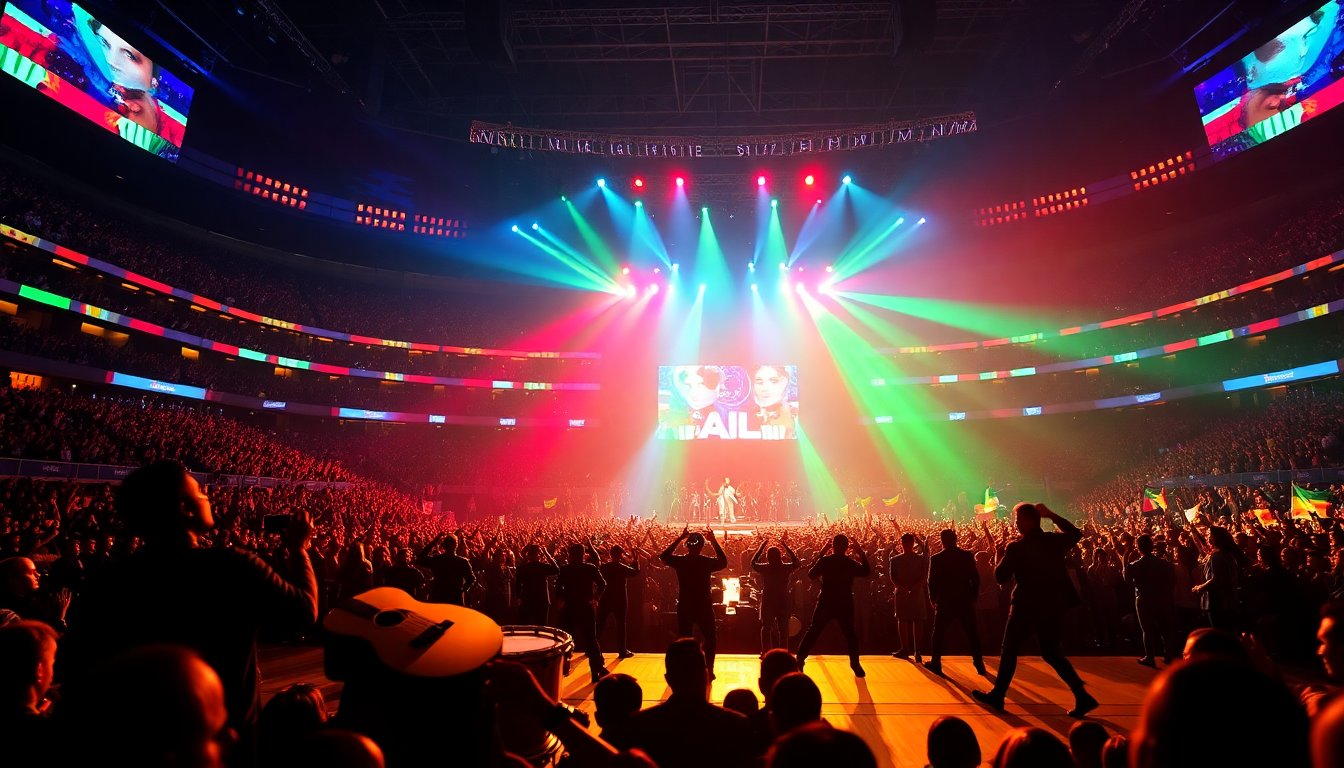
Bad Bunny’s performance at the super bowl LX halftime show has ignited discussions about cultural representation at major events. While many viewers celebrated the vibrant display of talent, others criticized the performance for its perceived disconnect from traditional American values and the dominance of the English language.
The facts
Bad Bunny’s halftime show introduced a celebration of Latin culture that resonated with some audiences. Viewers familiar with Spanish found the performance engaging and lively. However, a significant portion of the audience voiced frustration over the absence of English lyrics. Critics argue that the Super Bowl should resonate with a broad American audience. This divergence in opinion has sparked a heated debate about inclusivity in such a prominent cultural event.
The consequences
The reaction to Bad Bunny’s performance reflects broader tensions regarding cultural representation in American media. Supporters argue that incorporating diverse languages and cultures enriches the experience. Detractors maintain that English should remain the dominant language in mainstream events. This ongoing discussion highlights the challenge of balancing cultural expression with audience expectations.
The facts
Fans of Bad Bunny, particularly from Latin backgrounds, praised the performance for its vibrant choreography and staging. Many viewed it as a chance to showcase their culture during the Super Bowl. This celebration of Latin music and dance marked a significant move towards greater representation in an event historically dominated by English-speaking artists.
Reactions
However, some critics expressed their concerns, arguing that the performance may have alienated a portion of the American audience. Comments such as, “The Super Bowl is about American unity,” reflect a belief that the halftime show should reinforce national identity. Detractors contended that a performance conducted entirely in Spanish failed to connect with the broader American public, thereby detracting from the spirit of the event.
The implications of language and culture
The language barrier raised significant questions regarding cultural representation and acceptance in American media. Some viewers perceived the performance as a regression in the ongoing dialogue about inclusivity. In contrast, defenders of the show contended that embracing languages beyond English can enrich the cultural landscape of the United States.
Critics highlighted the absence of political messaging that resonates with a wider audience. They argued that Bad Bunny’s performance, while visually impressive, lacked the depth of social commentary that could have amplified its impact. Comparisons were made to earlier works, such as “West Side Story,” which were seen as more effective in conveying powerful narratives through music and performance.
The role of the NFL in shaping cultural narratives
The National Football League (NFL) plays a significant role in addressing social issues and fostering cultural dialogue through its platform. By featuring artists like Bad Bunny, the NFL demonstrates its commitment to embracing diversity. However, this approach also raises questions about the motivations behind such inclusivity. Are these performances authentic celebrations of culture, or are they strategic efforts aimed at attracting a wider audience?
The halftime show encapsulates broader cultural debates within the United States. It prompts discussions about who defines American culture and the impact of language in shaping that identity. The reactions to these performances reflect ongoing tensions in society regarding representation and acceptance.
The facts
Bad Bunny’s performance at Super Bowl LX has sparked important discussions about cultural representation and inclusivity in entertainment. Audience reactions are shaping the narrative around the event, highlighting the ongoing dialogue at the intersection of culture and sports.
The consequences
The Super Bowl, as a significant cultural event, continues to navigate themes of diversity. Engaging all audience segments while honoring the various cultural identities in the United States poses a considerable challenge. This dynamic reflects the broader societal conversations about representation and acceptance.
As the conversation surrounding the NFL and cultural narratives evolves, it remains to be seen how future performances will address these critical themes.