
Table of Contents
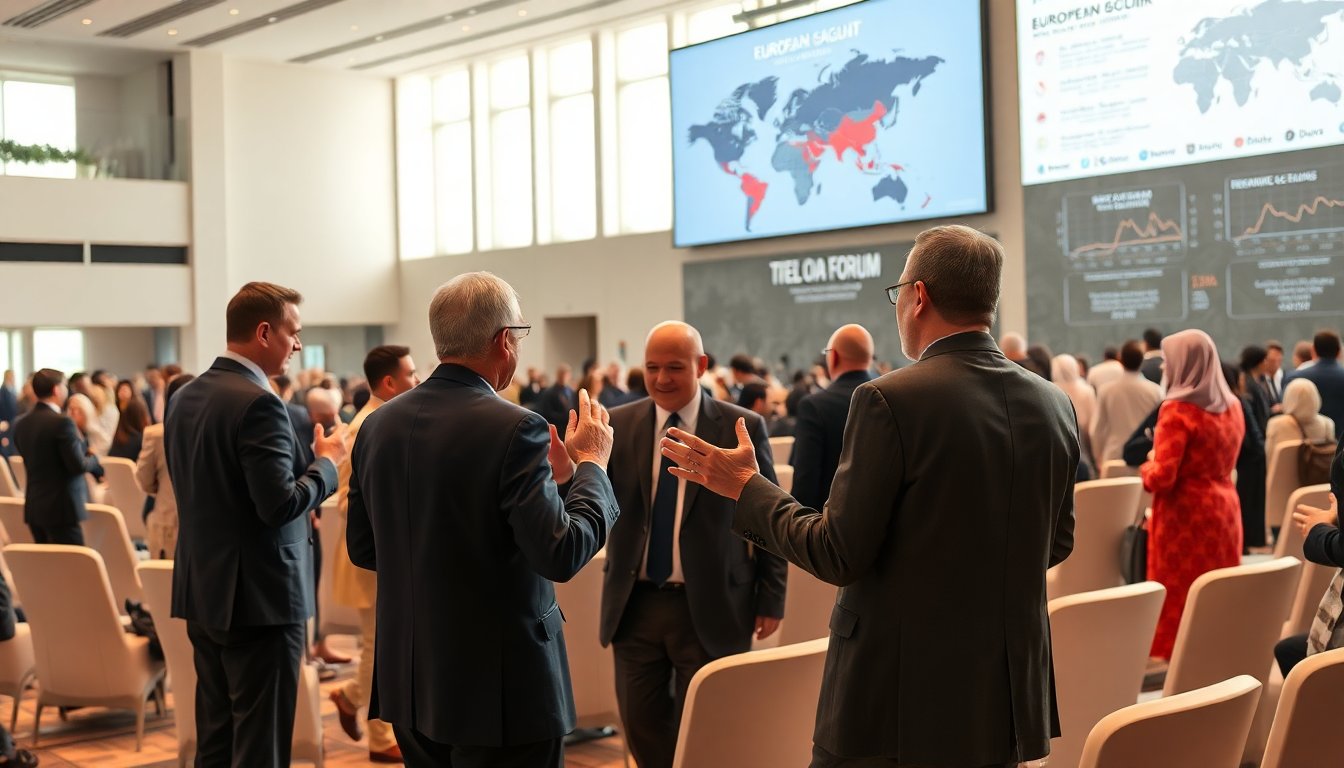
The recent Doha Forum underscored a significant shift in global political dynamics, revealing Europe’s declining influence and relevance. As the world faces complex challenges, the forum served as a litmus test for Europe’s position in international affairs. This decline is evident in the latest national security strategy released by the Trump administration, highlighting the precarious status of European nations.
High-ranking officials from the United States have indicated that Europe is being sidelined in favor of a more assertive global governance approach. US Ambassador to NATO, Matthew Whitaker, made blunt remarks during the forum, emphasizing that Europe’s role is no longer as pivotal as it once was.
Understanding the implications of shifting power dynamics
As Europe reflects on its diminishing seat at the table, it must consider the implications of this new reality. The concept of vicarious primacy, where European nations enjoyed influence through the United States, is fading. Leaders must now contemplate the potential for strategic autonomy. This shift compels European countries to rethink their foreign policy and strive for a more independent stance in global affairs.
The call for strategic autonomy
In light of recent developments, European leaders increasingly recognize the need for a unified approach. The notion of strategic autonomy reflects a desire to rely less on external powers, particularly in security matters. This quest for independence addresses the loss of influence and seeks to safeguard European interests in a rapidly changing world.
Challenges ahead for Europe
The challenges facing Europe are manifold. As conflicts arise in regions such as the Middle East, foreign leaders at the Doha Forum expressed urgency for international cooperation and peacekeeping forces. However, there is palpable pessimism regarding the prospect of progress.
The European response to global crises
One pressing issue is the ongoing conflict in Ukraine, where Europe finds itself in a difficult position. The National Defense Authorization Act (NDAA) has imposed restrictions on troop deployments, leaving European nations feeling vulnerable and obligated to support ongoing military efforts. Furthermore, Belgium’s cautious approach to using frozen Russian assets illustrates the complexities of maintaining unity among European states.
In this context, the call for a more coherent European response to crises grows louder. Addressing such challenges through collaboration and a shared vision has become imperative as Europe seeks to reclaim its position in the global arena.
Reimagining Europe’s role in a new era
As Europe moves forward, it is crucial to reimagine its role in global affairs. The Doha Forum serves as a reminder that complacency is no longer an option. European nations must adapt to the evolving landscape of international relations, embracing a proactive stance that prioritizes their interests and bolsters their global influence.
The path ahead requires a commitment to unity, strategic planning, and an unwavering resolve to navigate the shifting tides of global politics. Only then can Europe hope to regain its footing and ensure its voice is heard in the corridors of power.