
Table of Contents
Rising prices hit daily life in Russia
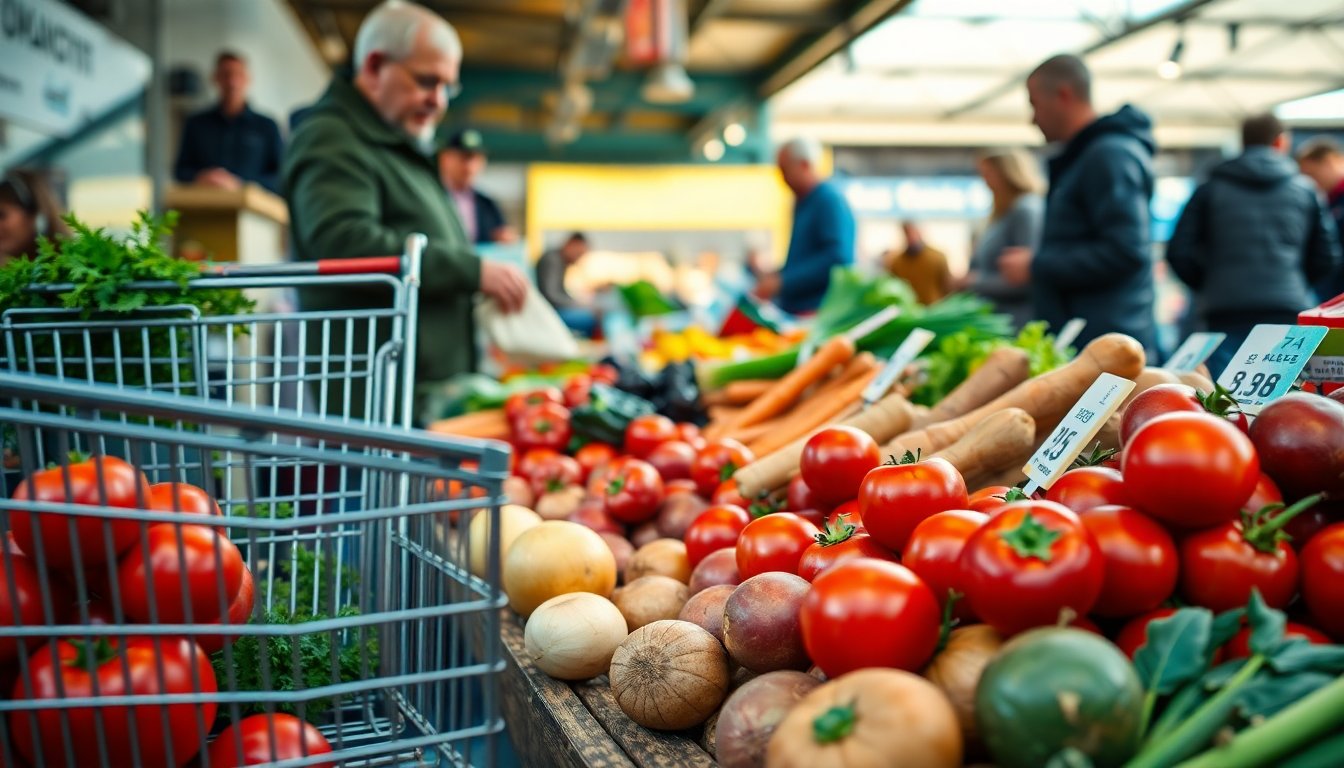
As begins, many Russians are facing a troubling reality: essential goods are becoming increasingly expensive. This is not just a statistical blip; it’s significantly impacting the daily lives of individuals and families across the country. Prices for staple items, including vegetables, meat, dairy products, and even pet supplies, are on the rise. The financial pressure is evident. To better understand this situation, we collected firsthand accounts from various regions, showcasing the unique challenges people encounter in their everyday routines.
Living on a tighter budget
In Moscow, a student namedOskarshared his disheartening experience. Last year, he maintained a daily budget of 600 rubles (approximately $8), which allowed him to purchase essentials likecottage cheese, pelmeni, and vegetables. Today, his budget has increased to around 900 rubles (about $12), leaving little room for indulgences. Meat has become scarce in his diet, now limited to affordable options such as bacon or the occasional fatty pork cut.
Dining out, once a simple pleasure, has turned into a luxury he can scarcely afford. The prospect of spending 400 rubles (over $5) on a single coffee discourages him from socializing. Oskar has learned to prioritize ingredients that last longer and avoid those that he would consume quickly, such as sweets and bananas, which he used to enjoy.
Challenges of retirement
In Saratov,Tamarafaces a different set of challenges. Living on a pension of 22,000 rubles (approximately $287) per month, she often relies on her son for assistance with utilities and groceries. Recently, her shopping trip highlighted the harsh realities of inflation; she paid 63 rubles (82 cents) for a single red bell pepper, which amounts to nearly 400 rubles per kilo (about $2.37 per pound). These rising prices have forced her to adjust her shopping habits, opting to purchase only what she needs and visit the store more frequently.
Working harder for less
In Novosibirsk,Marusya, a recent college graduate, has taken on part-time work as a courier to cope with soaring living costs. Grocery prices have surged by about 30%, transforming each shopping trip into a financial challenge. With her budget stretched thin, Marusya meticulously evaluates every purchase, balancing between necessities and occasional treats. Her previously carefree lifestyle now revolves around careful planning, akin to organizing a special dinner outing.
In St. Petersburg, an anonymous individual living with blindness is grappling with increasing difficulties. Relying solely on a disability benefit, the rising costs of food, transportation, and medical supplies are overwhelming. Despite their best efforts to economize, they are forced to cut back on essential expenses, such as pet care, and are even forgoing necessary medical services due to prohibitive costs.
Adapting to the circumstances
In Primorsky Krai,Romanobserves significant shifts in the local market, with many items disappearing from store shelves as prices continue to rise. In response, his family has begun making dairy products at home and purchasing goods only when they are on sale. They are also considering raising chickens and growing vegetables to alleviate the financial strain of rising grocery bills.
Meanwhile, in Irkutsk,Galinarepresents a community grappling with a mix of resignation and concern. The daily cost of living is increasing, reflecting broader economic challenges related to ongoing conflicts and sanctions. While some residents seek alternatives, the quality of these substitutes often fails to meet previous standards, negatively impacting their
The emotional toll
In Vladivostok,Nataliaexpresses her frustration with grocery shopping. What once offered affordable meal options has turned into a stressful experience. She now navigates aisles filled with exorbitantly priced goods. To manage costs, Natalia resorts to purchasing expired food near her home, a practice that, while unpleasant, has sadly become a new norm.
Alexanderfrom Sterlitamak shares a sense of hopelessness about the future. Despite maintaining a decent income, he feels the heavy burden of supporting his family. With rising prices, he worries about the sustainability of their finances, especially for elderly relatives and younger siblings who depend on him. The emotional toll of these financial pressures weighs heavily on him and others in similar situations.
The shifting economic landscape has left many in Russia grappling with uncertainty. Citizens are adjusting their spending habits and daily routines amid unprecedented challenges. The prevailing mood reflects a deep concern for the future, as individuals express a desire for relief from the economic pressures impacting their lives.