
Table of Contents
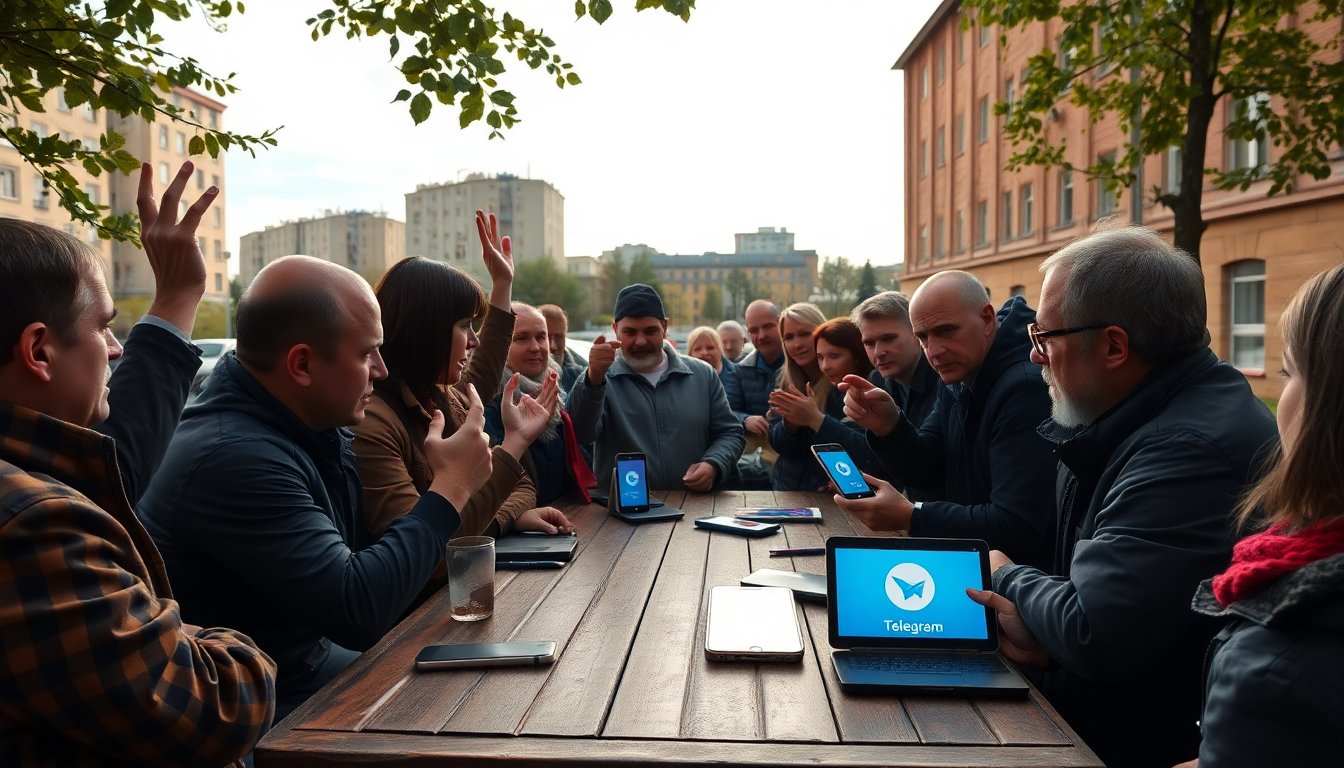
The recent decision by Russia’s federal censorship agency, Roskomnadzor, to impose additional restrictions on the popular messaging platform Telegram has sparked significant backlash from pro-war military bloggers. These influencers, who primarily use Telegram to share information, voiced their frustrations following reports of widespread service disruptions across the country.
Many bloggers expressed their discontent on the platform, with one user sarcastically noting that while they cannot disable Starlink for Ukrainian forces, they can indeed hinder Telegram for Russian users. This comment underscores the growing tensions within the military blogging community, as they confront limitations that threaten their operational capabilities.
The significance of Telegram for the Russian military
Telegram has become an essential tool for the Russian military, particularly among soldiers on the front lines in Ukraine. However, it is not the only communication method available. Previously, Russian troops relied heavily on Discord, originally designed for gamers, to coordinate operations and share live drone footage. This option was blocked when Russia restricted access to the service in, pushing military units to find alternative communication methods.
Shift to Starlink and its implications
To bypass the restrictions on Discord, Russian forces began utilizing Starlink, a satellite internet service provided by Elon Musk’s SpaceX. This service allowed them to maintain communication, but recent developments have complicated the situation. SpaceX is now working with Ukrainian authorities to disable unregistered Starlink terminals within Ukraine, directly affecting Russian military units relying on this service.
This situation raises an important question: why did SpaceX delay action against unauthorized Starlink usage by Russian forces? This delay enabled Russian troops to maintain a technological advantage in communications, but with increased pressure from Ukraine, this advantage may soon diminish.
Impact on military bloggers and the Z-influencer economy
The disruptions to Telegram are not just a communication issue; they also jeopardize the livelihoods of Russian military bloggers, who depend on the platform for income and audience engagement. These bloggers play a crucial role in the Z-influencer economy, using Telegram for content sharing, crowdfunding, and generating revenue through advertising.
Effects on the Z-blogger community
As restrictions on Telegram tighten, many pro-war bloggers are left scrambling to adjust to the new reality. They risk losing their primary means of connecting with followers and securing funding. The ongoing censorship creates a ripple effect that could undermine their ability to influence public opinion and support for military operations.
Furthermore, as Russian networks become increasingly restrictive, the loss of Telegram could lead to a significant communication breakdown within the military community and among its supporters. Relying on a civilian messaging app, particularly one based in Dubai, raises concerns about the security and effectiveness of military communications.
The future of communication for the Russian military
The Kremlin’s latest move against Telegram and the wider censorship landscape suggest a precarious future for communication within the Russian military. As they contend with the loss of key platforms and services, they must reevaluate their strategies to maintain operational effectiveness. With the ongoing conflict in Ukraine, the stakes are higher than ever, and the consequences of these communication restrictions could be profound.