
Table of Contents
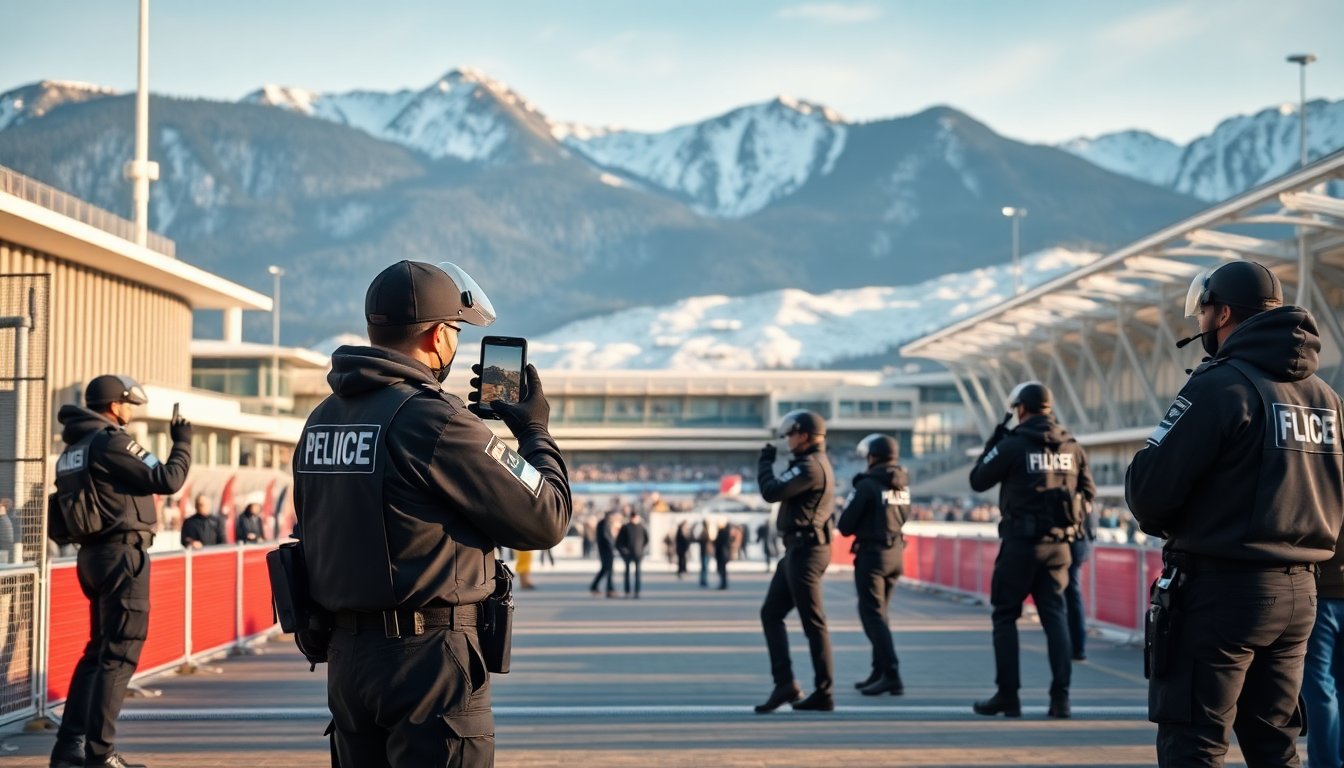
The upcoming Milan Cortina Winter Olympics, scheduled from February 6 to 22, 2026, will incorporate a noteworthy element in its security strategy. U.S. Immigration and Customs Enforcement (ICE) agents are set to participate in safeguarding the event, as reported by the U.S. Embassy in Rome. This involvement has elicited discussions and controversy, particularly concerning the nature of ICE’s role.
Reports confirmed by the Associated Press indicate that ICE will not engage in immigration enforcement during the games. Instead, these agents will support the Diplomatic Security Service of the U.S. Department of State, collaborating with local Italian authorities to ensure the safety of attendees and participants.
ICE’s role in Olympic security
ICE’s involvement at the Winter Olympics mirrors practices from previous international sporting events. Federal agencies have historically contributed to the security of U.S. diplomats abroad, with the investigative arm of ICE known as Homeland Security Investigations (HSI) often participating in these operations. While these roles are well-established, this specific deployment has raised concerns among local officials and the public.
According to anonymous sources, ICE agents will assist in evaluating and addressing potential threats from transnational criminal organizations during the games. They emphasized that all security operations will fall under the jurisdiction of Italian authorities, ensuring that the primary responsibility remains local.
Local reactions and concerns
The announcement regarding ICE’s involvement has generated significant backlash from local leaders. Giuseppe Sala, the Mayor of Milan, has openly opposed the agency’s presence, characterizing ICE as a ‘militia that kills.’ He expressed his concerns during an interview, stating, “It is clear they are not welcome in Milan, without a doubt.” His remarks reflect a broader sentiment among residents who view ICE’s reputation in the United States as concerning.
In contrast, Italian Interior Minister Matteo Piantedosi has adopted a more measured stance. While he acknowledged the lack of formal confirmation regarding ICE’s deployment, he downplayed concerns, suggesting that their presence should not pose an issue. This divergence in opinions underscores the complexity of international cooperation in security matters.
Context of ICE’s operations
ICE’s operational history in the U.S. has been marked by controversy, particularly regarding its enforcement actions in immigrant communities. Recent events in Minneapolis have intensified scrutiny, as federal officers have been involved in incidents leading to protests and public outcry. Videos showing ICE agents threatening journalists have fueled additional criticism, with many arguing that such actions reflect the agency’s aggressive tactics.
The context of these operations adds layers of complexity to their role in the Olympics. The presence of U.S. officials at international events like the Winter Games is not uncommon. For instance, during the Rio Olympics, agencies such as the Transportation Security Administration were deployed to assist with airport security, illustrating a pattern of U.S. involvement in international security efforts.
U.S. delegation at the games
Leading the U.S. delegation to the Olympic opening ceremony will be Vice President JD Vance, accompanied by second lady Usha Vance and Secretary of State Marco Rubio. The composition of this delegation highlights the event’s diplomatic significance, reinforcing the need for robust security arrangements.
As the Olympics draw closer, the interplay between local sentiment and federal security measures will continue to unfold. The collaboration between ICE and Italian authorities may serve as a pivotal case study in international diplomatic security, raising questions about how countries balance security needs with public perception and local governance.