
Table of Contents
The Sundance Film Festival has long served as a significant platform for independent cinema, showcasing daring voices that challenge societal norms. Established by actor and director Robert Redford, the festival emerged from a desire to promote independent filmmaking and provide a space for underrepresented narratives. In examining its evolution, it is crucial to consider how the festival has responded to social and political shifts.
In 2013, Redford passionately addressed the need to combat discrimination in society. He urged his audience in Utah to support an anti-discrimination proposal aimed at protecting individuals from bias based on gender identity and sexual orientation. His belief in the power of collective action resonated strongly, leading to the bill’s passage 18 months later. Redford’s advocacy underscores the importance of utilizing one’s voice for the greater good, as reflected in his closing quote from T.S. Eliot: ‘There is only the trying. The rest is not our business.’
The changing landscape of Sundance
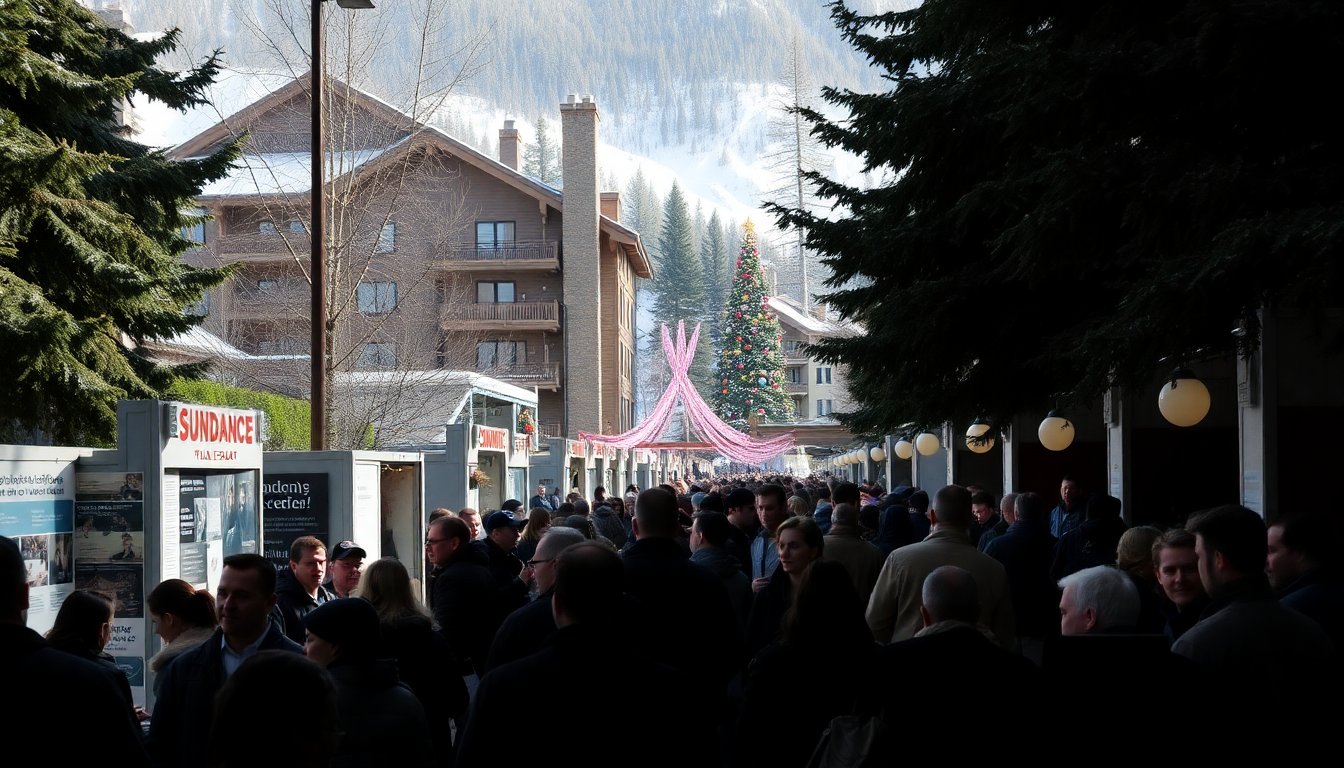
As of 2026, the festival stands at a pivotal moment. Set against the picturesque backdrop of Park City, Utah, the winter wonderland that hosts Sundance now symbolizes its evolving identity. The original spirit of independent filmmaking appears to be waning amid a rise in mainstream talent and corporate sponsorships. Once synonymous with gritty indie films, the festival now features productions with A-list stars, prompting questions about the authenticity of its initial mission.
Despite the glamorous atmosphere, many filmmakers at Sundance express concerns regarding the future of their craft. The increasing presence of artificial intelligence in creative fields has left some feeling disenfranchised, as they confront the implications of automation on their artistic pursuits. Actor Peter Dinklage urged his peers to shift their narratives, asserting that a defeatist mindset does not benefit the next generation of filmmakers. He encouraged them to trust their instincts instead of succumbing to fear.
Political activism at Sundance
The festival’s concluding days in 2026 were marked by escalating political tensions. Following the tragic death of Alex Pretti at the hands of ICE agents, filmmakers and attendees confronted pressing societal issues. The incident sparked a wave of activism at the festival, with stars like Olivia Wilde and Natalie Portman donning “ICE Out” pins to symbolize their opposition to the agency’s actions. Wilde’s bold statement highlighted the festival’s potential for collective resistance against oppression.
As the weekend progressed, the film community appeared united in its condemnation of tyranny. Giancarlo Esposito called for a revolution, capturing the palpable anxiety within the industry. Meanwhile, the directors of the beloved film Little Miss Sunshine echoed sentiments of rebellion, hoping their work would inspire audiences to challenge authority.
A new era of free expression
In response to these events, the festival transformed into a platform for artists to voice their frustrations and aspirations for change. Attendees participated in protests, embodying the essence of free speech, which feels increasingly threatened in contemporary America. Actor Ethan Hawke articulated this sentiment, expressing his fears of censorship and its chilling effects on personal expression.
Even the media faced obstacles, as Variety’s TikTok account experienced a shadowban during the festival, coinciding with a broader trend of content suppression related to criticisms of ICE. This incident underscored the precarious position of both artists and journalists in an environment where their voices are often stifled.
Redford’s enduring influence
Throughout his career, Redford has consistently championed storytelling as a means of fostering empathy and understanding. In a 2018 blog post, he expressed disillusionment with a divided nation, yet urged readers to rise above political discord. He advocated for unity and justice, emphasizing that every citizen has a role to play in shaping America’s future.
In many respects, the Sundance Film Festival embodies Redford’s vision: a space where creativity thrives and voices can be cultivated. As activists and artists unite in Park City, they exemplify the transformative power of art in challenging injustices and advocating for change. The legacy of Sundance continues to inspire new generations, reminding us all that we possess the power to envision a better world.