
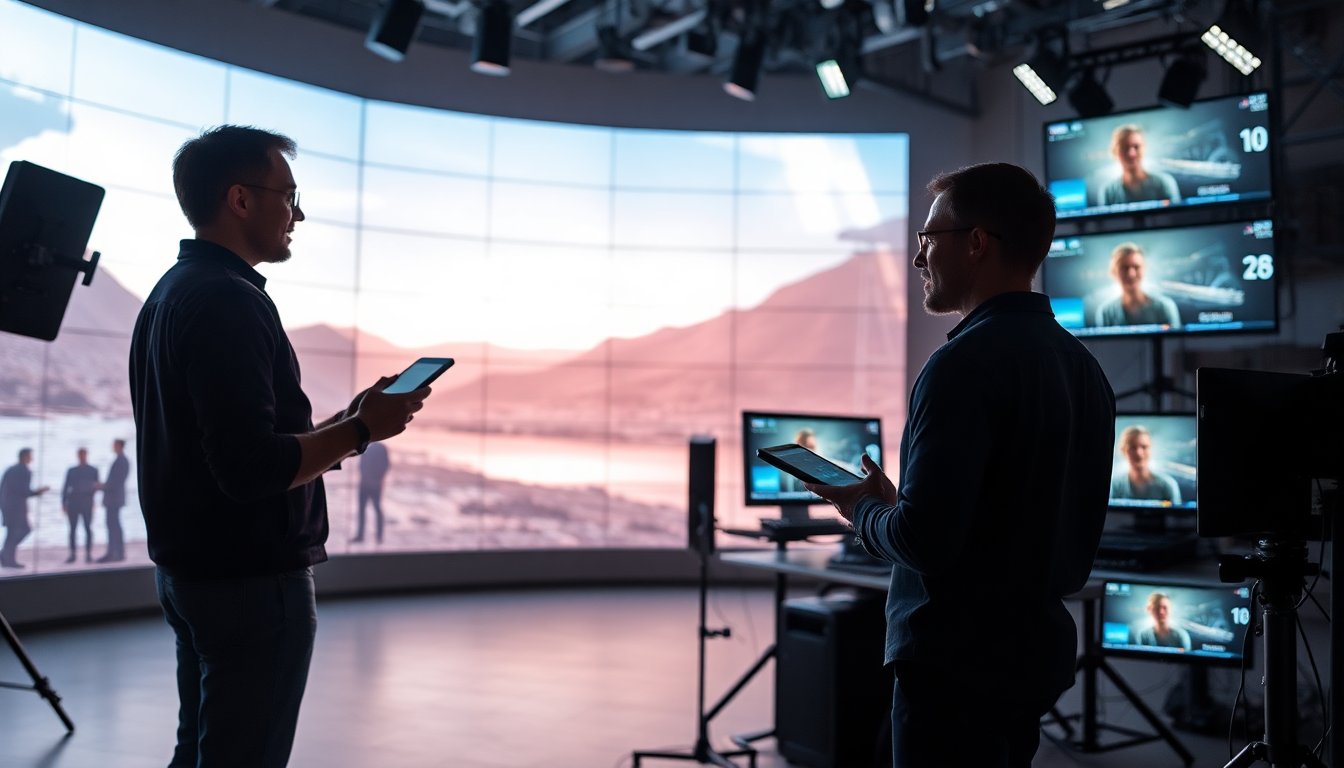
The rise of AI actors in Hollywood
In the fast-evolving landscape of Hollywood, the emergence of AI actors has sparked intense debate among industry professionals. The introduction of Tilly Norwood, an AI-generated actress created by Particle6, has gained significant traction. This development raises questions about the future of acting and the ethical implications of integrating artificial intelligence into creative realms.
The inception of AI characters
The journey of Tilly Norwood began with her creator, Eline van der Velden, who envisioned a digital performer capable of engaging audiences in innovative ways. During a recent panel discussion in Zurich, Van der Velden announced that Tilly was poised to sign with an agency. This news sparked a whirlwind of reactions from actors, unions, and fans alike. Many expressed concerns regarding the potential implications for human actors, fearing that technology might encroach upon their roles.
Despite the backlash, Eline van der Velden remains steadfast in her belief that AI technology is not merely a fleeting trend. She advocates for performers to embrace this innovation. By encouraging actors to create their own AI avatars, van der Velden emphasizes the potential for collaboration between human creativity and technological advancement. Rather than viewing AI as a threat, she argues that it can empower actors, allowing them to explore new dimensions of performance.
AI as a tool for creativity
The emergence of AI actors like Tilly reflects a broader trend in the entertainment industry. This innovation is not a standalone development; it thrives on the synergy between human creativity and advanced technology. Eline van der Velden highlights that Tilly’s unique personality, humor, and style are the result of a dedicated team of creative professionals. She views AI as a canvas for artists, enabling them to enhance their storytelling abilities while preserving the core of traditional acting.
Furthermore, the potential for AI actors goes beyond simply mimicking human performances. These digital personas can serve as an extension of an actor’s identity or as entirely new characters that break free from physical constraints. This adaptability allows creators to explore roles that may be unfeasible or impractical in real life. Performance capture technology plays a crucial role here, enabling actors to breathe life into these AI characters and creating a seamless connection between their physical presence and the digital world.
The ethical considerations of AI in acting
The discussion around AI actors is growing, raising important ethical questions. Central to this debate are issues of ownership and the rights of performers. Van der Velden asserts that actors should retain control over their AI-generated creations. This model mirrors how writers keep rights to their scripts and musicians to their recordings. Such an approach not only safeguards the creative rights of actors but also empowers them to explore new career opportunities.
Creating a new paradigm for performance
The traditional demands of acting can be strenuous, often requiring actors to push their physical and mental limits. The emergence of AI actors presents an ethical alternative, enabling performers to engage with their craft while safeguarding their well-being. By integrating AI, the industry can prioritize the health and personal lives of actors, leading to a more inclusive and sustainable environment.
For example, AI technology facilitates remote collaborations, allowing actors to contribute to high-quality productions from home. This approach not only improves work-life balance but also encourages a more diverse talent pool to enter the industry. The potential is significant, as hybrid productions could incorporate AI elements in rehearsal spaces and minimalist sets, highlighting the creativity of performers in innovative ways.
The future landscape of AI in Hollywood
The film industry is currently navigating the implications of AI actors. Performers must adapt to these changes rather than resist them. By embracing technology, they can reskill and explore the vast potential of AI. This transformative period offers a unique opportunity for growth, benefiting both actors and the broader creative community.
The emergence of AI actors like Tilly Norwood highlights a complex relationship between traditional performers and new technology. Recognizing the potential for collaboration is critical. As the industry delves into the ethical dimensions of AI in acting, it can pave the way for innovative storytelling. Moving forward, fostering an environment that values both human and AI contributions will enrich the narrative landscape of Hollywood.


