
Table of Contents
Political prisoners in Venezuela: a grim reality
The political climate in Venezuela continues to attract global scrutiny, especially concerning the treatment of individuals opposing President Nicolás Maduro. Recently, a small number of political prisoners were released from the notorious Helicoide detention center. Their accounts reveal a disturbing reality faced by many detainees, highlighting the brutality and human rights violations prevalent within this facility.
Inside Helicoide: A portrait of despair
Helicoide, a shopping mall that has transformed into a prison, is now a symbol of the systematic abuse faced by political dissenters. Reports reveal that this facility functions as a torture chamber, where detainees endure inhumane conditions, often involving both physical and psychological torture. Those who have survived recount their experiences as a living nightmare, with fear and despair being their constant companions.
Conditions of confinement
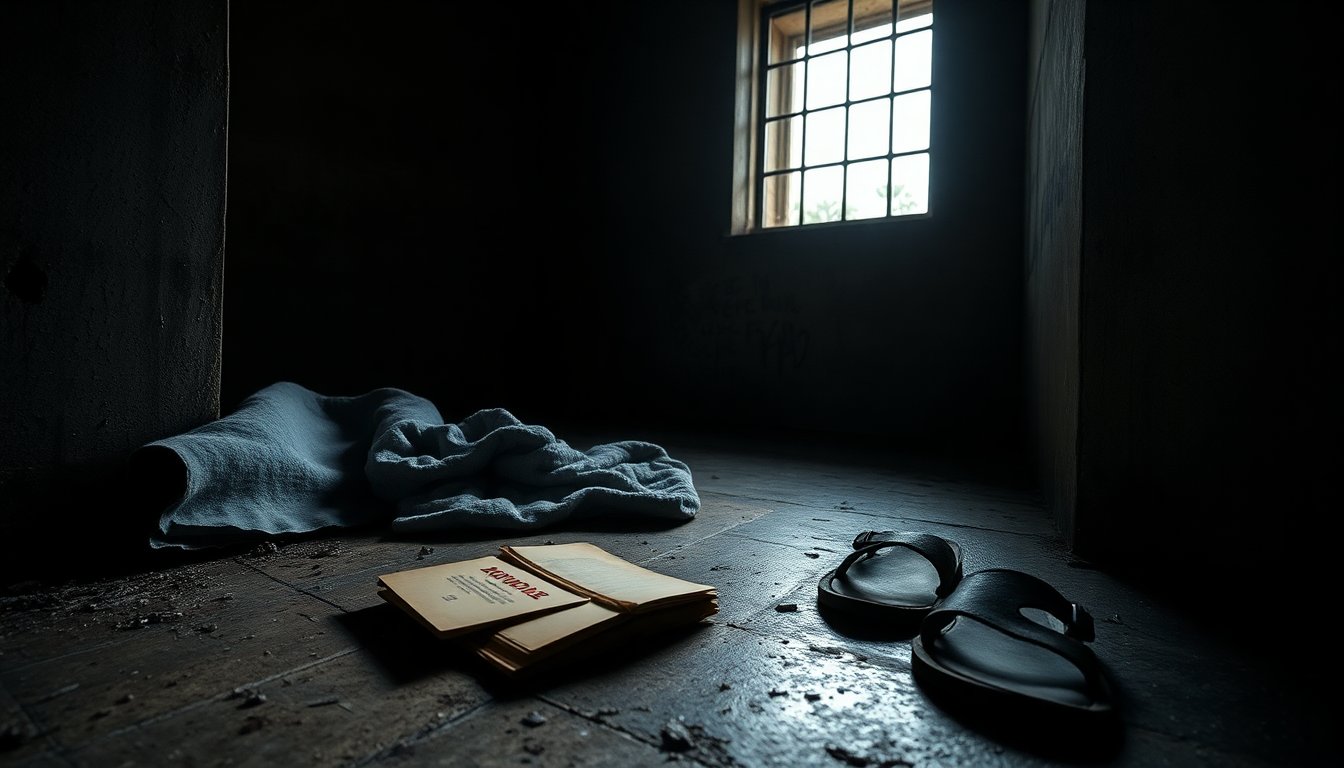
Upon entering Helicoide, individuals often face a severe loss of dignity. They are placed in overcrowded cells with limited access to basic necessities. The insufficient sanitation and inadequate food supplies exacerbate the suffering of those imprisoned. Many former prisoners have shared accounts of being forced to share cramped spaces with dozens of others, creating an environment filled with tension and desperation. The pervasive stench of uncleanliness and the cries of fellow inmates become a part of their daily reality.
Torture and psychological manipulation
The torture methods used at Helicoide are deeply concerning. Former inmates have described experiences of severe beatings, electric shocks, and psychological tactics aimed at breaking their spirit. Authorities utilize these methods not only to punish dissenters but also to instill fear across the broader population. Testimonies from survivors reveal a systematic effort to silence any opposition to the regime.
Voices of the survivors
As global awareness grows regarding the atrocities in Helicoide, the voices of survivors gain increasing importance. Each narrative underscores the resilience of the human spirit against oppression. For many former prisoners, escaping Helicoide marks the start of a lengthy journey toward healing and justice.
Post-release challenges
After their release, many former detainees encounter numerous difficulties. The psychological impact of their experiences often persists long after they regain their freedom. Support systems frequently fall short, leaving survivors to confront their trauma in isolation. Moreover, there is a widespread fear of re-arrest or retaliation from the state, which can hinder their willingness to speak out. Many survivors hesitate to share their stories publicly, concerned that the regime’s retribution could strike at any moment.
International response and advocacy efforts
The international community has increasingly acknowledged the critical situation in Venezuela. Human rights organizations are demanding accountability and an end to the abuses occurring in facilities like Helicoide. Advocacy groups are urging governments worldwide to exert pressure on Maduro’s regime, highlighting the necessity for stringent measures to safeguard human rights in the country. As these initiatives gain traction, the hope for reform and justice persists.
The need for awareness and action
The issue of political imprisonment in Venezuela represents a significant concern for human rights. Reports from Helicoide highlight the extreme measures that authoritarian regimes employ to silence dissent. As former inmates continue to share their experiences, it is crucial for the international community to heed their calls for justice. The struggle for human rights in Venezuela persists, and the narratives of those affected must be brought to the forefront.
The situation of political prisoners under the Maduro regime illustrates a grave infringement on human rights. This serves as a rallying cry for all who cherish freedom and dignity, urging solidarity with those enduring suffering in silence.