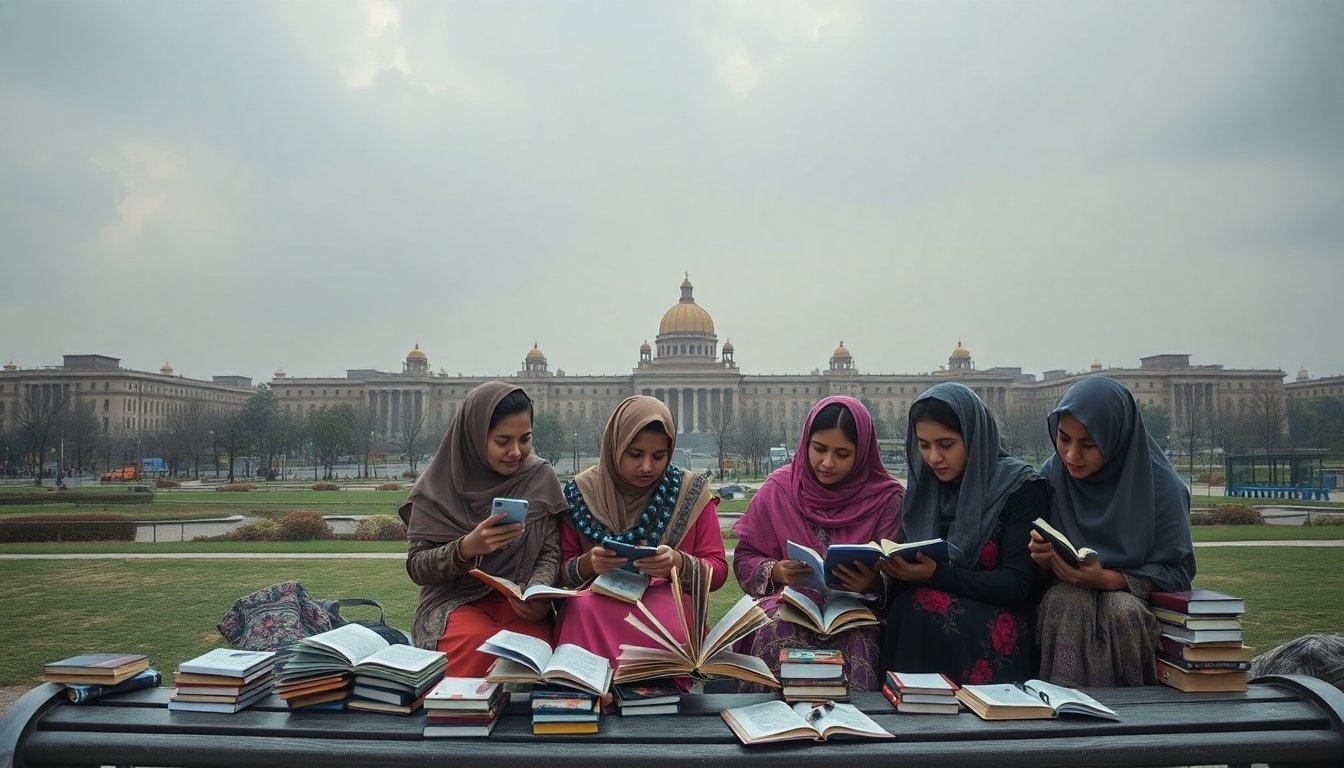
Recent events in Afghanistan have led to a significant disruption of internet access, raising concerns about the potential repercussions for both the population and the ruling authorities. The blackout has particularly affected Afghan women striving to pursue their educational aspirations, while also posing challenges for Taliban officials attempting to govern the nation effectively.
The availability of the internet has often served as a vital resource, facilitating communication, education, and access to information. However, the sudden suspension of this service has overshadowed the progress made in recent years, especially in the realm of women’s rights and education.
The impact on women’s education
In Afghanistan, the internet has become a crucial tool for women seeking to further their education and gain knowledge. With many educational institutions transitioning to online platforms, the loss of internet connectivity has left countless women stranded, unable to access lessons or resources. This setback not only affects individual aspirations but also threatens the broader goal of gender equality in education.
The Taliban’s strict regulations and traditional views towards women’s education have already created significant barriers. The additional hurdle of an internet blackout exacerbates the situation, limiting women’s ability to engage in online courses, communicate with peers, and utilize educational resources. As a result, a generation of women risks being deprived of opportunities essential for their personal and professional growth.
Struggling for survival
Without reliable internet, Afghan women face formidable challenges in navigating their educational journeys. Many have turned to social media and online forums as platforms for learning and sharing knowledge. The sudden unavailability of these resources leaves them vulnerable and isolated. The internet has served as a lifeline, empowering women to connect with mentors, access educational materials, and participate in discussions that enrich their understanding.
Moreover, the internet has played an instrumental role in facilitating grassroots movements advocating for women’s rights. The loss of this platform undermines their efforts to mobilize and raise awareness about critical issues affecting their lives. Consequently, the blackout poses a dual threat: it restricts access to education while simultaneously stifling the voices of those fighting for change.
Challenges for Taliban governance
The Taliban’s ability to maintain control over Afghanistan is also compromised by the internet shutdown. The organization relies on digital communication for coordination and governance, making the absence of this tool a significant obstacle. The lack of internet access hinders their capacity to disseminate information, manage resources, and engage with the public.
As the ruling authority, the Taliban faces the ongoing challenge of governing a diverse and fragmented society. The internet serves as a bridge connecting various communities, and its absence can lead to increased discontent among the population. The Taliban’s struggle to operate effectively without this vital infrastructure may result in a governance crisis, further complicating their efforts to stabilize the country.
Public response and international implications
The reaction from the Afghan populace regarding the internet blackout has been one of frustration and concern. Many citizens view the loss of connectivity as a violation of their fundamental rights, reflecting broader issues related to freedom of speech and access to information. This situation has the potential to ignite protests and dissent, as individuals seek to reclaim their right to communicate and access knowledge.
Internationally, the implications of the internet blackout are significant. Global observers and human rights organizations are closely monitoring the situation, highlighting the need for accountability regarding the treatment of women and the general populace under Taliban rule. The internet outage not only affects local dynamics but also shapes the narrative surrounding Afghanistan on the world stage.
Future outlook
The availability of the internet has often served as a vital resource, facilitating communication, education, and access to information. However, the sudden suspension of this service has overshadowed the progress made in recent years, especially in the realm of women’s rights and education.0