
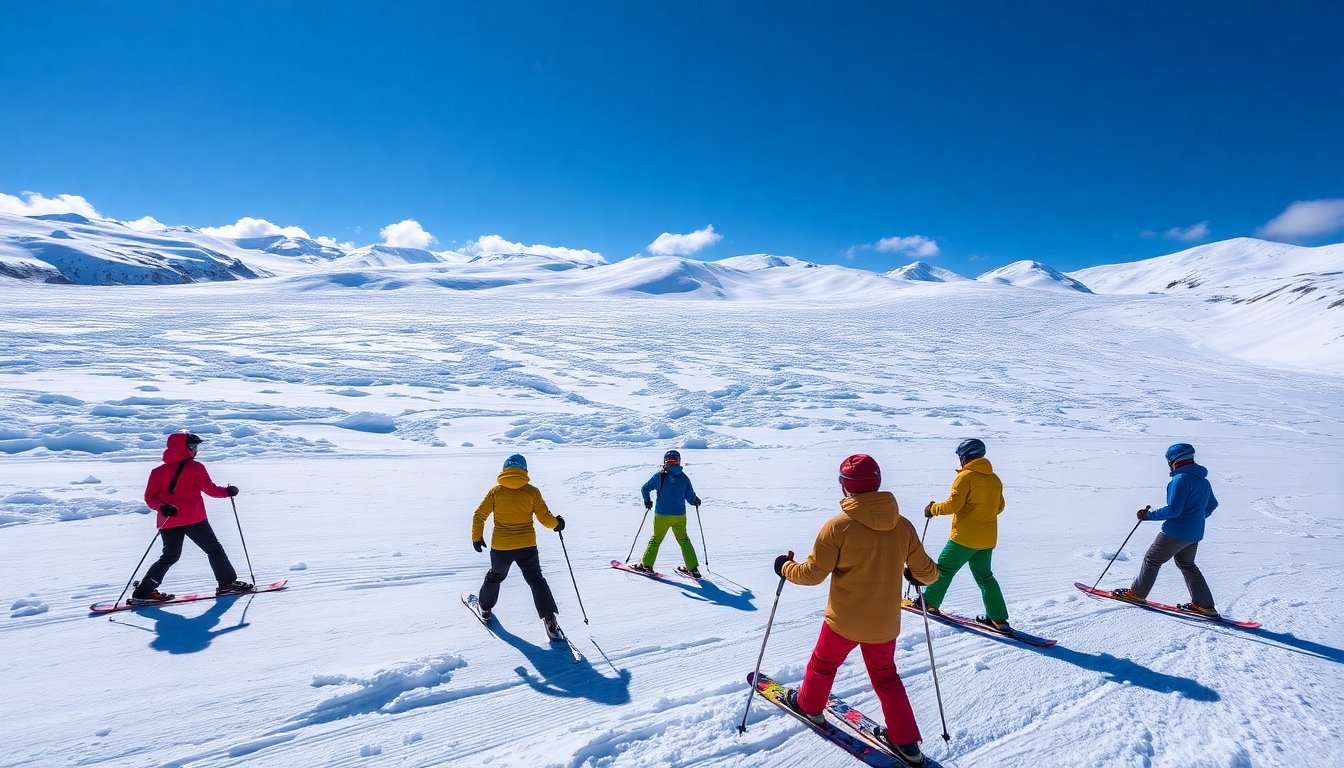
The world of winter sports faces a significant challenge as it confronts the realities of climate change. Rising global temperatures threaten the very essence of these sports—snow and ice. This impact is particularly evident at renowned training sites like Whistler Blackcomb’s Horstman Glacier.
For over two decades, young athletes have trained on this glacier through summer camps known as Momentum Camps. These camps have nurtured talent and enthusiasm for winter sports, providing opportunities for participants to learn from elite athletes, including Olympic champions like Mikaël Kingsbury. However, with the glacier’s rapid melting, the future of these camps is uncertain, presenting formidable challenges for both training and competition.
The consequences of glacier melt
The cessation of summer skiing and snowboarding on Horstman Glacier, deemed unsafe for operations in, exemplifies a broader trend linked to the escalating climate crisis. As the glacier deteriorates, many top athletes are compelled to seek training in Europe, resulting in additional costs and logistical hurdles.
Peter Judge, CEO of Freestyle Ski Canada, underscores the daily challenges athletes encounter in this evolving landscape. A study by the International Olympic Committee indicates concerning trends: only half of the previous Winter Olympic host cities are expected to remain viable for future events by the 2050s due to altered climatic conditions. This poses a serious issue for athletes who rely on consistent training environments.
Changing competition landscapes
Winter sports competitions are increasingly affected by climate change, with a rise in cancellations and adjustments to events. Competitions that once guaranteed snow cover now depend heavily on unpredictable weather patterns, complicating planning for organizers and athletes alike. Judge notes, “The reliability of early season events is increasingly uncertain, transforming what was once a surety into a question mark.”
Exploring solutions for sustainability
In response to these challenges, the winter sports community is prioritizing discussions on sustainable practices and solutions. Initiatives are underway to explore alternatives that could mitigate the impact of climate change on winter sports. John Smart, a two-time Olympian and founder of Momentum Camps, is advocating for innovative methods such as snow farming and advanced snowmaking operations, which aim to preserve snow on the glacier during warmer months.
Snow farming involves managing and covering snow to maintain its presence throughout summer, while elevated snowmaking adapts to changing weather conditions. Smart believes these methods, despite requiring investment, could ensure the long-term viability of summer training and safeguard the legacy of winter sports. He states, “The grassroots programs are what we stand to lose the most if we do not find a way to adapt.”
Collaborative efforts and responsibilities
The responsibility to tackle these challenges extends beyond the winter sports community. Climate change is a global issue necessitating action from governments and organizations worldwide, as emphasized at events like the UN Climate Conference. Canadian officials, including Adam van Koeverden, Secretary of Sport, recognize the potential consequences for winter sports and are engaging with climate advocacy groups to identify collaborative solutions.
Van Koeverden highlights the dual responsibility to preserve beloved winter sports while reducing carbon footprints. “It’s about coexistence,” he notes, acknowledging the need for sustainable practices that ensure future generations can enjoy winter sports. The balance between maintaining sporting traditions and protecting the environment is a critical challenge that the community must confront.
As winter sports navigate the uncertainties imposed by climate change, the emphasis must shift towards sustainable practices, adaptive strategies, and collaborative efforts. The future of winter sports depends on a collective response to these pressing challenges, ensuring that athletes can continue to train and compete in a world increasingly affected by climate change.


